
Why Ignoring Small Repairs Turns Into Big Bills

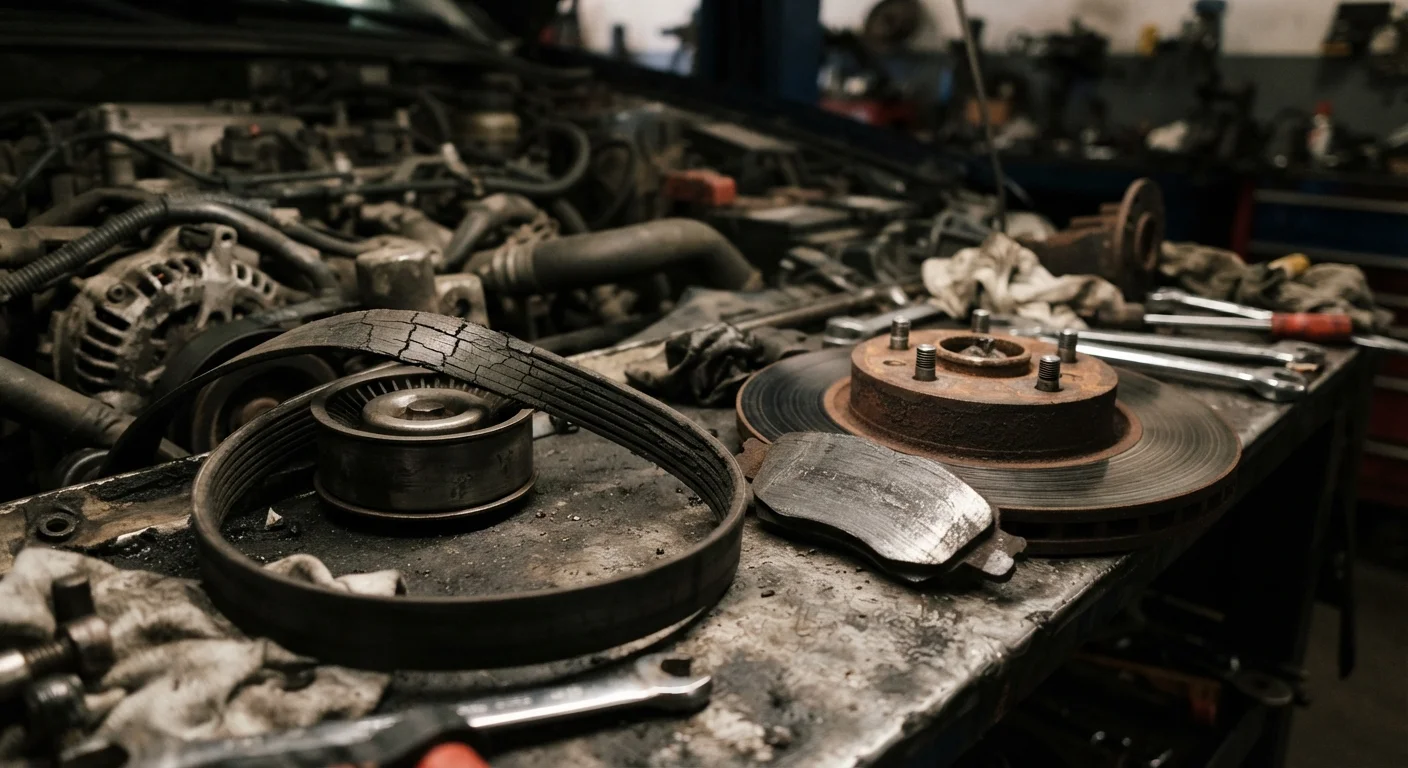
Photo: InsightsBlock.com | Access Information With Ease editorial
Key Takeaways
- Minor car repairs left unaddressed routinely multiply into repairs costing several times more.
- Deferred maintenance accelerates wear on surrounding components, compounding repair bills quickly.
- Routine inspections catch cascade failures before they reach the expensive stage.
- Budgeting for small fixes proactively is almost always cheaper than emergency repairs.
The Real Cost of Putting Repairs Off
It's tempting to treat a minor warning light or a faint squeal from the brakes as something you'll deal with next month. For most drivers, that delay feels like a money-saving move. In reality, it's usually the opposite. Automotive systems are interdependent - one failing component stresses adjacent parts, and what began as a $150 fix can silently grow into a $900 repair or worse.
Understanding why deferred maintenance is so financially costly is the foundation of smarter car ownership budgeting. For a broader look at the hidden expenses of owning a vehicle, see our guide on keeping car costs in check over the long haul.
Ignoring brake noise until pads wear through to metal.
Delaying an oil change past the recommended interval.
Driving on a slow coolant leak without repair.
Postponing a worn serpentine belt replacement.
Ignoring a check engine light that seems unrelated to performance.
How Neglect Compounds: Patterns Every Driver Should Recognize
The mistakes listed above follow a consistent pattern: a small, inexpensive symptom is dismissed until a second or third system fails. Mechanics and automotive engineers refer to this as a cascade failure - each neglected part increases the load or contamination experienced by neighboring components.
3-4×
Cost multiplier of deferred vs. timely repairs
Industry repair data consistently shows that allowing minor mechanical issues to progress to component failure multiplies total repair costs by a factor of three to four or more.
$1,200+
Typical cost of a head gasket repair
A head gasket failure - frequently traceable to an unresolved coolant leak or persistent overheating - typically costs over $1,200 in parts and labor at a professional shop.
Drivers often assume that because a car is still running, the problem must not be serious. That assumption is one of the most expensive in automotive ownership. A leaking coolant hose, for example, may not cause immediate drivability issues but can allow the engine to run marginally hot for weeks, silently accelerating head gasket wear. By the time the car overheats visibly, the repair bill has grown dramatically.
It's also worth questioning the advice you've received about maintenance intervals and priorities. Many persistent misconceptions lead drivers to skip genuinely important services. Our editorial team breaks down the facts in car maintenance myths that keep costing drivers money.
Don't Rely on 'It Still Drives Fine'
The practical takeaway: treat your vehicle's warning signals - auditory, visual, or tactile - as early-stage billing notices, not nuisances. Addressing them promptly is nearly always the lower-cost path. For a full framework of car maintenance habits that protect your investment, explore our topic hub.
The content provided on our blog site traverses numerous categories, offering readers valuable and practical information. Readers can use the editorial team’s research and data to gain more insights into their topics of interest. However, they are requested not to treat the articles as conclusive. The website team cannot be held responsible for differences in data or inaccuracies found across other platforms. Please also note that the site might also miss out on various schemes and offers available that the readers may find more beneficial than the ones we cover.