
Caulk, Spackle, or Wood Filler: Picking the Right Gap-Fixer for Every Surface

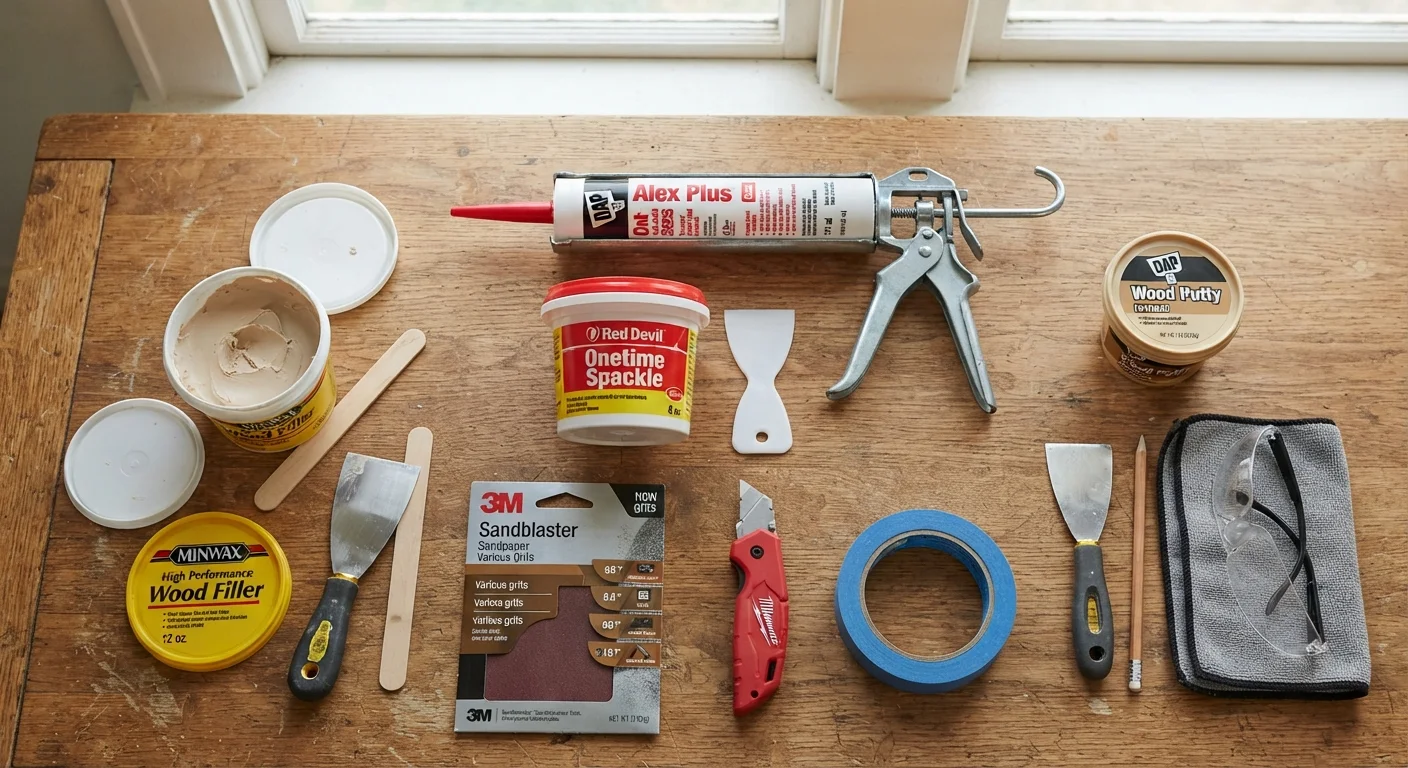
Photo: InsightsBlock.com | Access Information With Ease editorial
Key Takeaways
- Caulk is best for flexible joints between dissimilar materials, like where trim meets a wall.
- Spackle is designed for small drywall and plaster repairs - not wood or wet surfaces.
- Wood filler is formulated to bond with wood grain and can be sanded, stained, or painted.
- Using the wrong product often leads to cracks, adhesion failure, or a poor finish.
- Surface type, moisture exposure, and paint finish all influence which product to choose.
Why Choosing the Right Filler Actually Matters
Walk down any hardware store aisle and you'll find dozens of tubes, tubs, and cartridges all promising to fill gaps and holes. But caulk, spackle, and wood filler are engineered for fundamentally different jobs - and using the wrong one typically means the repair fails, usually at an inconvenient time.
The core issue is compatibility: adhesion, flexibility, and how a material responds to moisture or movement. A joint that expands and contracts seasonally needs a product that flexes. A drywall ding needs something lightweight that won't shrink away from the surface. A damaged wood stair nose needs a filler that bonds to wood fiber, accepts stain, and won't crumble under foot traffic.
Getting this decision right upfront saves time, avoids rework, and produces a finish that holds. For wall-mounting projects where surface integrity matters, see our guide on drywall anchors vs. studs for related surface advice.
Caulk: The Go-To for Joints That Move
Caulk is a flexible sealant applied between two surfaces that are joined but not rigidly bonded - think baseboards meeting a wall, tile meeting a tub surround, or a window frame meeting siding. Its key property is elasticity: it stretches and compresses as materials expand and contract with temperature and humidity.
Types to Know
- Latex (acrylic) caulk: Paintable, easy to clean up with water, and suitable for interior trim and small gaps. Not ideal for areas with sustained moisture exposure.
- Silicone caulk: Waterproof and highly flexible, making it the standard choice for bathrooms and kitchens. Harder to paint over without a specialty primer.
- Siliconized latex: A hybrid that combines paintability with improved water resistance - a practical middle ground for many interior applications.
Caulk is the wrong choice for filling nail holes in drywall or repairing damaged wood - it won't sand cleanly and won't hold paint or stain the same way purpose-made fillers do. If you're planning a bathroom project, our bathtub recaulking prep guide covers surface preparation in detail.
| Caulk | Spackle | Wood Filler | |
|---|---|---|---|
| Primary surface | Joints between materials | Drywall and plaster | Wood substrates |
| Flexibility | High - designed to flex | None - rigid when dry | Low to none |
| Moisture resistance | High (silicone); moderate (latex) | Low - absorbs moisture | Varies by formula |
| Sandable | No - smears | Yes - sands smoothly | Yes - sands flush |
| Paintable | Yes (latex); limited (silicone) | Yes | Yes |
| Stainable | No | No | Yes (stainable formulas) |
| Exterior use | Yes (exterior-rated caulk) | No | Yes (epoxy formulas) |
| Drying time | 1-24 hours (varies) | 30 min-2 hours | 30 min-2 hours |
Spackle: Built for Drywall, Not Much Else
Spackle - sometimes called spackling compound - is a lightweight, water-based paste formulated specifically for repairing drywall and plaster. It adheres well to gypsum-based surfaces, dries relatively fast, and sands smooth with minimal effort.
Lightweight spackle is well-suited for small holes (think nail pops, picture hooks, and minor dents). For larger repairs - say, a hole bigger than a few inches - a setting-type joint compound or a drywall patch kit is generally more appropriate, since spackle can shrink and crack when applied in thick layers.
Prime Before You Paint Over Spackle
Where spackle doesn't belong: It has poor adhesion to wood, no flexibility, and will absorb moisture - making it a poor choice for bathrooms, exterior surfaces, or any wood substrate. If you try to use it on wood trim, expect cracking and adhesion failure once the wood moves.
Wood Filler: The Right Tool for Wood Repairs
Wood filler is engineered to bond with wood fibers, making it the correct choice for repairing gouges, cracks, chips, and holes in trim, furniture, floors, and structural wood. Unlike spackle, quality wood fillers can be sanded flush, accept stain (stainable formulas), and hold up under the stress that wood surfaces typically face.
Key Distinctions
- Solvent-based wood filler: Dries hard and fast, sandable, and often stainable. Strong odor - ensure good ventilation.
- Water-based wood filler: Lower odor, easier cleanup, and suitable for most interior wood repairs. May raise grain slightly after sanding.
- Epoxy wood filler (two-part): Extremely durable and weather-resistant - preferred for exterior repairs, rotted wood consolidation, or high-traffic areas. Requires mixing before application.
Wood filler is not a substitute for structural repair. If a wood member is compromised - a rotted joist, a cracked load-bearing post - a licensed contractor or structural assessment is the appropriate next step, not filler.
Matching Product to Surface: A Practical Decision Guide
The questions to ask before opening any container: What material am I filling? Will this surface be exposed to moisture? Does the joint move? Will I be painting or staining over it?
3-5 years
Typical lifespan of latex caulk in wet areas
Industry guidance generally suggests bathroom caulk be inspected and replaced every few years, depending on use and ventilation conditions.
~1/4 inch
Maximum depth for single-pass spackle application
Most manufacturers recommend applying spackle in thin layers no deeper than about a quarter inch to prevent shrinkage cracking as it dries.
- Baseboard meeting wall: Paintable latex or siliconized latex caulk - the joint flexes seasonally.
- Nail holes in drywall: Lightweight spackle - fast, sandable, and made for this exact task.
- Scratched or gouged wood trim: Stainable wood filler - bonds to wood, accepts finish.
- Tub-to-tile seam: Silicone caulk - the only type that reliably handles sustained water exposure.
- Exterior wood window sill: Epoxy wood filler or a paintable exterior wood repair compound - must handle UV, moisture, and temperature swings.
- Hole in plaster wall: Setting-type compound or lightweight spackle for smaller voids, with proper priming before painting.
When in doubt, read the product label carefully. Manufacturers specify appropriate substrates, temperature ranges, and paint compatibility - information that's easy to overlook but directly affects how the repair holds up.
The content provided on our blog site traverses numerous categories, offering readers valuable and practical information. Readers can use the editorial team’s research and data to gain more insights into their topics of interest. However, they are requested not to treat the articles as conclusive. The website team cannot be held responsible for differences in data or inaccuracies found across other platforms. Please also note that the site might also miss out on various schemes and offers available that the readers may find more beneficial than the ones we cover.