
Building a Weekly Exercise Schedule That Fits Real Life

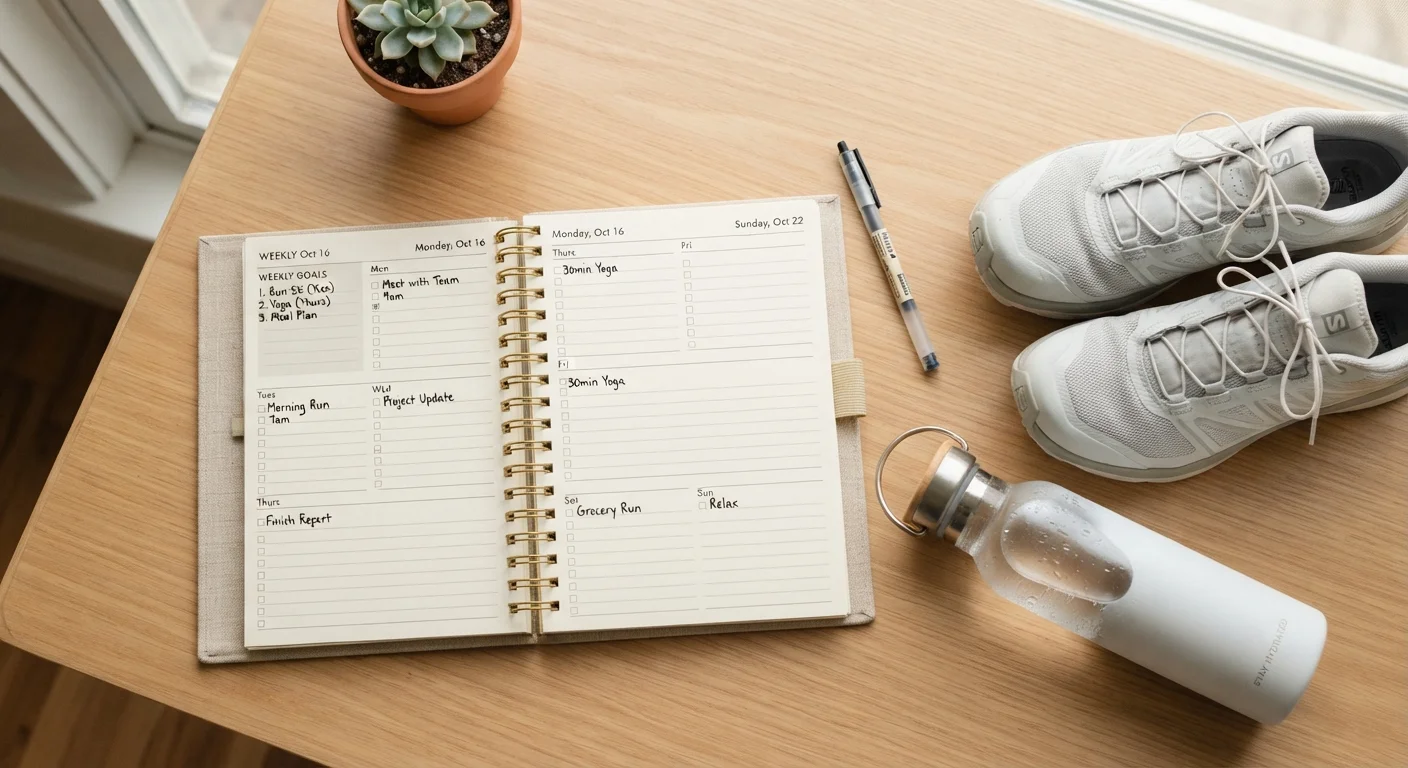
Photo: InsightsBlock.com | Access Information With Ease editorial
Key Takeaways
- Most adults benefit from aiming for 150 minutes of moderate activity spread across the week.
- Matching workout types to your natural energy patterns improves consistency over willpower alone.
- Rest and recovery days are essential parts of a well-designed exercise schedule.
- Short movement sessions on busy days count - consistency matters more than perfection.
- Building a schedule around real constraints makes it far more sustainable long-term.
Why Most Exercise Schedules Don't Survive Contact With Real Life
The gap between a fitness plan and a fitness habit usually comes down to one thing: the plan was designed for an ideal week that doesn't actually exist. Many people build schedules based on motivation - how they feel at the start of a new month or after a health scare - rather than on the rhythms and constraints of their actual days.
A realistic exercise schedule accounts for energy variation, competing obligations, and the likelihood of disruption. It's designed to be good enough consistently rather than perfect occasionally. That shift in thinking is what separates a routine that sticks from one that doesn't. If you've struggled before, why fitness routines fall apart every few weeks is worth reading alongside this guide.
Check With a Professional First
What a Balanced Week of Movement Can Look Like
A well-structured week of exercise typically includes three elements: cardiovascular activity (anything that raises your heart rate sustainably), strength or resistance work (bodyweight exercises, resistance bands, or weights), and mobility or recovery (stretching, yoga, walking). These don't need to be long or complicated - the goal is variety and balance across the week, not exhaustion.
For example, a realistic week might include two moderate cardio sessions, one strength session, and two lighter movement days with walking or stretching. That's five active days with two for rest - achievable for most people, and aligned with general health guidance without requiring a gym membership or extensive free time. Comparing rucking, walking, and running can help you identify which cardio format fits your lifestyle. For those curious about home-based options, what actually works with home workouts offers a grounded look at flexibility and pitfalls.
Consistency Beats Intensity Every Time
How to Build Your Schedule Step by Step
The following steps walk you through creating a weekly exercise schedule that reflects your real availability, energy, and goals - not a hypothetical ideal. Work through them in order for the most useful result.
What you will need
Weekly planner or calendar app
Lets you visually map available time slots and assign movement types to specific days.
Fitness tracking app or wearable
Helps you monitor activity duration and variety over the week without relying on memory.
Timer or phone alarm
Useful for keeping shorter sessions structured, especially on busy days.
Audit your current week honestly
Before you plan anything, look at a typical week through a realistic lens. Note when you actually have 20-45 minutes available - not when you wish you did. Consider commute times, family commitments, work hours, and how your energy tends to shift across the day. Most people find two or three genuinely free windows per week once they map things out honestly.
Set a realistic activity target for the week
General public health guidance - including from the U.S. Department of Health and Human Services - suggests adults aim for around 150 minutes of moderate-intensity aerobic activity per week, plus muscle-strengthening activities on two or more days. That averages to roughly 30 minutes on five days, but it doesn't have to look that way. Three 50-minute sessions or five 30-minute sessions both meet the threshold. Choose a total that feels achievable given your current fitness and schedule, and build from there.
Match activity types to your energy patterns
Not all movement requires the same effort. High-intensity workouts - interval training, strength circuits, vigorous cardio - demand more recovery and are best placed on days when your energy is higher. Lower-intensity activities like walking, yoga, or light stretching work well on days when you're tired but still want to move. Think about which days of your week tend to feel energetic versus draining, and assign intensity accordingly.
Schedule at least one full rest day
Rest is not optional - it's when muscle repair and adaptation actually happen. Plan at least one complete rest day per week, and consider adding one or two lighter "active recovery" days with walking or gentle stretching. Skipping recovery is a frequent cause of fatigue, soreness, and eventual dropout. What happens physiologically on rest days is worth understanding before you cut them.
Write the schedule into your calendar
Treat your planned sessions the way you'd treat a meeting or appointment. Block the time in your calendar with a specific activity noted - "30-min walk" or "strength training at home" - rather than a vague "exercise" placeholder. Specificity reduces the mental friction of deciding what to do in the moment, which is when many people give up.
Build in a backup plan for busy days
Life interrupts every schedule. Rather than treating a missed session as a failure, have a shorter option ready. A 10-15 minute walk, a quick bodyweight circuit, or deliberate movement woven into your day all count. Movement snacks - short bursts of activity spread through the day - are a research-supported way to maintain activity on days when a full workout isn't happening.
Review and adjust at the end of each week
At the end of week one, spend five minutes reviewing what actually happened versus what you planned. Which sessions did you complete? Which did you skip, and why? Use that information to refine the following week's schedule - shifting session times, swapping activity types, or adjusting intensity. A schedule that gets tweaked based on real experience becomes progressively more realistic and more sustainable.
This article is for general informational and educational purposes only and does not constitute medical or professional fitness advice. Consult a qualified healthcare provider before beginning a new exercise program, particularly if you have any health conditions or concerns.
The content provided on our blog site traverses numerous categories, offering readers valuable and practical information. Readers can use the editorial team’s research and data to gain more insights into their topics of interest. However, they are requested not to treat the articles as conclusive. The website team cannot be held responsible for differences in data or inaccuracies found across other platforms. Please also note that the site might also miss out on various schemes and offers available that the readers may find more beneficial than the ones we cover.