
Why Grout Cracks Keep Coming Back (And What's Actually Causing It)

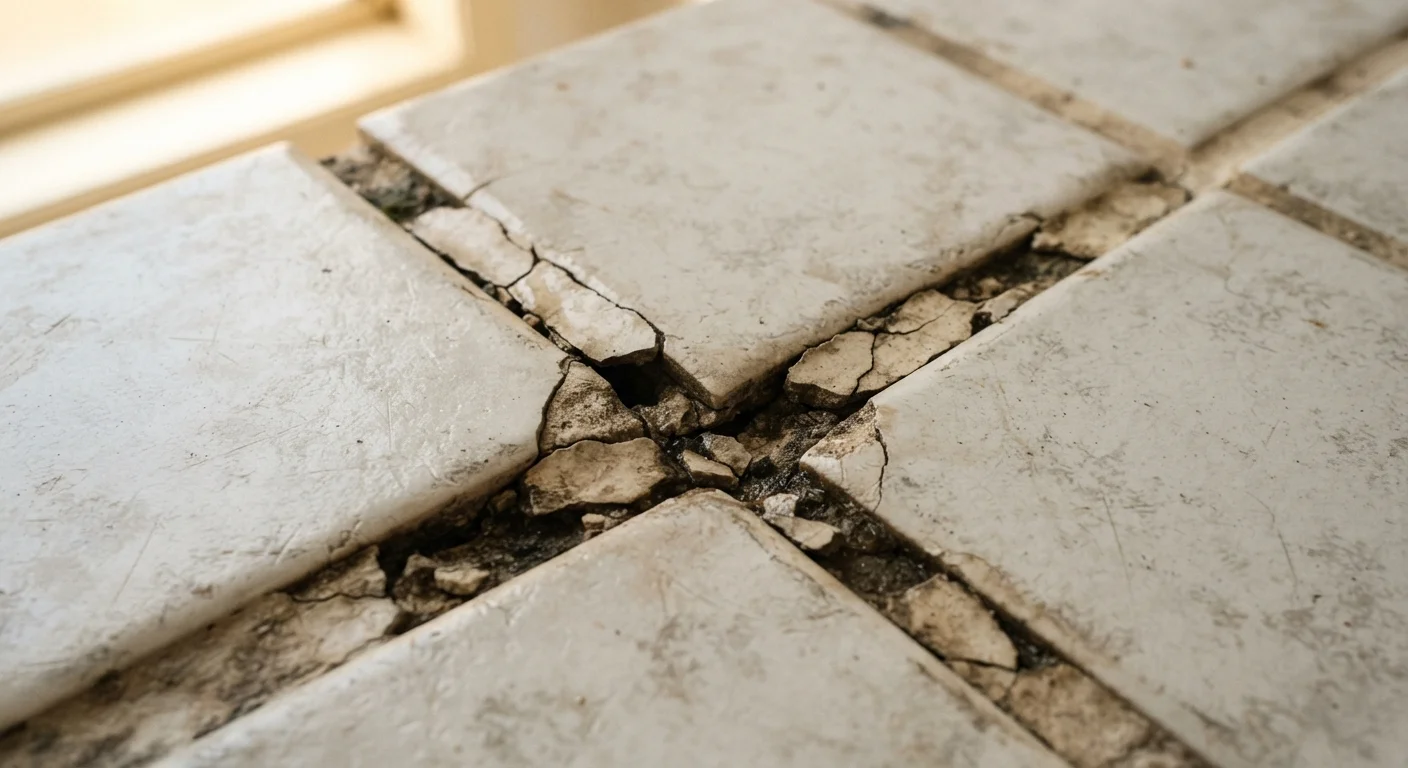
Photo: InsightsBlock.com | Access Information With Ease editorial
Key Takeaways
- Grout cracks that return after repair usually signal an underlying structural or installation problem.
- Substrate movement, improper mixing, and missing expansion joints are among the most common culprits.
- Fixing the surface without addressing the root cause will result in the same failure recurring within months.
- Some grout failures require a licensed tile contractor to diagnose and repair safely.
- Choosing the right grout type for the application significantly reduces the risk of future cracking.
The Real Reason Your Repaired Grout Keeps Failing
You've patched the cracked grout, cleaned up, and considered the job done - only to find the same lines cracking again a few months later. This cycle is one of the most frustrating problems homeowners face in tiled spaces, and the temptation is to blame the grout itself. In most cases, the grout is not the problem. It's a symptom.
Grout is a rigid, brittle material by design. It fills joints and keeps tiles aligned, but it has very limited ability to flex. When the structure beneath it shifts - even slightly - grout is the first thing to give way. Understanding what's actually driving the movement is the only way to stop the cycle for good.
Regrouting without identifying the root cause of the cracking.
Using sanded grout in narrow joints or unsanded grout in wide joints.
Mixing grout too wet or using inconsistent water ratios.
Grouting directly up to fixed surfaces without leaving a caulk joint.
Tiling over an insufficiently rigid or unprepared substrate.
Structural and Installation Factors That Drive Repeated Failure
Even when grout is applied correctly on the surface, problems hidden underneath can undermine the entire installation. Here are the most consequential factors to investigate before attempting any repair.
Substrate Flex and Subfloor Deflection
Floor tiles and grout perform best over a rigid, stable base. When a wood subfloor has too much bounce or deflection - meaning it flexes slightly underfoot - the tiles and grout above it experience repeated stress with every step. Building standards generally call for subfloor deflection to be no greater than L/360 (the span in inches divided by 360) for tile installations. If your floor feels springy or hollow in spots near cracked grout, subfloor stiffness is a likely factor worth assessing with a qualified contractor.
Thermal Expansion and Missing Expansion Joints
All building materials expand and contract with temperature changes. Tiled surfaces - particularly large floor areas, exterior applications, or spaces near heat sources - need expansion joints at regular intervals and at changes in plane (such as where the floor meets the wall). These joints, typically filled with flexible caulk rather than grout, accommodate natural movement. When they're absent or incorrectly placed, that stress has nowhere to go except into the grout lines.
Cracked Grout in Showers Is a Water Risk
Grout Applied Over Green Concrete
Concrete continues to cure and shrink for an extended period after it is poured - sometimes for weeks or months. Tiling over concrete that hasn't fully cured introduces movement into the system before the installation has even settled. This is a particularly common issue in new construction or after slab repairs.
Improper Thinset Coverage
If tiles are not fully bedded in thinset mortar - the adhesive layer between the tile and the substrate - they can flex individually rather than moving as a unified surface. Hollow spots under tiles allow independent tile movement, which telegraphs directly into the grout joints as cracking or popping.
When to Call a Professional
Some grout cracking is genuinely minor and can be addressed with careful surface repair. But certain patterns are signals that a more serious underlying condition exists:
- Diagonal cracks radiating from tile corners may indicate significant substrate movement or settlement.
- Cracking that follows a straight line across multiple tiles often points to a control joint issue or a crack in the substrate beneath.
- Tiles that are loose or sound hollow when tapped suggest thinset bond failure, which requires re-laying affected tiles - not just regrouting.
- Cracking in wet areas such as showers can allow water infiltration behind the tile assembly, potentially leading to mold or structural damage over time.
In these situations, a licensed tile installer or general contractor should evaluate the installation before any cosmetic repair is attempted. Regrouting over a structurally compromised surface is money spent twice.
This article is for general informational purposes only. For significant structural concerns or repairs involving waterproofing systems, consult a licensed contractor familiar with local building codes.
The content provided on our blog site traverses numerous categories, offering readers valuable and practical information. Readers can use the editorial team’s research and data to gain more insights into their topics of interest. However, they are requested not to treat the articles as conclusive. The website team cannot be held responsible for differences in data or inaccuracies found across other platforms. Please also note that the site might also miss out on various schemes and offers available that the readers may find more beneficial than the ones we cover.