
Feeding a Senior Dog: How Nutritional Needs Shift With Age

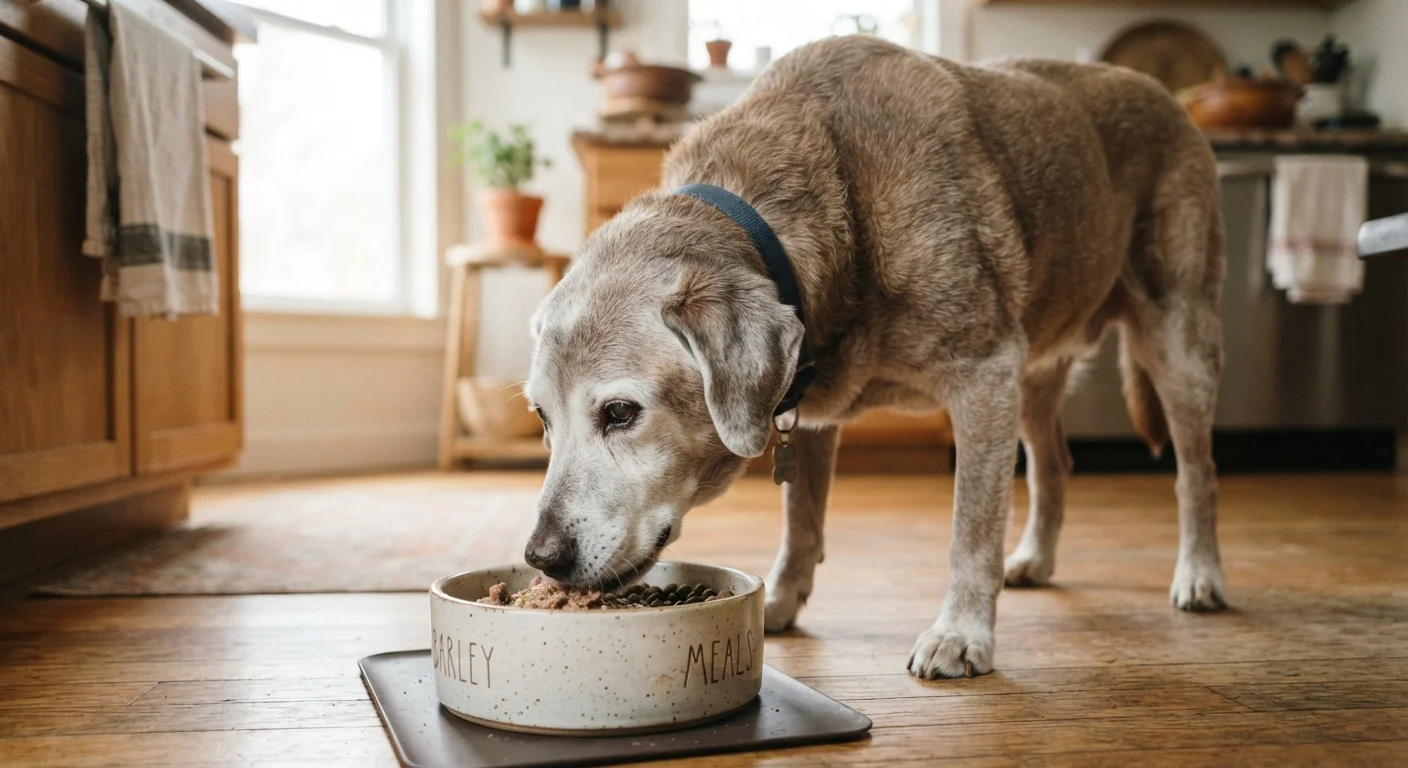
Photo: InsightsBlock.com | Access Information With Ease editorial
Key Takeaways
- Most dogs are considered senior between ages 7 and 10, depending on breed size.
- Senior dogs often need fewer calories but more protein to maintain muscle mass.
- Joint-supporting nutrients like omega-3 fatty acids may benefit older dogs.
- Digestive changes in senior dogs can affect how well they absorb nutrients.
- A veterinarian should guide any significant change to your senior dog's diet.
Why Age Changes What Your Dog Needs
Aging affects nearly every system involved in how a dog processes food - metabolism slows, organ function changes, muscle mass naturally declines, and the gut becomes less efficient at absorbing nutrients. These aren't hypothetical future concerns; they begin gradually in middle age and accelerate in the senior years.
The challenge for dog owners is that these changes don't always come with obvious early signals. A dog may appear healthy and maintain a normal appetite while quietly losing lean muscle mass or developing early-stage kidney changes that affect how they handle certain nutrients.
Understanding the biology of canine aging isn't about becoming an amateur nutritionist - it's about knowing what questions to ask your vet and what signs to watch for at home. The steps below walk through a practical approach to evaluating and adjusting your senior dog's diet.
What you will need
Step-by-Step: Adjusting Your Senior Dog's Diet
Follow these steps in order - starting with a clear picture of your dog's current health before making any changes to what or how much they eat.
Determine when your dog is considered 'senior'
The age at which a dog enters their senior life stage depends largely on their size. Smaller breeds (under 20 lbs) often aren't considered senior until around age 10-12, while large and giant breeds may reach senior status as early as 6-7 years. Your veterinarian can confirm your dog's life stage based on their breed and overall health.
Understanding this timing matters because nutritional needs begin shifting gradually - it's rarely an overnight change. Starting conversations with your vet before visible signs of aging appear gives you more flexibility to plan.
Assess your dog's current body condition and weight
Before changing anything, establish a baseline. Use a body condition scoring (BCS) chart - a standardized 9-point scale - to evaluate whether your dog is carrying too much body fat, too little, or is at an ideal weight. You should be able to feel but not prominently see your dog's ribs.
Senior dogs are prone to both obesity (due to lower activity levels) and muscle wasting (sarcopenia), so it's important to distinguish between fat gain and lean mass loss. A vet can help interpret what you observe.
Review calorie needs relative to activity level
Many senior dogs do become less active, and their caloric intake should reflect that to prevent excess weight gain. However, calorie cuts should be modest and targeted - dropping calories too sharply can deprive your dog of essential nutrients.
Talk to your vet about how much daily exercise your dog still requires at their current age and health status. Exercise and diet work together to maintain a healthy body weight.
Prioritize protein to preserve muscle mass
A common misconception is that senior dogs need lower protein. In healthy senior dogs without kidney disease, research generally supports maintaining or even increasing protein intake to counteract muscle wasting. High-quality, digestible protein sources - such as those listed first on a food label - are what to look for.
If your dog has been diagnosed with chronic kidney disease, protein recommendations change significantly. This is one area where veterinary guidance is essential, not optional. Learn more about reading labels in our guide on what dog food labels are actually telling you.
Consider joint and digestive support nutrients
Omega-3 fatty acids (particularly EPA and DHA, found in fish oil) have evidence supporting their role in reducing inflammation and supporting joint health in dogs. Many senior-formulated foods include these, though concentrations vary. Glucosamine and chondroitin are also commonly included and may support cartilage health, though the evidence base is still developing.
Digestive enzyme activity and gut motility can decline with age, meaning some senior dogs absorb nutrients less efficiently. Highly digestible formulas and added prebiotic fiber may help. Check out the dry food vs. wet food comparison for how food format affects digestibility.
Schedule regular veterinary nutrition check-ins
A senior dog's needs can shift year to year - what worked at age 9 may not be optimal at age 12. Aim for at least biannual vet visits (every 6 months) for senior dogs, and request a nutritional assessment as part of each visit. Blood panels can reveal how well your dog is processing key nutrients and whether any organ function changes are affecting dietary needs.
Be skeptical of dramatic nutrition claims on packaging. Our article on common dog nutrition myths can help you separate evidence-based guidance from marketing language.
Transition New Foods Gradually
Always Consult Your Vet Before Switching Diets
What to Watch for Between Vet Visits
Between scheduled appointments, monitor your dog for signs that their current diet may not be meeting their needs. These include:
- Unexplained weight loss or gain over a few weeks
- Decreased appetite or sudden food refusal
- Increased thirst or urination, which can indicate kidney or metabolic changes
- Changes in coat quality, such as increased dullness or shedding
- Digestive changes - loose stools, constipation, or increased gas
- Reduced energy or stiffness, which may reflect inadequate joint nutrition or underlying disease
None of these symptoms should be addressed with a diet change alone before consulting a vet. They are data points - not diagnoses.
Weight Changes Deserve Veterinary Attention
This article is for general informational purposes only and is not a substitute for professional veterinary advice. Always consult a licensed veterinarian before making significant changes to your dog's diet, particularly if your dog has a diagnosed health condition.
The content provided on our blog site traverses numerous categories, offering readers valuable and practical information. Readers can use the editorial team’s research and data to gain more insights into their topics of interest. However, they are requested not to treat the articles as conclusive. The website team cannot be held responsible for differences in data or inaccuracies found across other platforms. Please also note that the site might also miss out on various schemes and offers available that the readers may find more beneficial than the ones we cover.