
Socializing a Dog Safely at Any Age

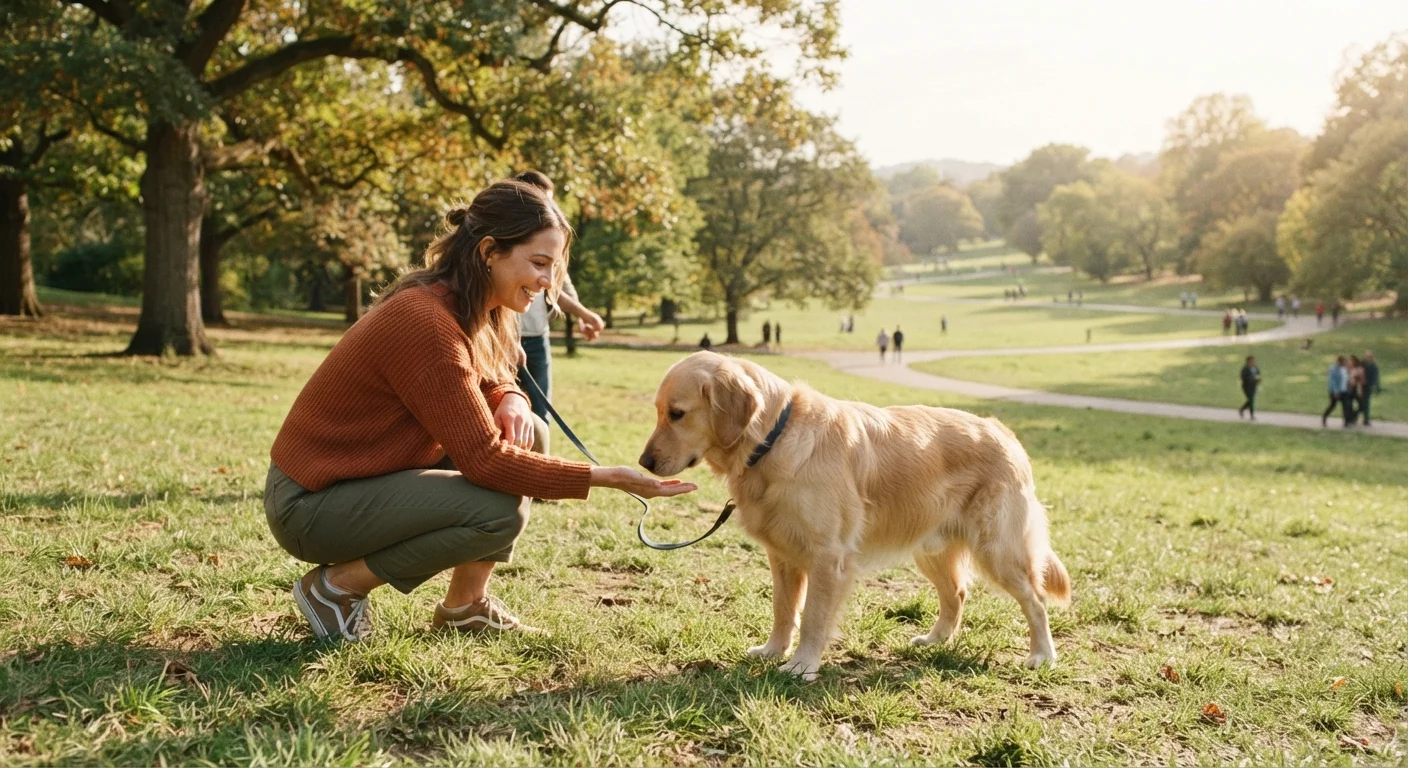
Photo: InsightsBlock.com | Access Information With Ease editorial
Key Takeaways
- Socialization is a lifelong process - adult and senior dogs can still benefit significantly.
- Controlled, positive exposures are safer and more effective than overwhelming environments.
- Watch your dog's body language closely; stress signals should always pause the session.
- Puppies have a critical socialization window, but it closes gradually - not all at once.
- Consulting a veterinary behaviorist is worthwhile for dogs with fear-based reactions.
Why Socialization Matters Beyond Puppyhood
Many dog owners assume socialization is a puppy-phase checkbox - something to complete before twelve weeks and then move on from. In reality, socialization is an ongoing process that shapes how dogs interpret and respond to the world throughout their entire lives.
The critical socialization window for puppies (roughly 3-14 weeks) is when new experiences have the deepest and most lasting impressions. But that window doesn't slam shut - it closes gradually, and meaningful learning continues well into adulthood. A dog adopted at two years old, a rescue with limited early exposure, or a senior dog moving to a new environment can all make genuine progress with patient, structured socialization.
Under-socialized dogs are more likely to develop anxiety, fear-based reactivity, and avoidance behaviors that affect their quality of life and safety. Addressing these gaps - whatever the dog's age - is one of the most impactful things an owner can do. See our guide on avoidable dog care errors for other habits that can quietly affect a dog's wellbeing.
Core Practices for Safe Socialization
Effective socialization is not about volume of exposure - it's about quality. Each new experience should leave your dog feeling safe, not overwhelmed.
Start with the dog's current comfort zone, not your goal environment.
Use high-value rewards paired with every new exposure.
Keep sessions short and end on a positive note.
Introduce novelty systematically - vary environments, surfaces, sounds, and people types.
Give the dog genuine agency - let them choose to engage.
Reading Your Dog's Body Language
No socialization session succeeds if the dog is pushed past their comfort threshold. Learning to read canine stress signals is non-negotiable.
Signs of discomfort include yawning, lip licking, turning away, whale eye (visible whites of the eye), lowered tail, ears pinned back, and stiff posture. These are calming signals - your dog is communicating that they need distance or a break.
Signs of relaxed engagement include a loose, wiggly body, a neutral or gently wagging tail, soft eyes, and willingness to take treats or sniff around calmly.
When to Pause and Reassess
If your dog shows persistent fear or aggression during socialization attempts, a consultation with a veterinary behaviorist or certified applied animal behaviorist is the appropriate next step - not more repeated exposure. Fear-based reactions can worsen without proper guidance.
Quick Wins to Start Today
You don't need a formal training plan to begin improving your dog's social confidence. Small, consistent steps go a long way.
Consistency matters more than intensity. Short, positive sessions several times a week outperform rare, overwhelming outings. As your dog's confidence grows, so can the complexity of their experiences.
This article provides general educational information about dog socialization and is not a substitute for personalized guidance from a licensed veterinarian or certified animal behaviorist.
The content provided on our blog site traverses numerous categories, offering readers valuable and practical information. Readers can use the editorial team’s research and data to gain more insights into their topics of interest. However, they are requested not to treat the articles as conclusive. The website team cannot be held responsible for differences in data or inaccuracies found across other platforms. Please also note that the site might also miss out on various schemes and offers available that the readers may find more beneficial than the ones we cover.