
Shoulder Season: The Overlooked Window for Affordable Travel

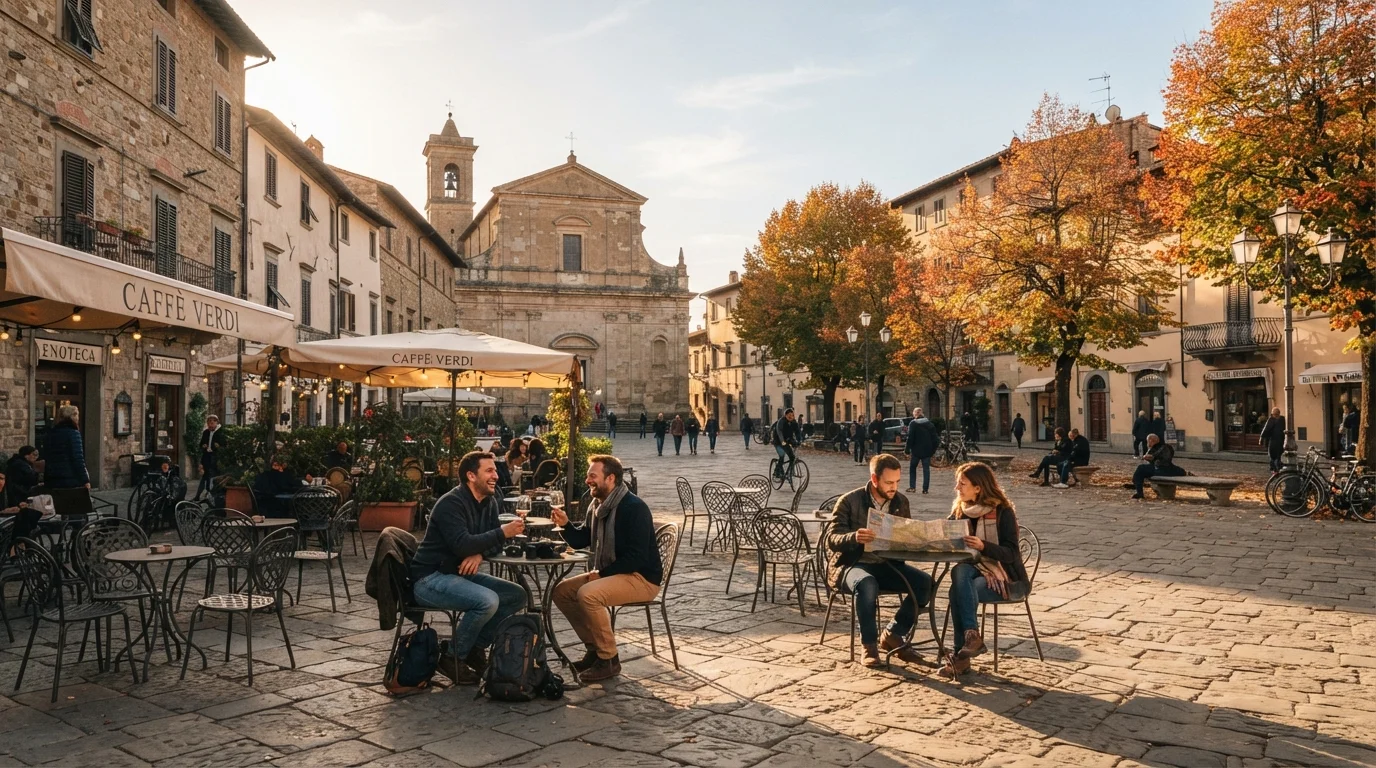
Photo: InsightsBlock.com | Access Information With Ease editorial
Key Takeaways
- Shoulder season falls between peak and off-season, typically in spring and fall.
- Hotels and airlines frequently lower prices during shoulder periods due to reduced demand.
- Popular attractions are less crowded, making for a more relaxed experience.
- Weather during shoulder season is often pleasant, though not always predictable.
- Timing varies by destination - research each location individually before booking.
Why the Timing of Your Trip Matters More Than You Think
Most travel decisions revolve around where to go. But savvy travelers know that when you go can shape your experience just as dramatically - and have an outsized impact on what you spend. Shoulder season is the concept that captures this insight most clearly.
When a destination hits peak season - think summer in Paris or winter in the Caribbean - demand spikes. Airlines, hotels, and tour operators respond by raising prices. Airports get crowded, restaurant wait times stretch, and popular sites fill with long queues. Flip to the off-season and the crowds thin out, but so do services, and weather can become a genuine obstacle. Shoulder season threads the needle between these two extremes.
Understanding this timing principle is a foundational skill in smart trip planning. Our Trip Planning Essentials hub covers related strategies in depth, but shoulder season deserves its own close look.
20-40%
Typical hotel rate reduction vs. peak season
Travel industry analysts broadly cite accommodation savings in this range for shoulder vs. peak travel periods, though actual rates vary by destination and booking channel.
30-50%
Fewer visitors at popular attractions
Visitor statistics at major European sites show notably reduced attendance in shoulder months compared to July and August peaks.
2-3 weeks
Average shoulder season window per side
Most destinations have a shoulder period of roughly two to three weeks on either side of peak season, though this varies significantly by location.
What Actually Drives the Price Drop
The price differences travelers see during shoulder season aren't arbitrary - they're a direct reflection of supply and demand dynamics in the travel industry. When fewer travelers are booking, hotels that would otherwise be full sit partially empty. Airlines fly routes with unsold seats. Both respond by adjusting rates downward to attract more bookings.
This plays out across nearly every category of travel spending: accommodation rates drop, car rental fleets sit waiting, and even popular tours may run discounts to fill slots. That collective softening of prices is what makes shoulder season such a meaningful opportunity for budget-conscious travelers.
It's worth noting that these dynamics aren't uniform. A destination experiencing a major festival or sporting event during what's technically shoulder season may see prices surge locally. Always cross-check general timing assumptions against a destination's specific event calendar. Our guide to hidden travel costs is a useful companion read here - some expenses don't soften even when base prices do.
Check Local Event Calendars Before Booking
Destinations That Reward Shoulder Season Timing
Not every destination benefits equally from shoulder season timing, but several regions are particularly well-suited to this strategy.
- Southern Europe (Greece, Italy, Spain): September and October deliver warm but not sweltering temperatures, dramatically reduced beach crowds, and noticeably lower accommodation rates compared to July and August.
- Southeast Asia (Thailand, Vietnam): The transition months around the wet season edges - typically April-May and October-November - can offer lower prices while keeping most attractions accessible.
- The American Southwest: Spring (March-April) and fall (October-November) are outstanding for parks like the Grand Canyon and Zion, with cooler hiking temperatures and fewer visitors than summer.
- Japan: The weeks just after peak cherry blossom season or just before peak autumn foliage are often less crowded and easier on the budget.
If you're working with a genuinely tight travel budget, pairing shoulder season timing with the strategies in our week-abroad budget guide can stretch your dollar further still.
Planning Your Shoulder Season Trip
Making the most of shoulder season requires a bit of research upfront. A few practical pointers to keep in mind:
- Research the specific destination's calendar. Shoulder season dates vary considerably - what's off-peak in one country may be high demand in another due to local holidays or regional tourism patterns.
- Check weather history, not just forecasts. Look at historical climate data for your travel window to understand what conditions are realistic, not just possible.
- Confirm key bookings in advance. Flexibility is one of shoulder season's perks, but popular accommodations and experiences can still sell out - especially on weekends.
- Consider the full picture. Beyond price, think about how pace, arrival timing, and buffer days affect enjoyment. Our piece on underrated factors that shape trip enjoyment covers these often-overlooked planning details well.
Shoulder season isn't a magic formula - it's a framework for making smarter choices about when to go. Used thoughtfully, it's one of the most reliable ways everyday travelers can get more out of every dollar they spend on a trip.
Frequently Asked Questions
The content provided on our blog site traverses numerous categories, offering readers valuable and practical information. Readers can use the editorial team’s research and data to gain more insights into their topics of interest. However, they are requested not to treat the articles as conclusive. The website team cannot be held responsible for differences in data or inaccuracies found across other platforms. Please also note that the site might also miss out on various schemes and offers available that the readers may find more beneficial than the ones we cover.