
Building a Trip Budget That Actually Holds

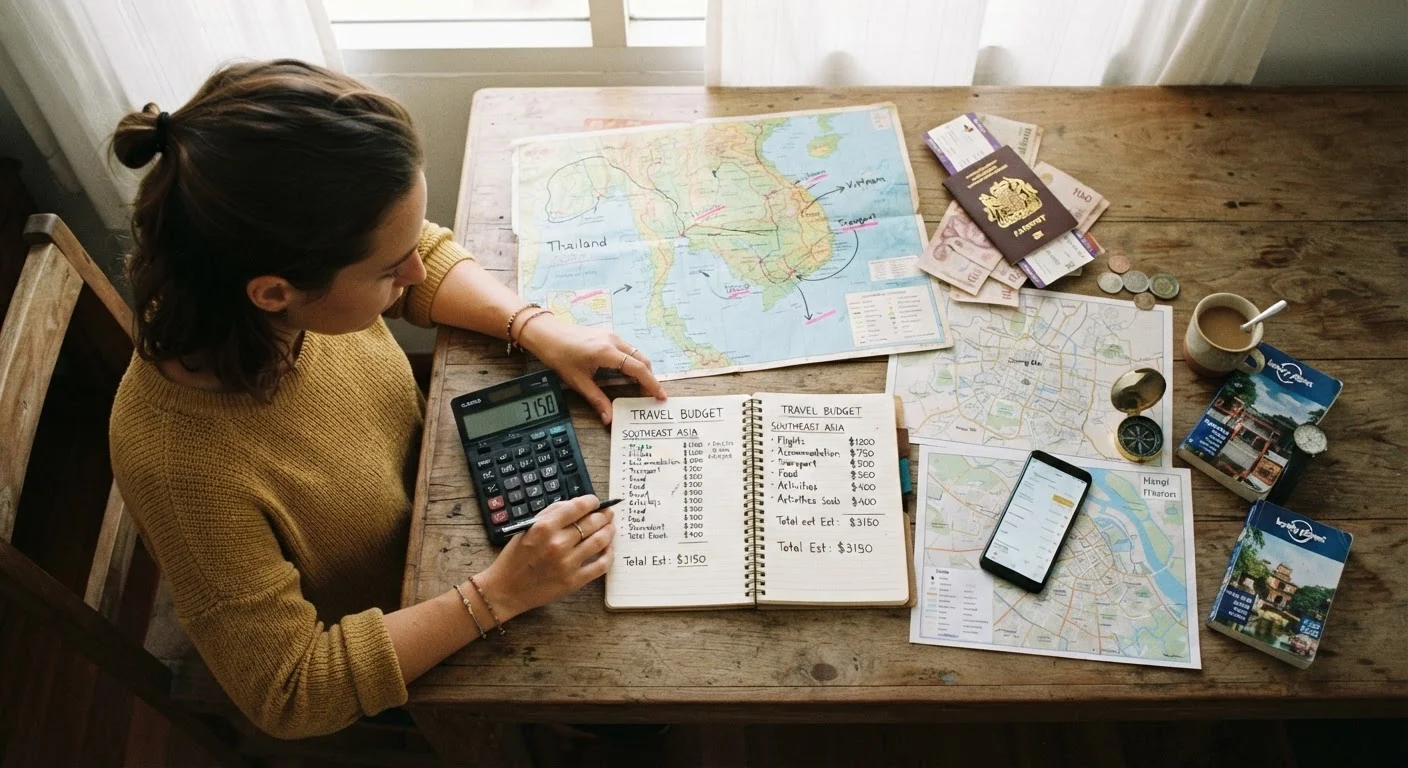
Photo: InsightsBlock.com | Access Information With Ease editorial
Key Takeaways
- Anchor your budget to a firm total number before researching any individual costs.
- Transportation, lodging, food, activities, and a contingency fund are the five core budget categories.
- Hidden fees - resort charges, luggage fees, currency conversion - can add 15-25% to estimated costs.
- Tracking spending in real time during the trip is as important as pre-trip planning.
- A 10-15% contingency buffer protects your budget without requiring a larger overall travel fund.
Why Most Trip Budgets Fall Apart
The most common reason trip budgets fail isn't overspending on flights or hotels - it's underplanning. Travelers set a rough number, book the big-ticket items, and assume the rest will sort itself out. It rarely does. Meals, ground transportation, entrance fees, tips, and souvenirs accumulate fast, especially when you're in a new place and your guard is down.
A budget that holds is one built in layers: you start with a ceiling, break it into categories, research realistic costs for each, and then stress-test it for the expenses most people forget. Think of it less like a spending cap and more like a financial itinerary - one that runs parallel to your travel itinerary. For a deeper look at how overlooked charges quietly inflate totals, see our guide on hidden costs that quietly inflate travel budgets before you finalize any numbers.
Build the Budget Before You Book
What You'll Need Before You Start
Good budgeting requires a few inputs upfront. Before diving into step-by-step planning, gather these essentials so the numbers you enter are grounded in reality.
What you will need
Step-by-Step: Building Your Trip Budget
Follow these steps in order. Skipping ahead - especially past the contingency and tracking stages - is where plans start to unravel.
Set Your Ceiling First
Before you research a single flight price, decide on a hard ceiling - the total maximum you can spend. This number should come from your savings, not from what you think the trip will cost. Working backward from a ceiling forces realistic trade-offs rather than wishful math.
Divide Your Budget Into Five Core Categories
Allocate your ceiling across five buckets before researching specifics:
- Transportation - flights, trains, car rental, gas, rideshares (typically 30-40% of total for international trips)
- Lodging - hotels, vacation rentals, hostels (typically 25-35%)
- Food & Drink - meals, groceries, coffee (typically 15-20%)
- Activities & Experiences - tours, entrance fees, excursions (typically 10-15%)
- Contingency - unexpected costs, delays, medical needs (minimum 10%)
These percentages are starting points, not rules. A road trip will skew heavily toward lodging and gas; a city break might shift toward activities.
Research Realistic Per-Day Costs
For each category, find a realistic daily cost for your destination. Travel forums, government tourism sites, and cost-of-living databases are useful starting points. Multiply each daily figure by your trip duration, then compare the sum to your category allocations. If the sum exceeds your ceiling, adjust duration, destination, or accommodation tier - not the contingency fund.
Add the Hidden Cost Layer
This step separates budgets that hold from ones that don't. Hidden costs include:
- Checked baggage and carry-on fees
- Resort or destination fees charged at check-in (not included in advertised room rates)
- Airport transfers and parking
- Foreign transaction fees on credit or debit cards
- Dynamic currency conversion charges
- Gratuities (standard tipping conventions vary widely by destination)
- Travel insurance premiums
- Visa and entry fees
Add a realistic estimate for each applicable item directly into your spreadsheet. For a comprehensive rundown, our article on hidden costs that quietly inflate travel budgets covers these in detail. Consider what travel insurance coverage actually matters when deciding whether to include a premium in this layer.
Lock In Your Numbers and Start Tracking
Once your estimates are complete and the total sits at or below your ceiling, finalize the budget. Create a simple tracking log - a spreadsheet with columns for category, estimated cost, and actual cost works well. Start logging actual expenses the moment you book anything. By departure day, your pre-paid costs (flights, lodging, insurance) should already be recorded, leaving only in-trip spending to monitor.
Staying on Budget While You Travel
A budget is only useful if you reference it. Before departure, run through the pre-departure budget checklist to confirm all categories are funded and all bookings are accounted for. Once you're on the road, check your spending log every evening - a five-minute habit that catches drift before it becomes a problem.
If you're planning this trip with a partner, coordinate expectations early. The approaches couples use for shared finances translate directly to shared travel budgets - decide who tracks what, how costs are split, and what the per-person daily limit looks like. For group trips, the coordination layer gets more complex; our group trip planning guide walks through that in detail.
Don't Rely on 'I'll Figure It Out' for Food
The content provided on our blog site traverses numerous categories, offering readers valuable and practical information. Readers can use the editorial team’s research and data to gain more insights into their topics of interest. However, they are requested not to treat the articles as conclusive. The website team cannot be held responsible for differences in data or inaccuracies found across other platforms. Please also note that the site might also miss out on various schemes and offers available that the readers may find more beneficial than the ones we cover.