
Car Noises and What They're Trying to Tell You

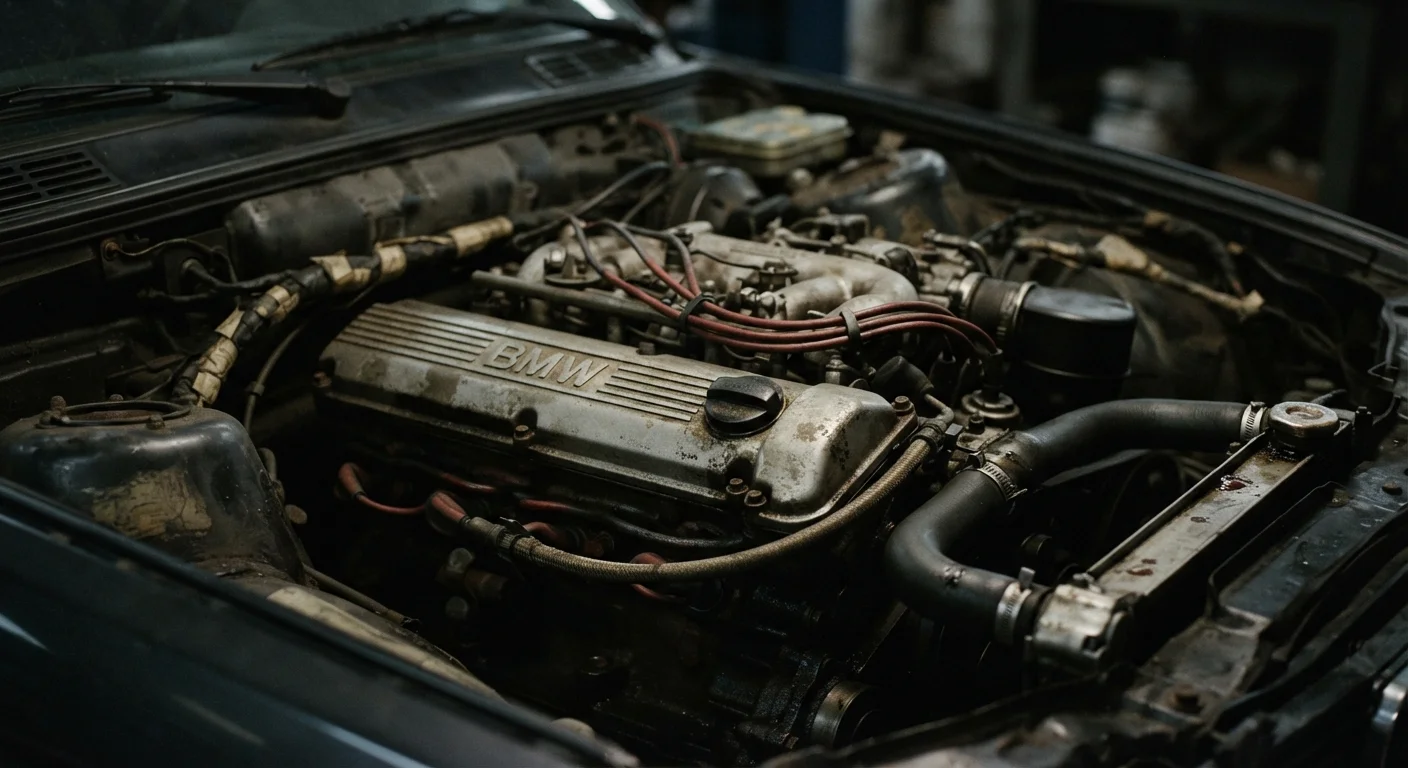
Photo: InsightsBlock.com | Access Information With Ease editorial
How to Read Your Car's Sounds
Your car communicates through sound. A new noise - especially one that appears suddenly or changes with speed, steering, or braking - is almost always meaningful. Ignoring it rarely makes it go away; more often, a small issue becomes a large repair bill. This guide maps common sounds to the systems most likely responsible, so you can have an informed conversation with a qualified mechanic.
Before diagnosing anything, note when the sound happens: at startup, while accelerating, during braking, or when turning. Also note where it seems to come from: front, rear, wheel area, engine bay, or under the car. These details dramatically narrow the possibilities.
For a broader foundation on keeping maintenance costs predictable, see our car ownership costs hub.
| Most common brake noise cause | Worn brake pad wear indicators |
| Belt-related squeal risk | Can disable alternator, cooling, and power steering if belt snaps |
| Engine knock trigger | Low octane fuel, low oil, or worn bearings |
| Grinding brakes urgency | High - braking performance may already be reduced |
| Clunking over bumps | Often linked to sway bar links, ball joints, or strut mounts |
| Hissing after engine off | May indicate coolant leak or vacuum leak near hot surfaces |
Common Car Noises and What They Indicate
Squealing or Screeching
During braking: A high-pitched squeal when you apply the brakes is frequently caused by wear indicators - small metal tabs built into brake pads specifically designed to make noise when the pad material gets low. This is a warning, not an emergency, but continuing to drive on worn pads can damage rotors, turning a pad replacement into a much costlier job.
Under the hood at startup or acceleration: A belt-related squeal - often from the serpentine or accessory belt - typically signals a worn, glazed, or loose belt. Have a mechanic inspect it promptly; a snapped serpentine belt can disable the alternator, power steering, and cooling fan simultaneously.
Knocking or Pinging
A rhythmic knock from the engine that worsens under load can point to several causes: low oil pressure, worn bearings, or detonation (also called engine knock or pinging), where the air-fuel mixture ignites unevenly. Using a lower octane fuel than your engine requires is a common trigger. Fuel and maintenance myths often lead drivers to underestimate how much fuel grade matters.
Grinding
When braking: Metal-on-metal grinding typically means brake pads are completely worn through and rotors are being damaged. Treat this as urgent - braking performance may already be compromised.
When shifting or in motion: Grinding from the transmission or drivetrain area can indicate a failing manual transmission synchronizer, a worn CV joint, or differential issues. A mechanic should inspect this promptly.
Hissing
A hiss from the engine bay - especially after the engine is turned off - often points to a vacuum leak, a coolant leak contacting a hot surface, or a failing gasket. A steady hiss while driving may indicate a tire with a slow leak or a brake booster issue. Both warrant attention before your next long drive.
Clunking
Clunks when going over bumps or turning usually originate from suspension components - worn sway bar links, ball joints, or strut mounts are frequent culprits. Clunking when shifting into drive or reverse can indicate worn engine or transmission mounts. Suspension issues affect handling safety, so don't defer inspection.
Serpentine Belt
A single, continuous belt that drives multiple engine accessories including the alternator, power steering pump, and air conditioning compressor. If it fails, several systems can stop functioning simultaneously.
Engine Knock (Detonation)
An uneven, premature ignition of the air-fuel mixture in an engine cylinder, often heard as a pinging or knocking sound. It can cause engine damage over time and is frequently related to fuel octane or ignition timing.
CV Joint
A constant-velocity joint that transfers torque from the drivetrain to the wheels while allowing for steering and suspension movement. Worn CV joints often produce a clicking or grinding sound, especially when turning.
Brake Wear Indicator
A small metal tab attached to a brake pad that contacts the rotor and creates a squealing noise when the pad material is nearly depleted, alerting the driver to schedule a brake inspection.
Vacuum Leak
A breach in the network of hoses and connections that carry intake vacuum throughout an engine. It can cause hissing sounds and lead to rough idling, poor fuel economy, and misfires.
Sway Bar Link
A small connecting rod that joins the sway bar to the suspension, helping control body roll during cornering. Worn links often produce clunking sounds when driving over bumps or uneven surfaces.
What to Do When You Hear Something New
When an unfamiliar sound appears, resist the urge to turn up the radio. Instead, try to reproduce the sound deliberately - does it change when you brake, accelerate, or turn the wheel? Note the conditions and describe them precisely to your mechanic.
Some sounds pair with dashboard warnings. If a knocking or hissing sound accompanies the check engine light, understanding what that light means can help you gauge urgency before your appointment.
Consulting your vehicle's owner's manual can also help - it describes normal operating sounds for your specific model and lists inspection intervals that may be relevant. Our guide on reading your owner's manual walks you through how to use it effectively.
When in doubt, have the vehicle inspected by a qualified mechanic. Many shops offer free or low-cost diagnostic checks for obvious symptoms. Catching a problem at the noise stage is almost always less expensive than waiting for a failure.
This article is for general informational purposes only. For diagnosis and repair of any vehicle issue, always consult a qualified automotive technician.
The content provided on our blog site traverses numerous categories, offering readers valuable and practical information. Readers can use the editorial team’s research and data to gain more insights into their topics of interest. However, they are requested not to treat the articles as conclusive. The website team cannot be held responsible for differences in data or inaccuracies found across other platforms. Please also note that the site might also miss out on various schemes and offers available that the readers may find more beneficial than the ones we cover.