
Reading Your Owner's Manual: The Maintenance Schedule That Actually Matters

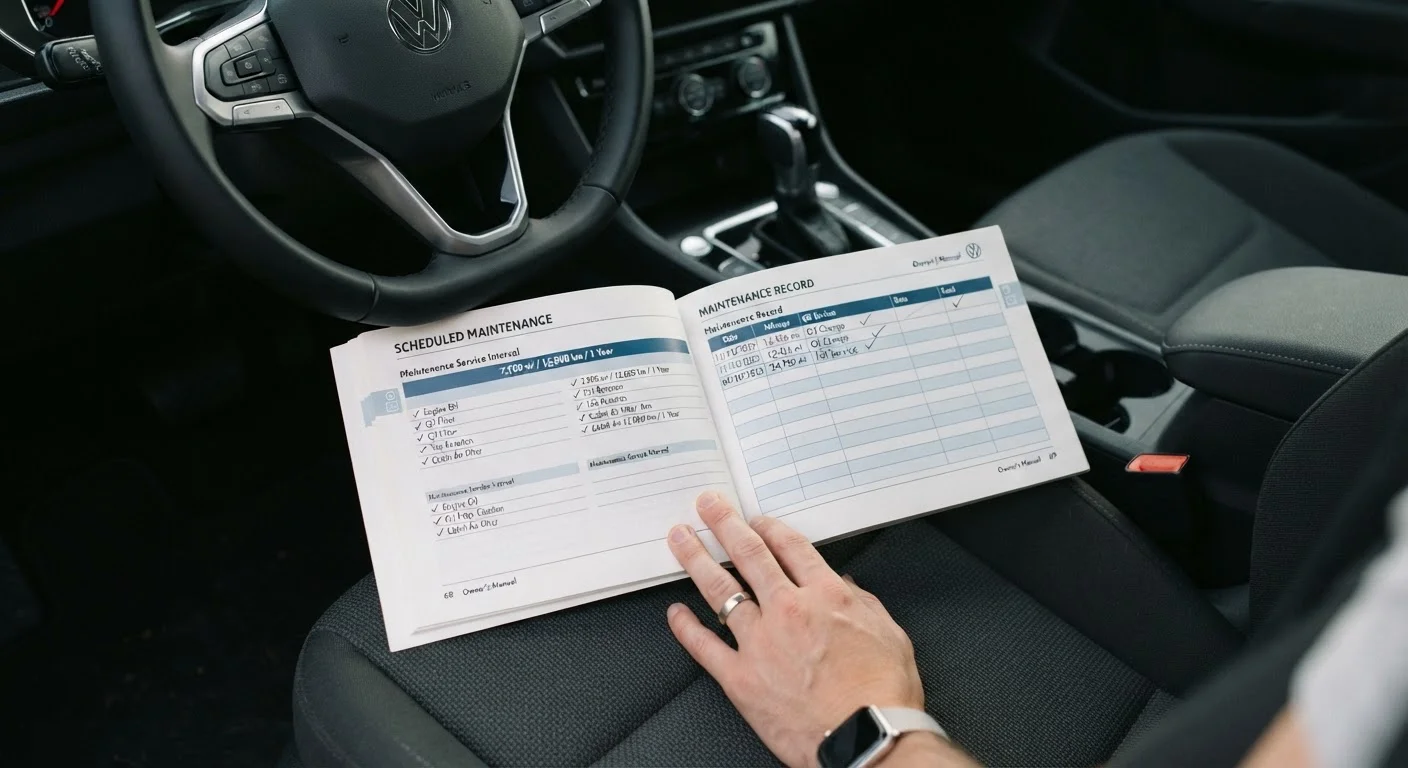
Photo: InsightsBlock.com | Access Information With Ease editorial
Key Takeaways
- Your owner's manual contains a manufacturer-verified maintenance schedule specific to your vehicle's engine and design.
- Most manuals list two schedules - normal and severe driving conditions - and many drivers qualify for the latter.
- Following the manual's intervals helps avoid both premature service and costly over-due repairs.
- Digital versions of most owner's manuals are freely available from manufacturers if you've lost your copy.
- The manual's schedule is the authoritative starting point - service shop recommendations may differ for commercial reasons.
Why the Owner's Manual Is Your Most Reliable Source
Every vehicle's maintenance schedule is engineered alongside the vehicle itself. The intervals in your owner's manual are not generic industry averages - they reflect the specific tolerances, materials, and operating parameters of your engine, transmission, and other systems. That specificity is what makes the manual more authoritative than service reminder stickers, shop recommendations, or word-of-mouth advice.
Generic guidance - such as the long-standing "change your oil every 3,000 miles" rule - has persisted long after manufacturers updated their own recommendations for modern engines and synthetic oils. The maintenance myths that keep costing drivers money goes deeper on why outdated rules can lead to unnecessary spending. Your manual cuts through the noise with data built specifically for your car.
Owner's Manual
Contains the manufacturer's complete maintenance schedule, fluid specifications, and service intervals for your specific vehicle.
Odometer Reading
Allows you to identify exactly where your vehicle stands relative to each scheduled maintenance interval.
Service History Record
Helps you determine which intervals have already been completed and what is coming due next.
Manufacturer's Website or App
Provides a free digital copy of your manual if the original is lost, and may include interactive maintenance tools.
For drivers who have just purchased their first vehicle, the practical introduction to car maintenance for new drivers provides essential context before diving into the manual itself.
How to Read and Apply Your Maintenance Schedule
Reading the schedule is straightforward once you understand its structure. Follow the steps below to translate the manual's tables and text into a concrete service plan for your vehicle.
What you will need
Locate the Maintenance Schedule Section
Owner's manuals are organized by topic, and the maintenance schedule is typically found under a chapter titled Maintenance, Service, or Scheduled Maintenance. In most manuals, this falls roughly in the second half of the book. If you have a digital PDF, use the search function to find "maintenance schedule" or "service intervals." If your manual is missing, search the manufacturer's website using your vehicle's year, make, and model - most automakers provide free PDF downloads.
Identify Which Schedule Applies to You
Most manuals present two parallel schedules: one for normal driving conditions and one for severe or special operating conditions. Read the definitions carefully. Severe conditions commonly include: frequent short trips (under 5 miles), repeated towing or hauling, extended idling, driving in extreme heat or cold, or operating on dusty unpaved roads. Identify which category honestly matches how and where you drive before moving forward.
Note the Interval Format - Miles, Months, or Both
Maintenance intervals are expressed in mileage, elapsed time (months), or whichever comes first. A typical entry might read: "Change engine oil and filter every 7,500 miles or 12 months, whichever occurs first." The "whichever comes first" rule matters significantly for low-mileage drivers. If you drive fewer than 7,500 miles per year, the 12-month interval still applies - oil degrades chemically even when the car sits, so the calendar trigger protects your engine regardless of mileage accumulated.
Map Each Service Item to Your Current Mileage
Work through the schedule line by line and compare each interval to your current odometer reading and most recent service records. Common items to track include engine oil and filter, tire rotation, cabin and engine air filters, spark plugs, coolant, transmission fluid, brake fluid, and drive belts. For each item, calculate the mileage at which it next comes due. Items that are overdue should be prioritized - consult a qualified mechanic for anything outside your comfort level. For a broader look at typical costs associated with these intervals, see the reference guide to routine maintenance schedules and costs.
Check for Fluid and Material Specifications
Beyond intervals, the manual specifies the exact grade of oil, type of coolant, transmission fluid specification, and brake fluid type your vehicle requires. These specifications are not suggestions - using the wrong fluid can void warranty coverage or cause component damage. The oil viscosity (e.g., 5W-30 vs. 0W-20) and any approval standards (such as dexos or API SN) listed in your manual should be matched precisely when you or a shop performs service.
Schedule Service Based on What You've Found
With your interval map complete and fluid specs noted, contact a qualified mechanic or service center to address anything that is due or overdue. Bring your service history if you have it. Going forward, revisit your manual each time you reach a round mileage milestone or after six months - whichever comes first - to stay ahead of upcoming intervals. For drivers interested in understanding which tasks can reasonably be handled at home versus those that require professional tools, the DIY vs. shop guide provides a clear breakdown.
Keep a Simple Service Log
Drivers managing high-mileage vehicles should pay close attention to items like transmission fluid, coolant, and drive belt condition - the guide to keeping a car running past 150,000 miles addresses these priorities in detail. And if unexpected warning lights appear while you're reviewing your car's health, see what your check engine light is actually telling you before your next shop visit.
Severe Duty Applies to More Drivers Than You Think
Staying consistent with your manual's schedule is one of the most effective long-term cost-control strategies available to any driver. For a broader look at managing ownership expenses, see keeping car costs in check over the long haul.
The content provided on our blog site traverses numerous categories, offering readers valuable and practical information. Readers can use the editorial team’s research and data to gain more insights into their topics of interest. However, they are requested not to treat the articles as conclusive. The website team cannot be held responsible for differences in data or inaccuracies found across other platforms. Please also note that the site might also miss out on various schemes and offers available that the readers may find more beneficial than the ones we cover.