
The Full Financial Picture of Car Ownership

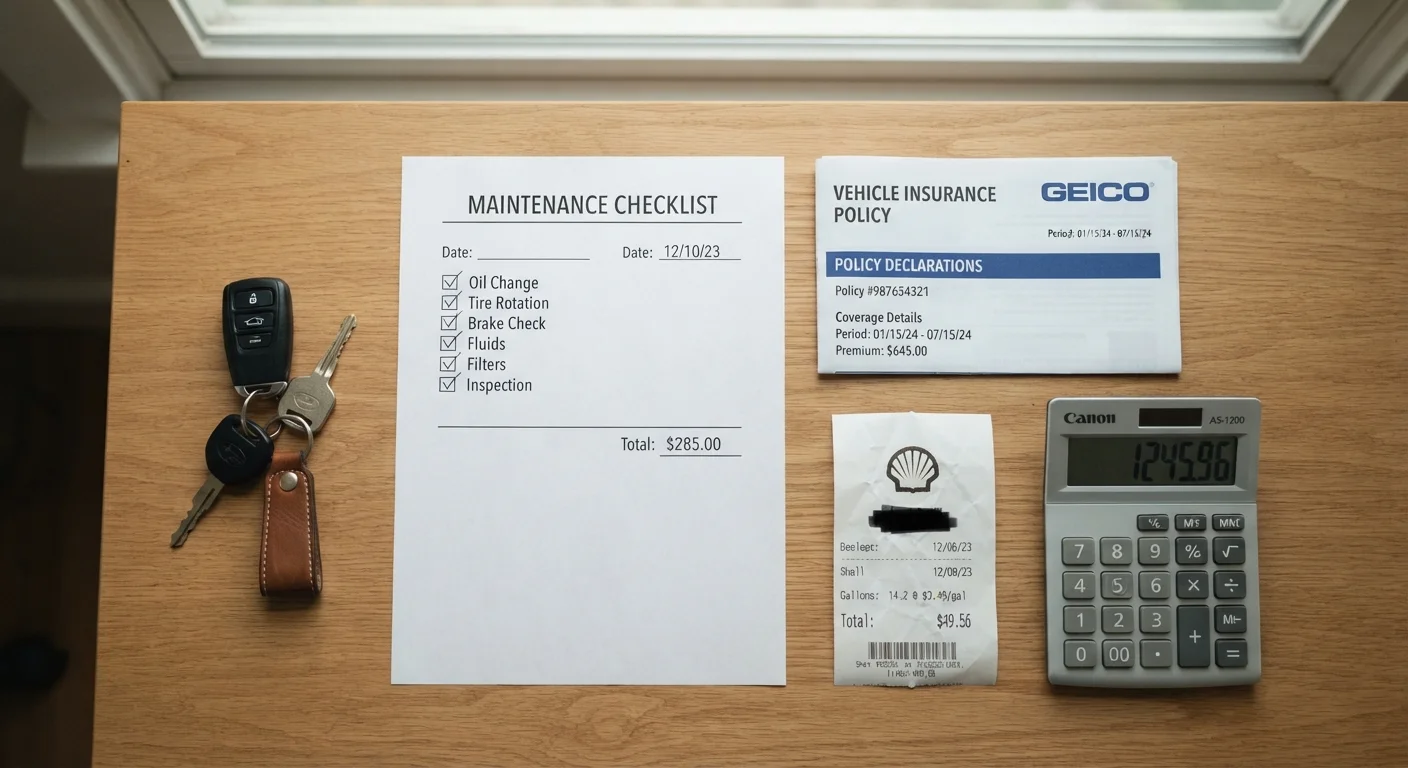
Photo: InsightsBlock.com | Access Information With Ease editorial
Key Takeaways
- The purchase price typically represents a minority of what a vehicle costs over its lifetime.
- Depreciation is often the single largest ownership cost, especially in the first three years.
- Insurance, fuel, maintenance, and fees combine to exceed the loan payment for many drivers.
- Vehicle type, driving habits, and location all significantly affect total annual costs.
- Budgeting for ownership - not just purchase - protects against financial surprises.
Why the Sticker Price Is Just the Beginning
Most drivers focus on the purchase price or monthly payment when evaluating a vehicle. That's understandable - those numbers are visible and immediate. But research consistently shows that the purchase transaction represents only a fraction of what a vehicle actually costs over time. When all recurring expenses are included, annual ownership costs for an average new vehicle have historically exceeded $10,000 in the US, according to AAA's annual Your Driving Costs studies.
Understanding the full financial picture before committing to a vehicle helps drivers avoid being stretched thin by expenses they didn't anticipate. Understanding total cost of ownership before you buy is the foundation of any smart vehicle decision.
$10,000+
Estimated average annual new vehicle ownership cost
AAA's annual Your Driving Costs study has consistently found average ownership costs for new vehicles exceeding $10,000 per year when all expenses are included.
~20%
Typical first-year depreciation on a new vehicle
Industry analyses generally estimate new vehicles lose roughly 15-20% of their value in the first year, with cumulative losses steeper over three to five years.
15,000
Average miles driven annually by US drivers
The Federal Highway Administration has reported that the average US driver covers approximately 15,000 miles per year, a key variable in fuel and wear costs.
Financing and Depreciation
For drivers who finance a purchase, the loan payment is the most visible ongoing cost. However, the interest paid over the loan term - often five to seven years - can add thousands of dollars to the vehicle's effective price. A higher credit score generally leads to a lower interest rate, meaningfully reducing this figure.
Depreciation - the loss of a vehicle's market value over time - is typically the largest single ownership cost and the one drivers think about least. New vehicles commonly lose a substantial portion of their value within the first three years. Depreciation isn't a monthly bill, but it directly affects the net cost of ownership when the vehicle is eventually sold or traded in. New car vs. used car true cost comparison explores how depreciation curves differ between buying new and used.
When comparing vehicles, calculate the total five-year cost - not just the monthly payment. Factor in expected depreciation, insurance quotes, and fuel costs for each model you're considering.
Get an insurance quote before finalizing a vehicle purchase. Some models carry significantly higher premiums due to repair costs, theft rates, or safety ratings - a detail that can shift the affordability calculation.
Insurance: A Non-Negotiable Cost
Auto insurance is legally required in nearly every US state, and premiums vary widely based on vehicle type, driver history, location, age, and coverage level. A basic liability policy is the legal minimum in most states, but comprehensive and collision coverage - often required by lenders on financed vehicles - adds significantly to annual costs. Nationally, average annual auto insurance premiums have risen in recent years, driven by higher repair costs and vehicle values.
Drivers should review their coverage annually, as life changes - a move, a paid-off loan, or an improved driving record - can affect what level of coverage makes sense. This article provides general information; readers should consult a licensed insurance professional for guidance tailored to their situation, and carefully review any policy documents before purchasing.
Fuel and Energy Costs
Fuel is one of the most variable ownership costs. It depends on local gas prices, a vehicle's fuel economy rating, and how many miles are driven annually. A driver covering 15,000 miles per year in a vehicle averaging 25 mpg will spend considerably more on fuel than one driving 10,000 miles in a 35-mpg vehicle - regardless of how similar the vehicles look on a dealer lot.
Electric vehicles shift this cost to electricity, which is generally lower per mile but not zero. Charging infrastructure, home charging setup costs, and regional electricity rates all factor in. Annual car ownership costs by vehicle type breaks down how fuel and energy costs compare across sedans, SUVs, trucks, and EVs.
Maintenance, Repairs, and Tires
Routine maintenance - oil changes, brake service, fluid checks, filter replacements - is predictable and manageable when planned for. Many drivers underestimate how quickly these costs accumulate. A vehicle driven for ten years will require thousands of dollars in scheduled service even when nothing goes wrong.
Unplanned repairs are harder to budget for but statistically certain over a long ownership period. Setting aside a monthly amount specifically for repairs - even a modest figure - prevents a single mechanical failure from becoming a financial crisis. Tires are often overlooked: a set of quality replacement tires can cost several hundred dollars, and most vehicles need new tires every three to five years depending on driving habits and conditions. For ongoing guidance, the car maintenance hub offers practical resources for keeping vehicles running safely and efficiently.
Build a Monthly Repair Reserve
Taxes, Fees, and Registration
Purchase taxes, title fees, and dealer documentation fees add to the upfront cost of acquiring a vehicle. After purchase, annual registration fees apply in every state - and in some states, these fees are tied to vehicle value or age, meaning a newer or more expensive vehicle costs more to register each year. Some states also assess an annual property tax on vehicles. Parking costs, tolls, and any emissions inspection fees are additional recurring line items many drivers overlook when building a budget.
Building a Complete Ownership Budget
An accurate monthly car budget accounts for every category: loan or lease payment, insurance, fuel, routine maintenance, a repair reserve, registration, and any parking or toll costs specific to the driver's situation. Adding these figures together often reveals that the true monthly cost of a vehicle is substantially higher than the loan payment alone.
Building a realistic monthly car budget provides a practical walkthrough for calculating this total. For drivers thinking long-term, keeping car costs in check over the long haul outlines habits that reduce the financial burden of ownership over years. A vehicle that fits comfortably within a complete budget - not just the sticker price - is the one that delivers lasting value.
This article is for general informational purposes only and does not constitute financial, insurance, or legal advice. Costs, rates, and regulations vary by state, provider, and individual circumstance. Consult qualified professionals before making significant financial decisions.
The content provided on our blog site traverses numerous categories, offering readers valuable and practical information. Readers can use the editorial team’s research and data to gain more insights into their topics of interest. However, they are requested not to treat the articles as conclusive. The website team cannot be held responsible for differences in data or inaccuracies found across other platforms. Please also note that the site might also miss out on various schemes and offers available that the readers may find more beneficial than the ones we cover.