
Everyday Movement Habits Worth Tracking (Beyond Step Count)

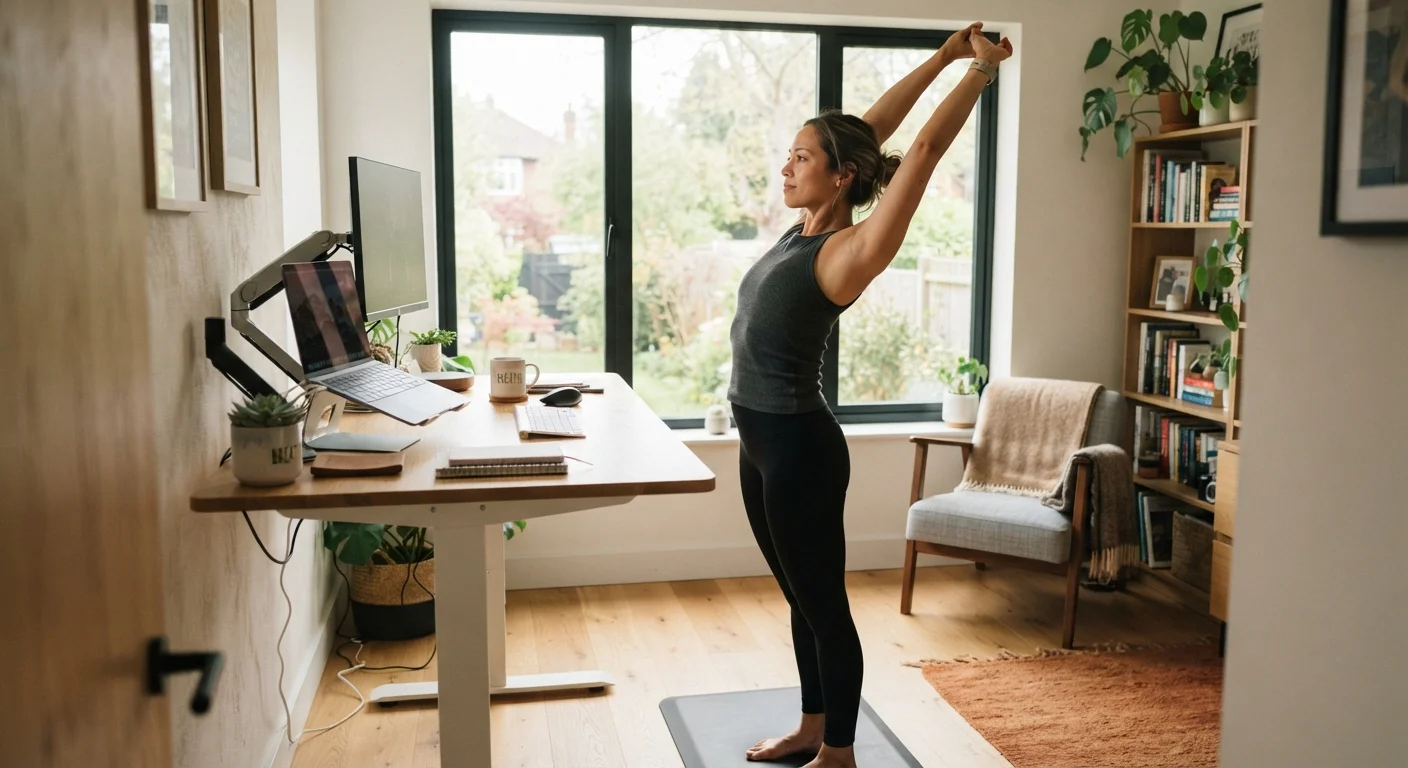
Photo: InsightsBlock.com | Access Information With Ease editorial
Key Takeaways
- Step count is a useful starting point, but it misses important dimensions of physical activity.
- Sitting breaks, exertion variety, and mobility work each contribute to long-term health outcomes.
- Tracking qualitative movement habits can be more sustainable than chasing a daily number.
- Small, consistent shifts in how you move throughout the day add up meaningfully over time.
- Always consult a healthcare professional before making significant changes to your activity level.
Why Steps Alone Miss the Bigger Picture
Counting steps has become shorthand for being physically active - and it's not a bad proxy. But step count captures only one dimension of movement: forward locomotion at some pace. It says nothing about how long you sat before taking those steps, whether any of your movement challenged your cardiovascular system, or how well your joints and muscles are functioning over time.
Research in exercise science increasingly points to a more nuanced picture of physical activity - one that includes sedentary interruption, strength and balance work, and varied exertion levels. Thinking beyond steps doesn't mean abandoning the metric; it means adding context that makes the data more useful. If you're also considering how different movement types fit into your week, our guide on structuring a weekly exercise schedule can help you put these habits into a broader framework.
Sedentary break frequency
How often you interrupt prolonged sitting may matter as much as total daily movement. Emerging research suggests that breaking up long sitting periods - even briefly - is associated with better metabolic and cardiovascular markers, independent of overall step count. A useful habit to track is simply how many times per day you stand or move after a stretch of sitting. Many people find that setting a soft reminder every 45-60 minutes is enough to shift this pattern without disrupting workflow.
Interrupting long sitting periods may matter as much as your total daily step count.
Exertion variety across the week
Not all movement is physiologically equivalent. Walking at a relaxed pace, climbing stairs briskly, and carrying groceries each place different demands on your body. Tracking whether your weekly activity includes a range of intensities - light, moderate, and occasionally vigorous - gives you more useful information than a step total that doesn't distinguish between a gentle stroll and a fast-paced hike. Public health guidelines generally recommend a mix of intensities, though specific targets should be discussed with your healthcare provider. If you're weighing different cardio approaches, comparing rucking, walking, and running can help clarify where each fits.
A mix of light, moderate, and vigorous movement is more informative than step totals alone.
Functional mobility and range of motion
Can you comfortably reach overhead, squat to pick something up from the floor, or rotate your torso without discomfort? These functional movement capacities don't show up in step counts but are meaningful indicators of how well your body is maintaining usable range of motion. Noticing limitations - stiffness after long periods of sitting, reduced reach compared to a year ago - can prompt targeted stretching or mobility work before issues become more significant. This is a habit best assessed informally and periodically rather than daily.
Functional range of motion is a meaningful health marker that step counts completely ignore.
Load-bearing and resistance activity
Carrying, lifting, pushing, and pulling - whether in a gym or in daily life - contribute to muscle and bone health in ways that aerobic movement alone does not. Resistance-type activity is associated with maintaining muscle mass, supporting joint stability, and contributing to bone density, particularly as people age. Tracking whether your week includes some form of load-bearing activity (bodyweight exercises, carrying heavy bags, gardening with digging) adds a layer of awareness that step count omits entirely.
Load-bearing activity supports muscle and bone health in ways aerobic movement alone cannot replace.
Balance and coordination moments
Balance tends to decline gradually and is rarely noticed until a stumble or fall makes it obvious. Incorporating brief balance challenges - standing on one foot while waiting for the kettle, navigating uneven terrain on a walk - and simply noticing how stable you feel during routine tasks is a low-effort way to stay attuned to this aspect of physical function. It's a particularly relevant habit for adults over 40, though balance training has general benefits at any age. Discuss any noticeable changes in balance with a healthcare professional.
Balance declines gradually - noticing and challenging it regularly is a worthwhile movement habit.
Recovery and rest quality
How you feel the day after active movement is itself a data point. Persistent fatigue, soreness that lingers beyond a day or two, or a sense of dreading physical activity can signal that recovery isn't keeping pace with effort. Noting how your body feels on rest days - not just active ones - helps you distinguish productive effort from overreach. This is especially relevant if you're returning to regular movement after a break, when the temptation to do too much too soon is common.
How you feel the day after activity is a meaningful movement metric in its own right.
Building a More Complete Movement Picture
None of these habits requires a high-end fitness tracker or an hour carved out of your day. Many are simply a matter of awareness - noticing patterns you might otherwise overlook. Movement snacks can be an especially practical way to address several of these habits at once without restructuring your schedule.
Start with one new habit at a time
It's also worth noting that physical movement has documented effects on mood, anxiety, and cognitive function. Attending to the full range of how you move - not just how far - may support wellbeing in ways a step counter won't reflect. See how movement supports emotional wellbeing for a grounded look at that connection.
This article is for general informational and educational purposes only and is not a substitute for professional medical advice. Consult a qualified healthcare provider before making significant changes to your physical activity routine, particularly if you have any existing health conditions.
The content provided on our blog site traverses numerous categories, offering readers valuable and practical information. Readers can use the editorial team’s research and data to gain more insights into their topics of interest. However, they are requested not to treat the articles as conclusive. The website team cannot be held responsible for differences in data or inaccuracies found across other platforms. Please also note that the site might also miss out on various schemes and offers available that the readers may find more beneficial than the ones we cover.