
Meditation vs. Mindfulness: Two Practices, One Goal

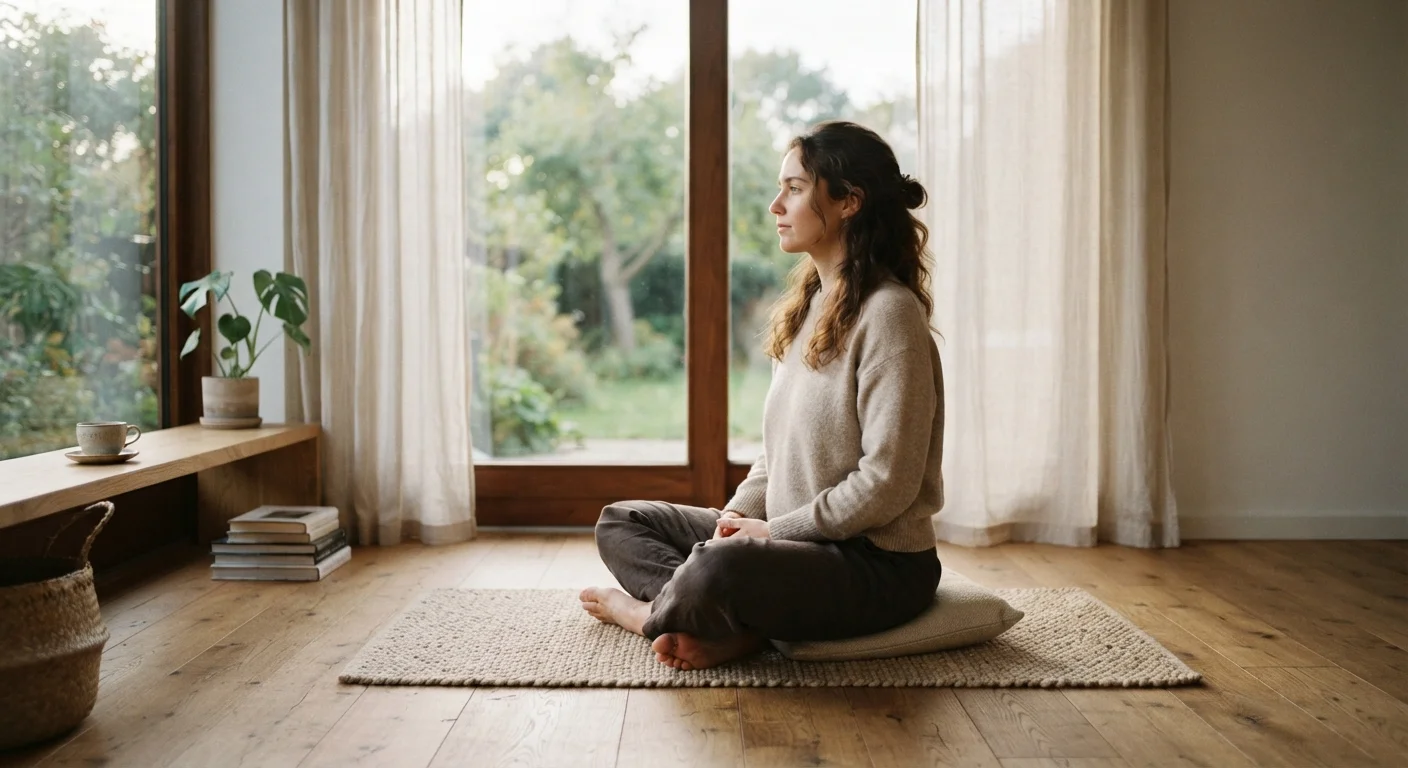
Photo: InsightsBlock.com | Access Information With Ease editorial
Key Takeaways
- Meditation is a formal practice; mindfulness is a mental quality that can be cultivated anywhere.
- Mindfulness is often the goal of meditation, but it can also be developed without sitting sessions.
- Both practices are supported by a growing body of psychological and neuroscience research.
- Neither requires special equipment, prior experience, or a specific belief system to begin.
- Combining both approaches tends to reinforce each other's benefits over time.
Understanding the Core Distinction
Meditation and mindfulness are frequently treated as synonyms, but the difference between them is meaningful. Meditation is a formal, intentional practice - a set period of time during which you deliberately train your attention using a specific technique, such as focusing on the breath, repeating a phrase, or visualizing an image. Mindfulness, by contrast, is a quality of awareness: the ability to pay deliberate, non-judgmental attention to what is happening in the present moment.
Think of it this way: mindfulness is something you can cultivate, and meditation is one of the most effective tools for cultivating it. You can be mindful while washing dishes, walking to a meeting, or listening to someone speak. Meditation typically requires you to stop and sit.
This distinction matters because it shapes how you approach each. Meditation asks for scheduled time and a chosen technique. Mindfulness asks for ongoing attentiveness - it travels with you through the day. Both are learnable, and neither demands a particular spiritual background or belief system.
How Each Practice Works
Meditation generally involves choosing a focal point - most commonly the breath - and returning attention to it whenever the mind wanders. Over time, this repetitive redirection strengthens the mind's capacity to notice distraction and gently refocus. Common forms include breath-awareness meditation, body scan, loving-kindness (metta), and transcendental meditation, among others.
Mindfulness as a stand-alone practice involves intentionally shifting your attention to the present sensory experience, thoughts, or emotions without trying to change them. It can be as brief as pausing to notice five things you can hear right now, or as layered as paying close attention to the emotional texture of a difficult conversation.
| Criterion | Meditation | Mindfulness |
|---|---|---|
| Nature | Formal practice with defined session | Ongoing quality of attention |
| When practiced | Set-aside dedicated time | Anytime, anywhere |
| Requires stillness | Usually yes | No |
| Learning curve | Moderate - technique-dependent | Low - accessible immediately |
| Primary mechanism | Repeated attention redirection | Present-moment noticing |
| Common formats | Breath focus, body scan, loving-kindness | Sensory check-ins, mindful activities |
| Relationship to each other | Tool for cultivating mindfulness | Often the goal of meditation |
Research in psychology and cognitive neuroscience suggests both approaches are associated with reductions in perceived stress and improvements in attentional control, though study designs vary and findings should not be treated as guaranteed outcomes for any individual. If you're navigating significant stress or anxiety, it's worth reading about the distinction between those two states - see how stress and anxiety differ for useful context before choosing a practice approach.
Practical Ways to Integrate Both
You don't have to choose one over the other. Many people find that a short daily meditation session - even five to ten minutes - builds the attentional muscle that makes mindfulness easier throughout the rest of the day. The formal practice trains the capacity; the informal practice exercises it in real life.
If sitting meditation feels inaccessible at first, starting with mindfulness micro-practices is entirely valid. Paying full attention to one cup of coffee, one short walk, or one breath cycle before a meeting can serve as an entry point. Over time, that attention-training can naturally expand.
No Single Technique Fits Everyone
For those who enjoy writing as a reflective tool, pairing either practice with a journaling habit can deepen self-awareness. Journaling for mental clarity explores how different writing approaches complement wellness practices like these.
It's also worth noting that both meditation and mindfulness work best as part of an overall approach to wellbeing - not as replacements for professional support when that's needed. If you find yourself using wellness practices primarily to avoid difficult feelings rather than process them, understanding when self-care becomes avoidance may be a helpful read.
This article is for general informational and educational purposes only and is not a substitute for professional mental health advice, diagnosis, or treatment. If you have concerns about your mental health, please consult a qualified healthcare professional.
The content provided on our blog site traverses numerous categories, offering readers valuable and practical information. Readers can use the editorial team’s research and data to gain more insights into their topics of interest. However, they are requested not to treat the articles as conclusive. The website team cannot be held responsible for differences in data or inaccuracies found across other platforms. Please also note that the site might also miss out on various schemes and offers available that the readers may find more beneficial than the ones we cover.