
Nutrient Density Explained: Getting the Most Nutrition from Every Calorie

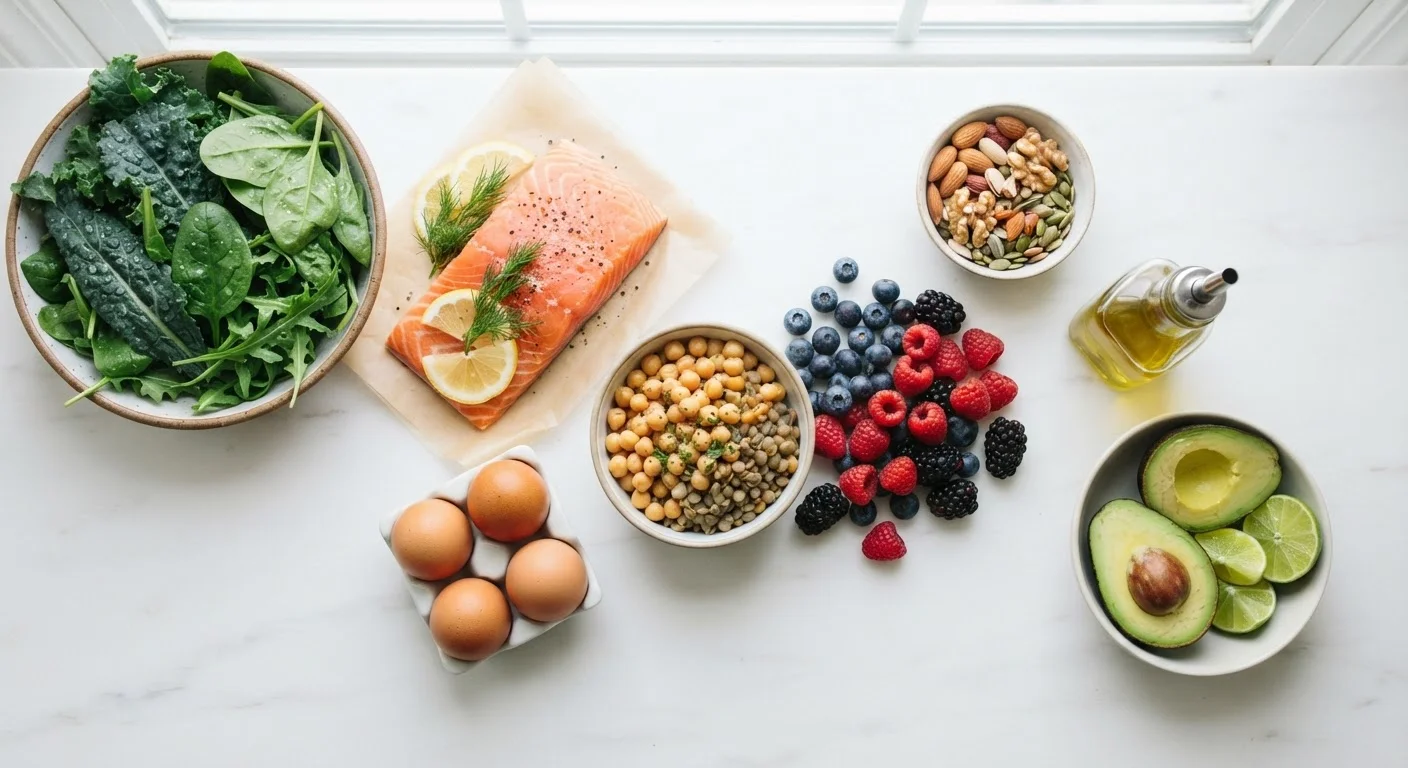
Photo: InsightsBlock.com | Access Information With Ease editorial
Key Takeaways
- Nutrient density measures what a food delivers nutritionally relative to the calories it contains.
- Whole foods like vegetables, legumes, and fish tend to rank higher in nutrient density than processed snack foods.
- Calorie counts alone tell you little about food quality - two foods can have the same calories but very different nutritional profiles.
- Improving nutrient density at meals doesn't require eliminating entire food groups or following a restrictive diet.
- Understanding nutrient density is a practical tool for making informed food choices, not a strict ruleset.
Calories vs. Nutrition: Why the Difference Matters
When most people evaluate what to eat, calories are often the first number they check. But calories measure only one thing: energy. They say nothing about what else a food contains - or doesn't contain. Two foods can have identical calorie counts while delivering vastly different amounts of vitamins, minerals, fiber, and protein.
This is where nutrient density becomes a more useful lens. Rather than asking how much energy does this provide?, nutrient density asks what does my body actually get from this food? That shift in perspective can meaningfully influence how you approach meals, grocery shopping, and food choices over time.
It's also worth noting that nutrient density isn't a rigid diet system - it's a framework. Understanding it doesn't mean every meal needs to be optimized or that any food is off-limits. It simply gives you a more complete picture of food quality. For a fuller understanding of the building blocks food provides, see our explainer on macronutrients and what they do.
What Makes a Food Nutrient-Dense?
A nutrient-dense food provides a meaningful amount of one or more essential nutrients - vitamins, minerals, dietary fiber, lean protein, or beneficial fats - per serving, without being disproportionately high in calories, added sugars, or sodium.
~90%
Americans falling short on vegetable intake
According to the U.S. Dietary Guidelines Advisory Committee, the vast majority of Americans consume fewer vegetables than recommended - one driver of widespread micronutrient gaps.
57%
Of US calories from ultra-processed foods
A study published in the journal BMJ Open estimated that ultra-processed foods - typically low in nutrient density - account for a majority of calorie intake among US adults.
10%+
Daily value threshold for a 'good source' label
The FDA considers a food a good source of a nutrient when a single serving provides 10-19% of the daily value for that nutrient, a useful benchmark when comparing packaged foods.
Commonly cited examples include dark leafy greens like kale and spinach, fatty fish such as salmon and sardines, eggs, legumes, seeds, and colorful vegetables. These foods tend to contain multiple beneficial compounds at once, offering what nutritionists sometimes call a high nutrient-to-calorie ratio.
Contrast those with many ultra-processed snack foods, which may deliver substantial calories from added fats and refined sugars while contributing little in the way of micronutrients. These are sometimes described as calorie-dense but nutrient-poor - a distinction that matters when overall food quality is the goal.
It's important to recognize that no food is nutritionally perfect in isolation. Dietary patterns and variety across meals matter more than the profile of any single item.
Applying Nutrient Density at Mealtimes
Understanding the concept is useful; applying it is where real benefit emerges. A few practical approaches can help shift everyday meals toward higher overall nutrient density without requiring dramatic change.
Swap rather than restrict. Instead of removing foods you enjoy, consider whether a small adjustment could improve the nutritional profile of a meal. Adding a handful of spinach to a scrambled egg dish, or choosing a whole grain instead of a refined one, are low-effort swaps that shift nutrient density without overhauling your eating habits.
Prioritize variety. Different whole foods offer different micronutrients, so eating across a broad range of vegetables, proteins, and whole grains naturally improves overall nutrient density. No single food covers every nutritional need.
Use labels as a guide. The Nutrition Facts panel on packaged foods shows percent daily values for key vitamins and minerals. A food contributing 10% or more of several daily values per moderate-calorie serving is generally considered a good source. Our guide on reading nutrition labels without getting lost walks through how to interpret each section.
Hydration also plays a role in how well your body absorbs and uses the nutrients you consume. Learn more in our piece on how water affects nutrient absorption.
Building a Broader Perspective on Food Quality
Nutrient density is a valuable tool, but it works best as part of a broader approach to food rather than a strict scoring exercise. Rigid scoring of individual foods can lead to an overly transactional relationship with eating - which research suggests may create more stress than it resolves.
“Dietary patterns matter far more than individual foods. No single food will make or break your health - what counts is what you eat consistently over time.”
— Walter Willett, Professor of Epidemiology and Nutrition, Harvard T.H. Chan School of Public Health
A more sustainable approach treats nutrient density as general guidance: lean toward foods that tend to deliver more nutritional value, build variety into meals, and allow flexibility for context, culture, and enjoyment. This aligns with what most established dietary guidance recommends - patterns of eating rather than perfect individual choices.
If you're ready to think about how nutrient density fits into a full eating approach, our article on building a balanced plate across different dietary styles explores practical principles that apply across a wide range of dietary preferences.
This article provides general nutrition information for educational purposes and is not a substitute for personalized advice from a registered dietitian or qualified healthcare provider. If you have specific health conditions or nutritional concerns, consult a healthcare professional before making significant dietary changes.
Frequently Asked Questions
The content provided on our blog site traverses numerous categories, offering readers valuable and practical information. Readers can use the editorial team’s research and data to gain more insights into their topics of interest. However, they are requested not to treat the articles as conclusive. The website team cannot be held responsible for differences in data or inaccuracies found across other platforms. Please also note that the site might also miss out on various schemes and offers available that the readers may find more beneficial than the ones we cover.