
Protein Sources Compared: Animal, Plant, and Everything in Between

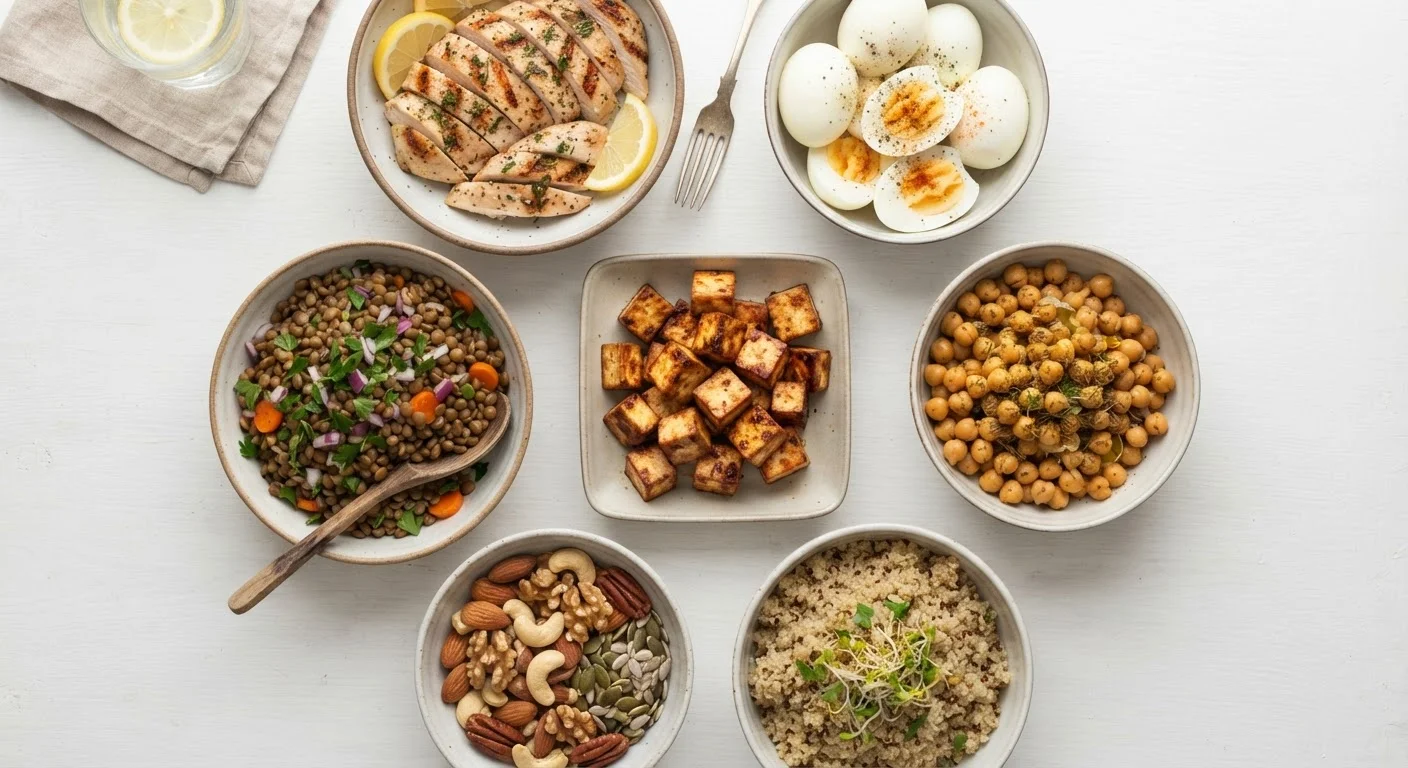
Photo: InsightsBlock.com | Access Information With Ease editorial
Key Takeaways
- Animal proteins are generally complete proteins, containing all nine essential amino acids in adequate ratios.
- Most plant proteins are incomplete individually, but strategic food combinations can supply a full amino acid profile.
- Digestibility differs: animal proteins are typically absorbed more efficiently than many plant-based alternatives.
- Both dietary patterns can support adequate protein intake when thoughtfully planned.
- Processing level significantly affects the nutritional value of any protein source, animal or plant.
What Makes a Protein 'Complete'?
Proteins are made up of amino acids - the body requires twenty in total, nine of which it cannot synthesise on its own. These are called essential amino acids (EAAs), and they must come from food. A protein source is considered complete when it supplies all nine EAAs in proportions the body can readily use.
Animal proteins - including meat, poultry, fish, eggs, and dairy - are almost universally complete. Plant proteins are a more varied picture. Soybeans and quinoa are notable exceptions that provide all nine EAAs, but most legumes, grains, and nuts are low in at least one. This doesn't make them nutritionally inadequate; it simply means variety becomes more important. Eating rice alongside beans, for instance, creates a complementary amino acid profile that covers all nine EAAs together. You don't need to combine them in a single meal - meeting the full range across a day is what matters.
Digestibility: How Much Protein Actually Gets Absorbed?
Protein quality isn't just about amino acid content - it's also about how efficiently the body can absorb and use it. Nutritional scientists use a metric called the Digestible Indispensable Amino Acid Score (DIAAS), which is currently the preferred measure of protein quality. Animal proteins - eggs, dairy, and lean meats - tend to score highest. Many plant sources score lower, partly because of compounds like phytates and tannins that can inhibit protein absorption.
That said, preparation methods matter significantly. Cooking, soaking, fermenting, and sprouting legumes and grains can substantially improve their digestibility. Processed plant protein concentrates and isolates (found in protein powders or meat alternatives) often have improved DIAAS scores, though they also undergo more processing - something worth weighing when considering how processing affects nutritional value.
| Animal Proteins | Plant Proteins | |
|---|---|---|
| Amino acid completeness | Complete (all 9 EAAs) | Often incomplete; exceptions include soy and quinoa |
| Digestibility (DIAAS) | Generally high | Moderate; improves with preparation |
| Saturated fat content | Often higher (varies by source) | Generally lower |
| Fibre content | None | Present in legumes, grains, nuts |
| Key micronutrients | B12, iron (heme), zinc, omega-3s (fish) | Fibre, polyphenols, potassium; B12 limited |
| Meal planning complexity | Lower - EAAs covered per serving | Higher - variety needed for full EAA profile |
Broader Nutritional Context
Protein sources don't arrive in isolation - they come packaged with fats, fibre, vitamins, and minerals that shape their overall health impact. Fatty fish provides omega-3 fatty acids alongside protein. Red meat brings iron and B12, nutrients that can be harder to source on fully plant-based diets. Legumes deliver fibre and polyphenols alongside their protein. Eggs offer choline, a nutrient critical for brain health.
Saturated fat is one consideration often cited in this comparison: many animal proteins - particularly processed meats and high-fat dairy - carry higher saturated fat loads. Current dietary guidance generally recommends moderating these. Conversely, the fibre found in plant protein sources supports gut health, which animal proteins largely lack. For a practical framework on building meals that incorporate these trade-offs, see our guide on building a balanced plate across dietary styles.
Diversify Within Each Category
Special Considerations and Practical Guidance
Certain populations have specific protein needs that may influence which sources are most appropriate. Older adults may benefit from higher overall protein intake to offset age-related muscle loss, and some research suggests animal protein may be marginally more effective at stimulating muscle protein synthesis - though evidence continues to evolve. Pregnant individuals, children, and people managing chronic conditions should consult a qualified healthcare professional before making significant dietary changes.
For those following plant-forward diets, paying attention to vitamin B12, iron, zinc, calcium, and omega-3 fatty acids is important, as these nutrients are less abundant or less bioavailable in plant foods. Supplementation or fortified foods may be appropriate in some cases - a registered dietitian can help assess individual needs. Regardless of dietary pattern, the principle remains consistent: prioritise whole food protein sources, vary your choices, and consider overall diet quality rather than focusing on any single food or category.
This article is for general informational and educational purposes only and does not constitute medical or nutritional advice. Consult a qualified healthcare professional or registered dietitian for guidance specific to your health circumstances.
The content provided on our blog site traverses numerous categories, offering readers valuable and practical information. Readers can use the editorial team’s research and data to gain more insights into their topics of interest. However, they are requested not to treat the articles as conclusive. The website team cannot be held responsible for differences in data or inaccuracies found across other platforms. Please also note that the site might also miss out on various schemes and offers available that the readers may find more beneficial than the ones we cover.