
Weekly Grocery Planning Checklist for More Balanced Eating

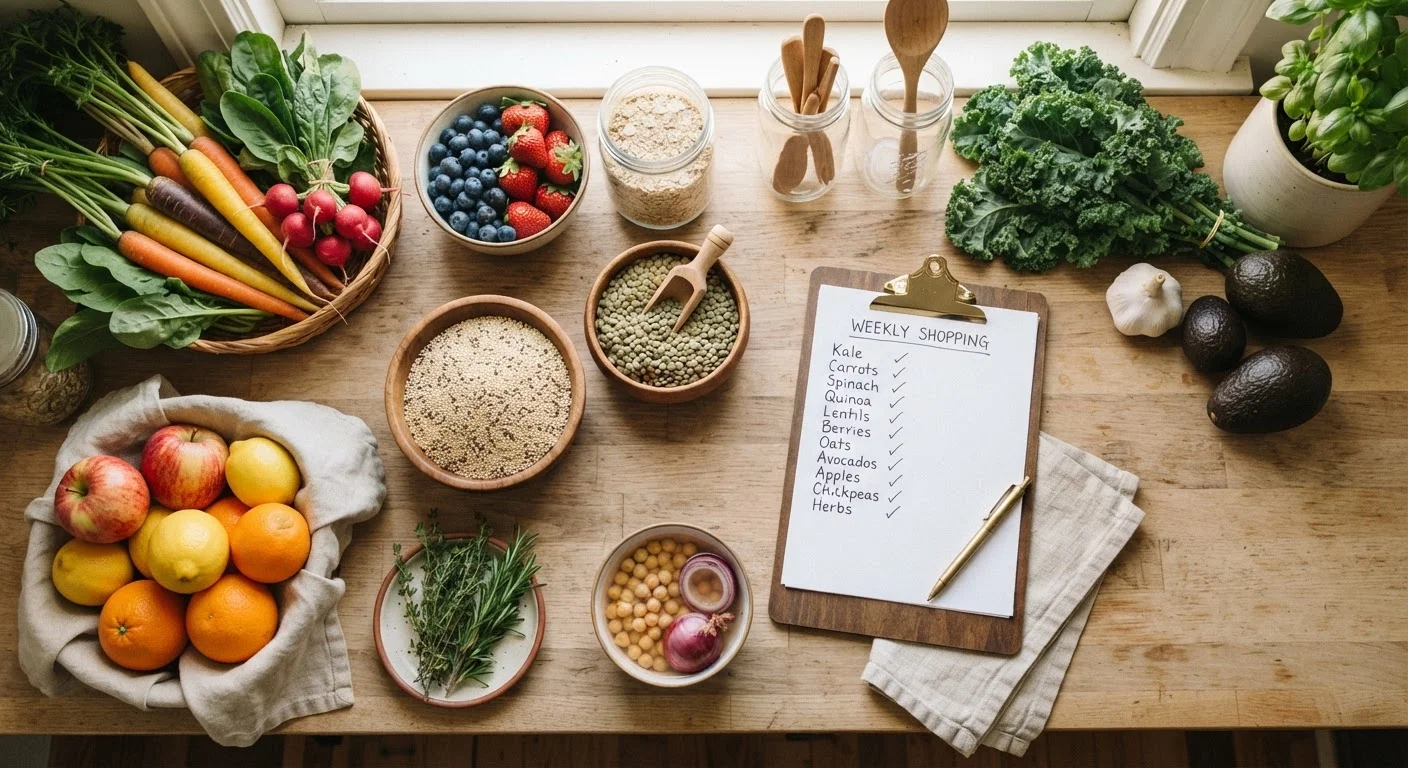
Photo: InsightsBlock.com | Access Information With Ease editorial
Key Takeaways
- Reviewing what you already have at home prevents duplicate purchases and reduces food waste.
- Planning meals before you shop keeps your cart aligned with your nutritional goals.
- Covering key food groups - vegetables, fruits, proteins, whole grains, and healthy fats - supports dietary balance.
- A realistic budget and a written list help reduce impulse buying and overspending.
- Batch-friendly staples and freezer-ready items make balanced eating easier on busy weekdays.
Why Weekly Grocery Planning Supports Balanced Eating
Consistent, nutritious eating rarely happens by accident. Without a clear plan, it's easy to fall back on convenience foods or make repeated trips to the store - costing both time and money. A structured weekly grocery planning routine helps you stay intentional about covering the food groups your body needs, while keeping waste and overspending in check.
This checklist is designed for everyday grocery trips, not any specific diet. Whether you eat meat, follow a plant-forward pattern, or somewhere in between, the underlying principles remain the same. For a deeper look at those shared principles, see Building a Balanced Plate - a useful companion to this checklist.
Work through the steps below before each grocery trip. The process takes 20-45 minutes once you've done it a few times, and it pays dividends throughout the week.
Before You Plan
Meal Planning
Building a Balanced Shopping List
At the Store and After
Tools That Make the Process Easier
You don't need specialized software to plan well, but the right tools reduce friction and help you stay consistent.
Grocery list app or notes app
Keeps your list organized, shareable with household members, and accessible at the store.
Weekly meal planner template
A simple grid - printable or digital - that maps meals to days so you can plan ingredients efficiently.
Kitchen inventory notepad or whiteboard
Tracks pantry and fridge stock so you know what needs replenishing before planning each week.
Budget tracking spreadsheet or app
Records weekly grocery spending so you can compare actual costs to your planned budget over time.
Once your grocery habits feel more routine, you may find it useful to connect your food spending with your broader budget. The Monthly Budget Review Checklist is a practical way to see how grocery spending fits your overall financial picture month to month.
Getting the Most from This Checklist
A few practices make this routine more effective over time. First, treat the checklist as a weekly habit rather than a one-time exercise - consistency is where the real benefit builds. Second, keep a running "pantry notes" section in your planning app or notebook so you always know what's low before shopping day.
If you're newer to thinking about nutrition fundamentals, Healthy Eating from Scratch offers a clear, beginner-friendly foundation covering food groups, portion awareness, and hydration - all of which inform smarter grocery choices.
Avoid Overly Rigid Meal Planning
Finally, remember that meal planning intersects with your emotional relationship with food. If you notice stress or rigidity around grocery decisions, a brief self-check-in can help. A Mental Wellness Check-In You Can Do Anytime offers a simple reflection framework you can use whenever you need it.
This article provides general nutrition and consumer information only and is not a substitute for personalized dietary advice. Consult a registered dietitian or qualified healthcare professional for guidance tailored to your individual health needs.
The content provided on our blog site traverses numerous categories, offering readers valuable and practical information. Readers can use the editorial team’s research and data to gain more insights into their topics of interest. However, they are requested not to treat the articles as conclusive. The website team cannot be held responsible for differences in data or inaccuracies found across other platforms. Please also note that the site might also miss out on various schemes and offers available that the readers may find more beneficial than the ones we cover.