
Fall Lawn Prep Tasks That Pay Off the Following Spring

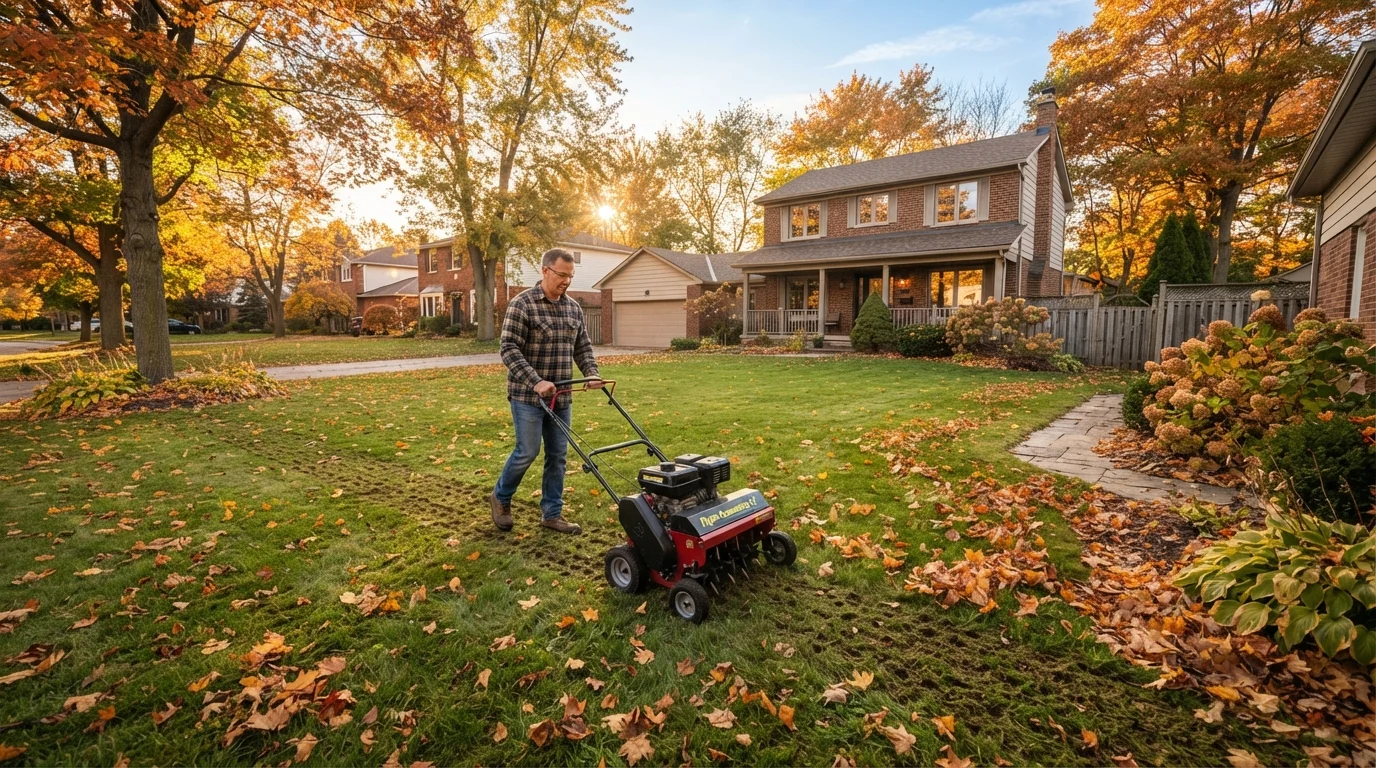
Photo: InsightsBlock.com | Access Information With Ease editorial
Key Takeaways
- Fall aeration and overseeding give cool-season grasses their strongest root growth opportunity of the year.
- A slow-release fall fertilizer feeds roots through dormancy without triggering vulnerable top growth.
- Removing leaves promptly prevents matting that smothers grass and breeds fungal disease.
- Winterizing irrigation and equipment now prevents costly damage when temperatures drop.
- Soil testing in fall gives you all winter to plan amendments before spring planting.
Why Fall Is the Most Valuable Lawn Care Season
Most homeowners put their lawn care energy into spring, but turf specialists consistently point to fall as the season where effort pays the highest dividends. Soil is still warm enough to support root growth, air temperatures have dropped so grass isn't stressed by heat, and weed competition is at its lowest point of the year. That combination creates a narrow but powerful window - typically from late August through early November depending on your climate zone - to strengthen the lawn before it goes dormant.
This checklist is organized by task category so you can work through it methodically. Some tasks - like mowing height adjustments - take minutes. Others, like overseeding thin patches, require a few consecutive days of follow-up watering. Use the priority labels to focus on what matters most if your schedule or budget is limited.
For a broader seasonal perspective, see the year-round lawn and garden care playbook that covers every season across US climate zones.
Soil Preparation
Overseeding and Repair
Fertilizing
Mowing and Leaf Management
Weed Control
Irrigation and Equipment Winterization
Tools and Supplies You'll Need
Having the right equipment on hand before you start prevents mid-project delays. Below are the core tools for this checklist. Many items - particularly aerators - can be rented from hardware or garden centers, which keeps costs manageable for a one-time seasonal task.
Core Aerator
Removes small plugs of soil to relieve compaction and improve root-zone access to air and water.
Broadcast or Drop Spreader
Distributes grass seed and granular fertilizer evenly across the lawn surface.
Soil Test Kit
Measures soil pH and basic nutrient levels so amendments can be targeted rather than guessed.
Mulching Lawn Mower
Finely chops fallen leaves in place, returning organic matter to the soil instead of bagging and hauling.
Lawn Rake or Leaf Blower
Gathers and removes leaf litter that would otherwise mat and smother grass over winter.
Compressed Air Blower (for irrigation)
Purges water from underground irrigation lines to prevent freeze damage - typically requires a professional operator.
Before purchasing any fertilizer or soil amendment, consider running a simple soil test first. County cooperative extension offices across the US often offer low-cost testing, and results will tell you exactly what your lawn needs rather than leaving you guessing.
Avoiding Common Fall Lawn Mistakes
Even well-intentioned fall lawn care can backfire if a few key mistakes are made. Applying too much nitrogen late in the season, for example, can push soft leafy growth that gets damaged by frost. Overseeding without aerating first often results in poor seed-to-soil contact and disappointing germination rates.
Don't Overseed Right After Applying Herbicide
Late-Season Fertilizing: Timing Matters Greatly
It's also worth revisiting assumptions you may have inherited about lawn care. Some widely repeated advice - like cutting grass very short before winter - can actually harm turf health. Our article on common lawn care myths unpacks several practices that sound logical but often do more harm than good.
Finally, don't overlook your irrigation system. Even a mild freeze can crack pipes and damage heads left full of water. Shutting down and blowing out the system before the first hard frost is one of the highest-return tasks on this entire checklist.
The content provided on our blog site traverses numerous categories, offering readers valuable and practical information. Readers can use the editorial team’s research and data to gain more insights into their topics of interest. However, they are requested not to treat the articles as conclusive. The website team cannot be held responsible for differences in data or inaccuracies found across other platforms. Please also note that the site might also miss out on various schemes and offers available that the readers may find more beneficial than the ones we cover.