
Year-Round Lawn and Garden Care: A Seasonal Playbook for US Homeowners

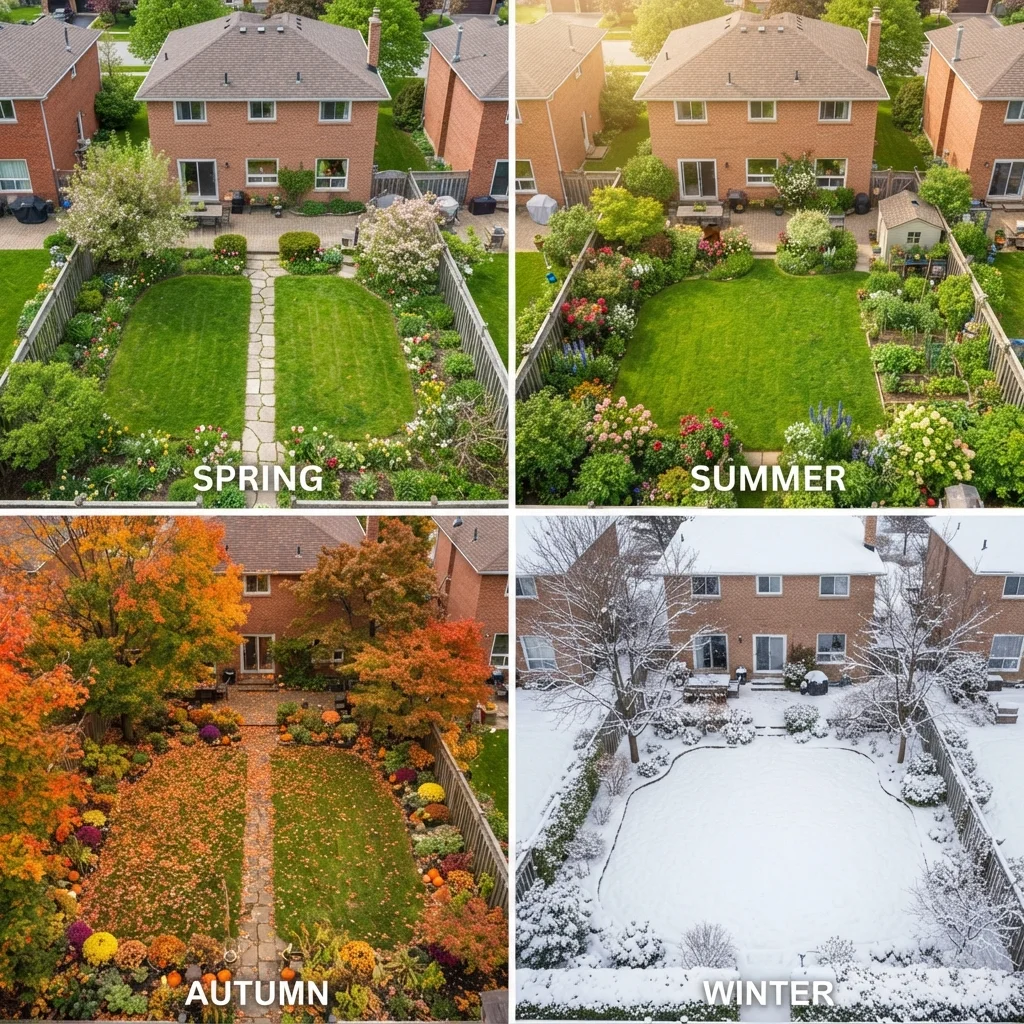
Photo: InsightsBlock.com | Access Information With Ease editorial
Key Takeaways
- Fall fertilization and overseeding deliver more long-term lawn benefit than spring applications.
- Soil testing every two to three years removes the guesswork from fertilizer and amendment choices.
- Watering deeply and infrequently encourages deep root growth that resists drought and heat stress.
- Your USDA hardiness zone determines planting windows but not everything - local microclimates matter too.
- Most lawn and garden problems are easier and cheaper to prevent than to correct after they appear.
Why Seasonal Lawn Care Matters
A yard that looks great in July rarely gets there by accident. Behind healthy turf and productive garden beds is a calendar of deliberate, timed actions that align with how plants actually grow. Miss the right window and you spend twice as much correcting the problem later.
Seasonal care also matters because grass and garden plants have distinct growth cycles - cool-season grasses like tall fescue and Kentucky bluegrass grow most vigorously in spring and fall, while warm-season grasses like Bermuda and Zoysia peak in summer heat. Treating them the same way year-round ignores their biology entirely.
This guide walks through what to do - and why - in each season, so you can build a realistic routine rather than react to problems as they appear. For a broader look at how seasonal thinking applies around your whole home, the seasonal home walkthrough guide is a useful companion.
40%
of US household water used outdoors
According to the US Environmental Protection Agency, roughly 40% of household water use occurs outdoors, with a significant portion lost to inefficient irrigation.
2-3 inches
Ideal mulch depth for weed suppression
University extension research consistently cites 2-3 inches as the effective range - deep enough to block light from weed seeds, shallow enough to avoid stem rot.
1/3 rule
Maximum grass blade removal per mowing
Turf science guidelines widely recommend never removing more than one-third of the grass blade in a single mowing session to minimize stress on the plant.
Spring: Restart, Repair, and Seed
Spring is about assessment before action. Walk your lawn after the last frost and note thin patches, compacted areas, and any winterkill before reaching for a bag of seed or fertilizer.
Key Spring Tasks
- Soil test first: A basic soil test (available through most cooperative extension offices for a modest fee) tells you your pH and nutrient levels. Applying fertilizer without knowing your soil's starting point wastes money and can damage the lawn.
- Overseed bare patches: For cool-season grasses, early-to-mid spring works well. Warm-season grass seed germinates best once soil temperatures consistently reach 65-70°F.
- Dethatch if needed: A thatch layer thicker than ½ inch can block water and nutrients. Dethatching machines can be rented from most equipment rental companies.
- Edge beds and mulch: Fresh mulch (2-3 inches deep) retains moisture, moderates soil temperature, and suppresses weeds. Avoid piling mulch against plant stems, which encourages rot.
Before seeding, be cautious with pre-emergent herbicides - they prevent germination and will block grass seed as effectively as weed seed. Time applications carefully or skip them in areas you plan to reseed.
Common lawn care myths - like mowing very short to slow regrowth - can undo your spring work before summer begins. It is worth reviewing the evidence before committing to habits passed down from neighbors or family.
Get your soil tested before you buy any amendment or fertilizer. A $15-$25 extension office test tells you exactly what your soil needs - and what it doesn't - so you stop guessing and start spending only where it counts.
Sharpen your mower blade at least once per season. A dull blade tears grass instead of cutting it cleanly, leaving ragged tips that turn brown and become entry points for disease.
When overseeding in fall, water the seeded area lightly every day until germination, then transition to a deep-and-infrequent schedule. Seed needs consistent surface moisture to sprout, but new seedlings need to learn to reach deep for water.
Summer: Manage Heat and Water Wisely
Summer lawn care is largely about protection rather than promotion. Most grass varieties are not actively growing during peak heat and pushing them with heavy fertilizer or aggressive mowing causes more harm than good.
Watering Principles That Actually Work
The most effective approach is watering deeply and infrequently - typically 1 to 1.5 inches per week, applied in one or two sessions rather than daily light sprinkles. Shallow daily watering keeps roots close to the surface, making turf more vulnerable to drought and heat stress. Early morning is the ideal time: water reaches roots before evaporation peaks, and foliage dries before nightfall, reducing disease risk.
Mowing Height Matters More in Summer
Raise your mowing height by half an inch to an inch compared to spring. Taller grass blades shade the soil, retain moisture, and suppress weed germination. Never remove more than one-third of the blade height in a single mowing - this is a reliable rule across almost all grass types.
Garden beds benefit from consistent deadheading (removing spent blooms) to extend flowering, and from a second layer of compost worked in around perennials. If you are not already composting kitchen and yard scraps, our guide to home composting explains how to start a pile that produces usable material within a few months.
Fall: The Most Important Season for Lawn Health
Ask most lawn care professionals which season matters most and they will say fall - and for good reason. Cooler temperatures and consistent moisture create ideal conditions for root development, making fall the single best window for seeding, fertilizing, and aerating.
Aeration and Overseeding
Core aeration - pulling small plugs of soil from the lawn - relieves compaction and allows fertilizer, water, and oxygen to reach the root zone more effectively. For cool-season grasses, pair aeration with overseeding in early fall (roughly six weeks before the first expected frost). Seed-to-soil contact is critical: the aeration holes provide ideal germination pockets.
Fall Fertilization
A slow-release nitrogen fertilizer applied in fall supports root growth and carbohydrate storage that feeds the grass through winter dormancy and fuels spring green-up. This is generally more effective than heavy spring feeding, which pushes top growth at the expense of roots.
Leaf and Bed Management
A thin layer of chopped leaves mowed into the lawn adds organic matter. Thick unmanaged layers block light and encourage fungal disease, so rake or mow heavy accumulations promptly. Cut perennials back selectively - some seed heads provide winter wildlife habitat and visual structure; others harbor pests and disease and are better removed.
Winter: Soil Prep and Off-Season Planning
Winter is not a pause - it is preparation time. In most US regions, the lawn is dormant but the soil is still active at a microbial level, especially in mild-winter climates.
What to Do During Dormancy
- Avoid foot traffic on frozen or frost-covered grass. Dormant turf is brittle, and repeated compression damages crowns that won't recover until spring.
- Amend raised beds and garden soil: Work in compost or aged manure now so it integrates before spring planting. This is especially valuable in heavy clay or sandy soils.
- Service your equipment: Sharpen mower blades, drain fuel from two-stroke engines, and inspect hoses and irrigation components for cracks before you need them again.
- Plan next year's layout: Rotate annual vegetables to reduce disease and pest buildup in the same soil. Sketch out where perennials, bulbs, and new beds will go while the information is fresh.
In warmer USDA zones (8-11), cool-season annuals and vegetables can be actively grown through winter. Kale, collards, pansies, and snapdragons are productive when northern gardeners are entirely dormant.
Understanding Your Climate Zone
The USDA Plant Hardiness Zone Map divides the US into zones based on average annual minimum winter temperatures. It is a useful starting point for determining which perennial plants survive your winters, but it does not account for summer heat, humidity, or rainfall - all of which shape your lawn and garden calendar significantly.
The American Horticultural Society's Plant Heat Zone Map complements USDA zones by tracking the number of days per year above 86°F, the temperature at which many plants begin to suffer heat damage. Gardeners in the Southeast, for example, deal with both high heat days and high humidity that amplify disease pressure - a combination that requires different variety selection and watering habits than gardeners in the arid Southwest who share the same USDA zone.
Practical implications by region:
- Pacific Northwest: Mild, wet winters allow year-round gardening; focus on drainage and fungal disease management.
- Upper Midwest and Northeast: Short growing seasons reward early indoor seed-starting and cold-hardy varieties.
- Southeast and Gulf Coast: Warm-season grasses dominate; irrigation and fungal management are persistent priorities.
- Arid Southwest: Drought-tolerant native plantings reduce water demand; soil amendment and mulching are essential.
Your local cooperative extension service - operated through land-grant universities and available in every US state - publishes region-specific planting calendars and pest guides that are more accurate than general national advice. Using them is one of the most practical steps any homeowner can take. Much like a whole-home seasonal inspection, knowing your zone turns a vague intention into a specific, timed action.
The content provided on our blog site traverses numerous categories, offering readers valuable and practical information. Readers can use the editorial team’s research and data to gain more insights into their topics of interest. However, they are requested not to treat the articles as conclusive. The website team cannot be held responsible for differences in data or inaccuracies found across other platforms. Please also note that the site might also miss out on various schemes and offers available that the readers may find more beneficial than the ones we cover.