
Zero-Based Budgeting Explained

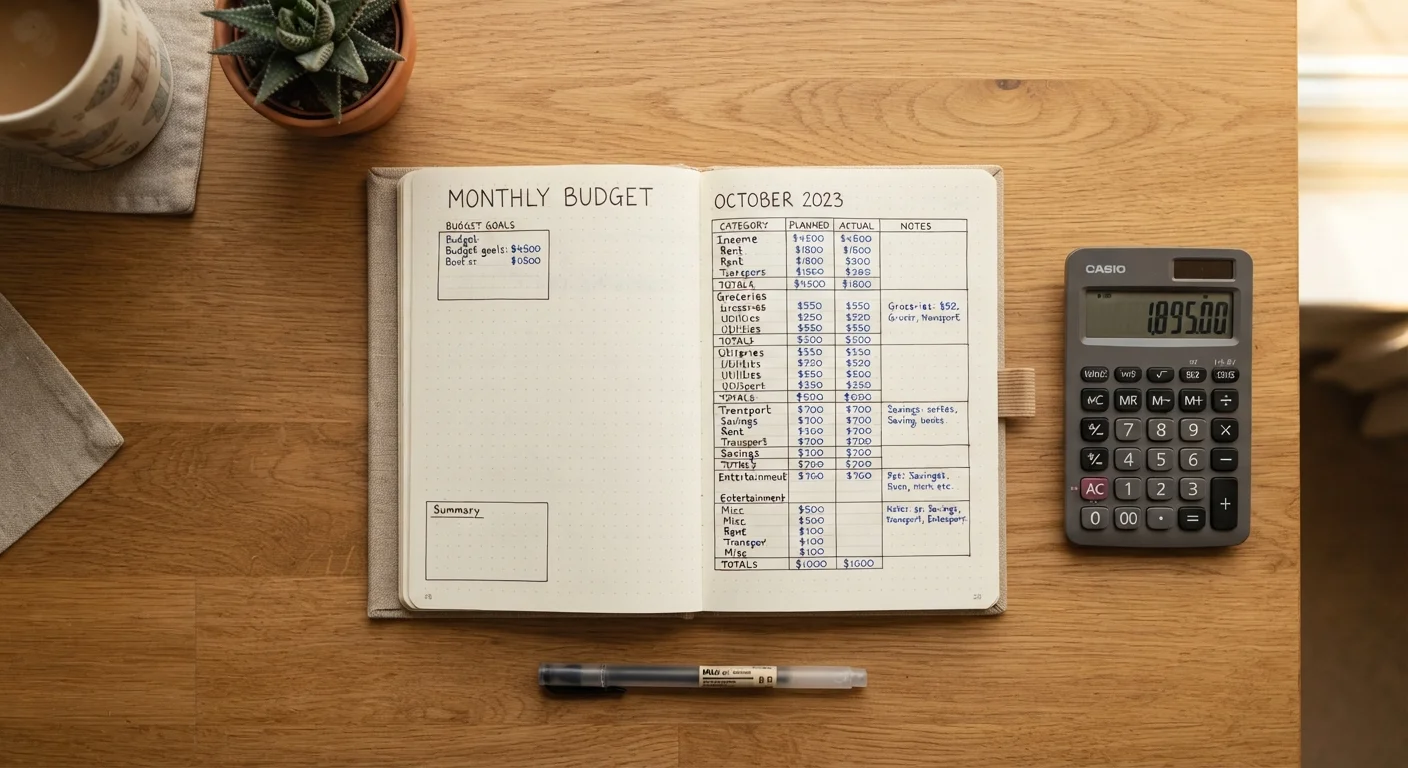
Photo: InsightsBlock.com | Access Information With Ease editorial
Key Takeaways
- Every dollar of income is assigned a category before the month begins - none is left unplanned.
- ZBB requires more upfront effort than percentage-based methods but gives granular control.
- It works for any income level, including irregular or variable incomes with some adaptation.
- The method resets each month, so last month's mistakes don't carry forward as assumptions.
- Consistent monthly reviews are essential to making zero-based budgeting effective over time.
How Zero-Based Budgeting Actually Works
The mechanics are straightforward: take your total monthly income and distribute it across expense categories until the remainder is zero. Every category - rent, groceries, utilities, subscriptions, dining out, savings, emergency fund contributions - gets a specific dollar amount assigned before the month begins.
Here's a simplified illustration. If your take-home pay is $3,500, your budget might look like this:
- Rent: $1,100
- Groceries: $350
- Transportation: $200
- Utilities: $120
- Subscriptions: $60
- Dining out: $150
- Emergency fund: $200
- Retirement savings: $300
- Clothing: $75
- Personal/misc: $145
- Debt repayment: $800
Total: $3,500. Every dollar is accounted for. Nothing is left floating.
The budget resets at the start of each month, which prevents bad assumptions from one period drifting into the next. If you overspent on dining out in February, March's budget isn't automatically inflated to reflect that - you decide deliberately what each category gets.
Start With Last Month's Bank Statement
Who Benefits Most From This Method
Zero-based budgeting tends to deliver the most value for people who feel their money disappears without explanation, those working to eliminate debt aggressively, and anyone whose income covers the basics but leaves little visible room for savings. The discipline of assigning every dollar forces clarity that looser methods don't.
It's also well-suited to people who enjoy structure and are willing to spend time on financial planning. If you find detailed tracking satisfying rather than exhausting, ZBB plays to that strength.
It's a harder fit for households with highly unpredictable income - freelancers, commission-based workers, seasonal earners - though it's not impossible. The workaround is budgeting from a conservative income floor and treating any surplus as a separate allocation decision. The effort is higher, but the payoff in financial visibility is significant.
~73%
Americans living paycheck to paycheck at some point
Multiple surveys over recent years have consistently found that a substantial majority of US adults report difficulty covering expenses between pay periods, highlighting the need for structured budgeting approaches.
$500-$1,000
Typical emergency fund gap for US households
Federal Reserve research on economic well-being has found that a significant share of US adults would struggle to cover an unexpected $400-$1,000 expense without borrowing or selling something.
1-2 hrs
Estimated time for initial ZBB setup
Personal finance educators generally estimate that first-time zero-based budgeters spend one to two hours on initial category setup, with monthly maintenance dropping to under an hour once the framework is established.
If you're new to budgeting entirely, it may help to spend a month simply tracking what you spend before attempting ZBB. Our ground-up monthly budget walkthrough is a practical starting point.
Common Pitfalls and How to Avoid Them
The most frequent mistake is setting categories based on what you wish you spent rather than what you actually spend. If your grocery bill runs $400 but your budget says $250, you'll be over-budget every single month - not because you failed, but because your plan was disconnected from reality. Pull three months of bank or credit card statements before building your first zero-based budget.
A second common error is forgetting irregular expenses: car registration, annual subscriptions, holiday gifts, medical copays. These aren't monthly but they're predictable. Divide the annual cost by 12 and build a sinking fund category for each. This prevents those expenses from blowing up an otherwise solid month.
Finally, ZBB demands a consistent end-of-month review - comparing planned spending to actual spending and recalibrating. Skipping this step turns ZBB into an exercise in wishful planning. Our monthly budget review checklist gives you a structured process for that step.
For those weighing whether ZBB or a simpler percentage-based approach fits better, see our comparison of the 50/30/20 rule and zero-based budgeting for a direct breakdown of trade-offs.
ZBB Doesn't Require Perfection
This article is for general informational and educational purposes only and does not constitute personalized financial advice. Consider consulting a licensed financial professional for guidance specific to your situation.
Frequently Asked Questions
The content provided on our blog site traverses numerous categories, offering readers valuable and practical information. Readers can use the editorial team’s research and data to gain more insights into their topics of interest. However, they are requested not to treat the articles as conclusive. The website team cannot be held responsible for differences in data or inaccuracies found across other platforms. Please also note that the site might also miss out on various schemes and offers available that the readers may find more beneficial than the ones we cover.