
Debt Avalanche vs. Debt Snowball: Two Payoff Strategies Compared

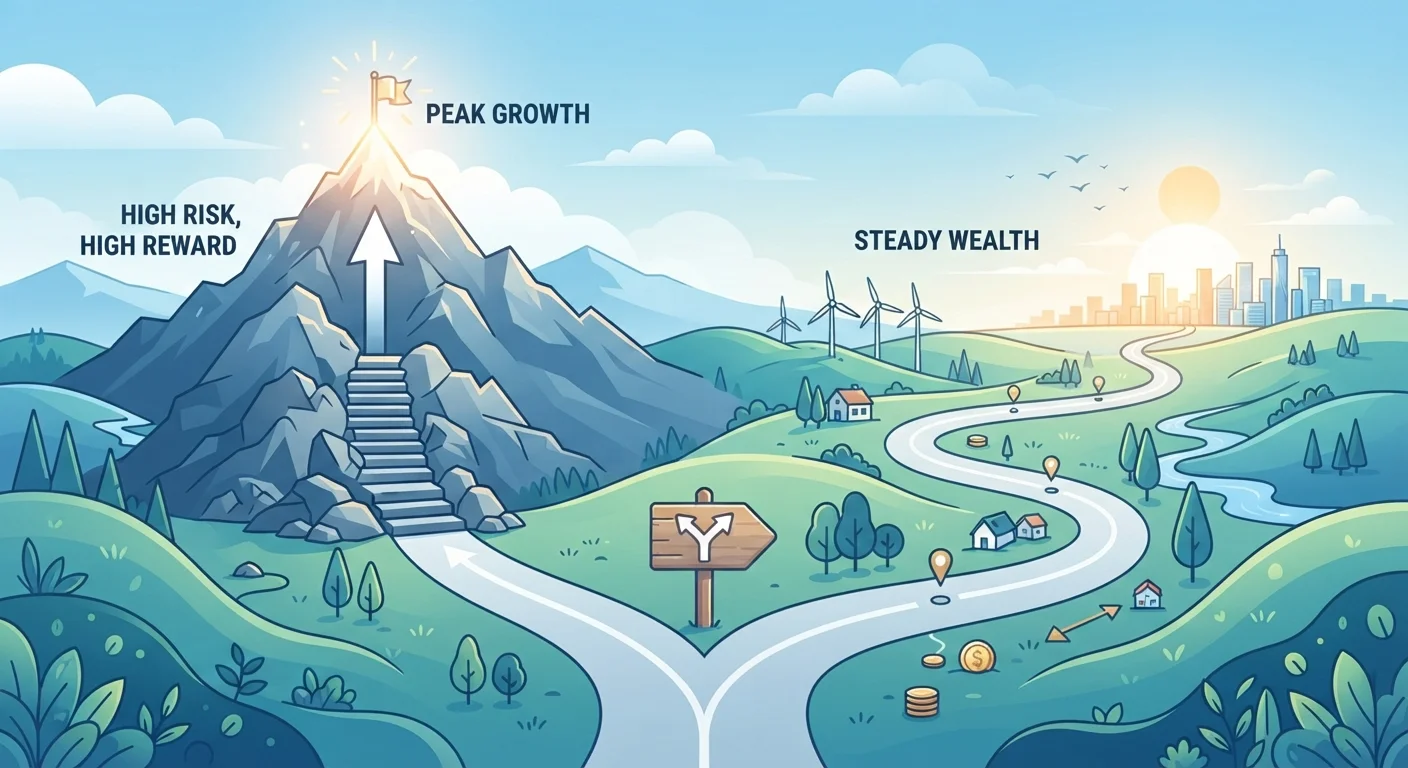
Photo: InsightsBlock.com | Access Information With Ease editorial
Key Takeaways
- The debt avalanche targets highest-interest balances first, minimizing total interest paid over time.
- The debt snowball pays off smallest balances first, generating motivational momentum through quick wins.
- Both methods require paying minimums on all debts while directing extra funds to a priority account.
- Research suggests behavior and consistency matter more than mathematical optimization for real-world success.
- Your choice should reflect your personality, debt mix, and what keeps you committed long-term.
- Either strategy outperforms making only minimum payments across all accounts.
How Each Method Works
Both strategies share the same basic structure: pay the minimum on every debt each month, then direct any additional funds toward one priority account. The difference is which debt gets that extra attention first.
Debt Avalanche: List your debts by interest rate, highest to lowest. Put all extra payments toward the highest-rate balance until it's gone, then roll that payment amount into the next highest-rate debt. Repeat until you're debt-free. Because you're eliminating the most expensive debt first, you pay less interest overall.
Debt Snowball: List your debts by balance, smallest to largest, regardless of interest rate. Attack the smallest balance with all extra funds first, then roll that freed-up payment into the next smallest. Each payoff produces a concrete result, reinforcing the behavior. This approach, popularized by financial educator Dave Ramsey, is grounded in the idea that emotional wins drive long-term commitment.
If you're still building a foundational understanding of what you owe, see our guide to getting started with debt before choosing a strategy.
| Criterion | Debt Avalanche | Debt Snowball |
|---|---|---|
| Payoff order | Highest interest rate first | Smallest balance first |
| Total interest paid | Lower (mathematically optimal) | Potentially higher |
| Time to first payoff | Longer if high-rate debt is large | Faster - smallest balance cleared first |
| Motivational structure | Delayed gratification | Frequent, visible wins |
| Best debt mix | Wide spread in interest rates | Many accounts of varying sizes |
| Requires | Discipline and patience | Momentum and consistency |
| Research backing | Mathematically proven to save money | Behavioral research supports higher completion rates |
The Trade-Offs: Math vs. Motivation
The core tension between these strategies is quantifiable savings versus sustainable behavior. The avalanche is the objectively cheaper route - by reducing the principal on high-rate debt sooner, less interest compounds over time. Depending on your debt mix, this could translate to hundreds or even thousands of dollars saved.
However, a 2012 study published in the Journal of Marketing Research by Amar, Ariely, and colleagues found that people are more likely to eliminate debt when they focus on paying off individual accounts entirely, even when that isn't the most cost-efficient sequence. The snowball's pattern of account closures produces measurable psychological reinforcement.
~$1,000+
Potential interest savings with avalanche method
The exact figure varies by debt size and rate spread, but financial modeling consistently shows the avalanche saves more for borrowers with high-rate balances.
54%
Americans carrying credit card debt month-to-month
According to the Federal Reserve's Survey of Consumer Finances, a majority of US cardholders carry balances, making repayment strategy selection widely relevant.
20%+
Average credit card APR in recent years
The Federal Reserve has tracked average credit card interest rates above 20% annually in recent periods, underscoring the cost of carrying high-rate balances.
The practical implication: a strategy you abandon halfway through costs more than any suboptimal sequencing. If the avalanche leaves you grinding toward a large, slow-moving balance with no visible finish line for months, the snowball may keep you on track longer - and produce a better real-world outcome.
It's also worth noting that neither strategy exists in isolation. If a windfall arrives, you may want to reconsider priorities altogether. Our comparison of lump-sum saving versus paying down debt addresses exactly that question.
When the Choice Is Less Clear-Cut
Some debt situations make the choice straightforward; others don't. A few scenarios worth considering:
- Mixed debt types: Student loans often carry lower rates than credit cards. An avalanche approach would target the cards first - which usually makes sense. For more on repayment structures specific to student loans, see how student loan repayment plans work.
- Consolidation as an alternative: If you're managing several accounts and find tracking exhausting, consolidating may simplify your picture. Understand the trade-offs first in our explainer on how debt consolidation works.
- Low or zero-interest debt: If some of your debt carries no interest (e.g., a 0% promotional balance), it may be rational to deprioritize it under both methods, since it's not costing you anything while it sits.
Either method outperforms the default of making minimum payments across all accounts - which extends repayment timelines significantly and maximizes total interest paid. The goal is to choose a structure and stick with it.
This article is for general informational purposes only and does not constitute personalized financial, tax, or legal advice. Consult a qualified financial professional before making decisions specific to your situation.
The content provided on our blog site traverses numerous categories, offering readers valuable and practical information. Readers can use the editorial team’s research and data to gain more insights into their topics of interest. However, they are requested not to treat the articles as conclusive. The website team cannot be held responsible for differences in data or inaccuracies found across other platforms. Please also note that the site might also miss out on various schemes and offers available that the readers may find more beneficial than the ones we cover.