
Brushing, Bathing, and Beyond: A Dog Grooming Routine That Actually Works

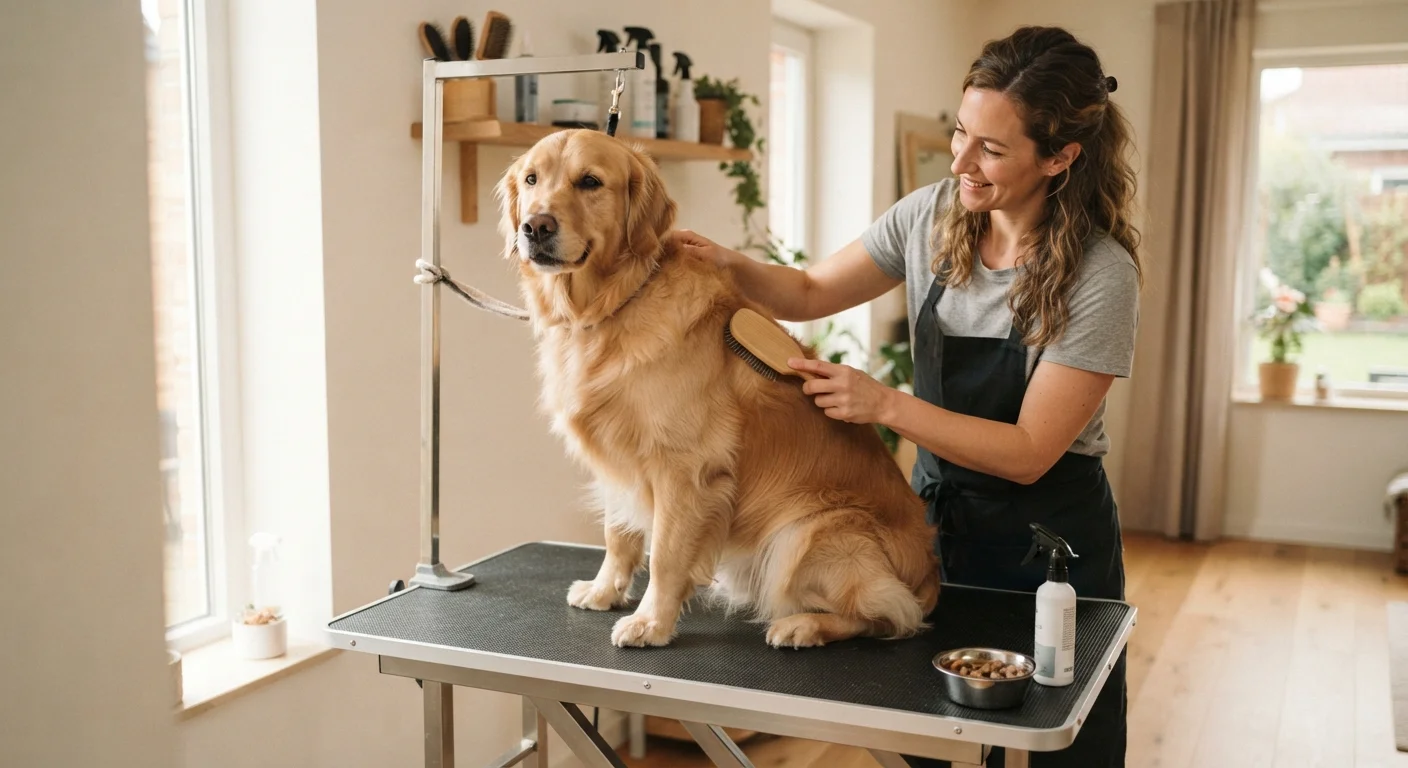
Photo: InsightsBlock.com | Access Information With Ease editorial
Key Takeaways
- Regular brushing prevents painful mats and reduces shedding regardless of coat type.
- Most dogs need a bath every four to six weeks, though this varies by breed and activity level.
- Nail trims, ear checks, and dental care are essential parts of a complete grooming routine.
- Starting grooming habits early - and keeping sessions positive - reduces anxiety over time.
- Some grooming tasks are best left to a professional groomer or veterinarian.
Why a Grooming Routine Matters More Than You Think
Grooming is often framed as a cosmetic concern, but it's genuinely tied to your dog's health. Matted fur can trap moisture and bacteria against the skin. Overgrown nails alter gait and put stress on joints. Dirty ears become breeding grounds for infection. When you build a consistent routine, you're not just keeping your dog tidy - you're catching early signs of skin irritation, lumps, or parasites before they become serious problems.
If you've just welcomed a new pet, our guide for first-time dog owners covers how to introduce grooming tools and handling during those crucial early weeks. And if your dog is exhibiting unusual behaviors like excessive paw licking, those may actually be skin-related - learn when those habits signal something worth investigating.
What you will need
Tools You'll Need Before You Start
Having the right tools on hand makes every session go smoother - for you and your dog. The specific tools you need depend on your dog's coat type, but these cover most situations.
Slicker brush
Removes loose fur, light tangles, and debris from most coat types.
Dematting comb or wide-tooth comb
Works through mats and tangles on medium to long coats without pulling painfully.
Dog nail clippers or grinder
Trims nails to a safe length to prevent overgrowth and joint strain.
Dog-formulated ear cleaner
Gently dissolves wax and debris in the ear canal without causing irritation.
Dog-specific shampoo
Cleans the coat while preserving the skin's natural pH balance.
Rubber curry brush or deshedding tool
Loosens undercoat on heavy-shedding breeds during bath prep or dry brushing.
Dog toothbrush and enzyme toothpaste
Removes plaque and supports gum health as part of a dental care routine.
Styptic powder
Quickly stops minor bleeding if you accidentally nick the quick during a nail trim.
Step-by-Step: Your At-Home Grooming Routine
Work through these steps in order during each full grooming session. Not every step needs to happen every time - nail trims and baths have their own frequency - but doing a quick check of each area regularly helps you stay ahead of problems.
Brush the coat thoroughly before bathing
Always brush before you bathe. Water tightens mats and makes them significantly harder to remove. Work in sections from the skin outward, and pay extra attention to high-friction areas: behind the ears, under the collar, in the armpits, and around the hindquarters. For short-coated dogs, a quick pass with a rubber curry brush loosens dead fur effectively. For double-coated or long-haired breeds, use a wide-tooth comb after the slicker brush to confirm you've reached the undercoat.
Check and clean the ears
Lift each ear flap and look inside. A healthy ear is light pink, has minimal odor, and shows only small amounts of pale wax. Apply a vet-approved ear cleaner to a cotton ball and gently wipe the visible inner flap and the opening of the canal - never insert cotton swabs or probe deeper than you can see. If you notice dark discharge, strong odor, redness, or your dog is scratching at their ears frequently, contact your veterinarian before cleaning further.
Trim the nails
Nail trims are one of the tasks owners most commonly skip - and one of the most important. Overgrown nails curl into the paw pad or cause the toes to splay, which over time affects posture and gait. Clip small amounts at a time using sharp dog nail clippers or a grinder, and stop before you reach the pink quick (the blood vessel inside the nail). On dark nails, the quick isn't visible - clip very small increments and stop when the cut surface shows a grayish-white oval center. Have styptic powder nearby in case of a nick.
Bathe your dog with appropriate shampoo
Wet your dog thoroughly with lukewarm water, then apply dog-formulated shampoo from neck to tail - avoid the face, ears, and eyes. Work the shampoo down to the skin and rinse completely. Shampoo residue left in the coat is a common cause of skin irritation. For dogs with skin conditions, medicated or hypoallergenic shampoos may be appropriate, but always confirm the right product with your vet. Towel dry thoroughly and use a low-heat dryer if your dog tolerates it - especially important for thick double coats.
Brush the coat again after drying
Once the coat is fully or mostly dry, do a final brush-through to separate any clumps that formed during drying and to restore the coat's natural lie. This second brush is also when mats that loosened during bathing become easier to work out. Skipping this step on long-coated dogs often results in new tangles forming as the coat dries.
Brush teeth as a closing step
Introduce teeth brushing gradually - start by letting your dog lick enzyme toothpaste from your finger before working up to a toothbrush. Use only toothpaste formulated for dogs; human toothpaste contains ingredients toxic to them. Aim to brush all outer tooth surfaces using small circular motions, focusing on the back molars and canines where tartar accumulates fastest. Daily brushing is the gold standard, but even a few sessions a week provides meaningful benefit.
Keep Sessions Short and Positive
Grooming Frequency: A Quick Reference
How often each task needs to happen depends heavily on your dog's breed, coat type, and lifestyle. Use this as a general guide, and adjust based on what you observe:
| Task | Typical Frequency |
|---|---|
| Brushing (short coat) | Once or twice a week |
| Brushing (long or double coat) | Three to seven times a week |
| Bathing | Every four to six weeks |
| Nail trimming | Every three to four weeks |
| Ear check and cleaning | Every two to four weeks |
| Teeth brushing | Daily or as often as possible |
Dental care deserves its own attention - our companion guide on dog dental health explains why most owners underestimate this task and what plaque buildup actually leads to over time.
It's also worth reviewing common dog care mistakes to make sure your overall care routine is on solid footing - grooming is just one part of the picture.
This article is for general informational purposes and does not constitute veterinary advice. Always consult your veterinarian if you notice changes in your dog's skin, coat, ears, or nails that concern you.
The content provided on our blog site traverses numerous categories, offering readers valuable and practical information. Readers can use the editorial team’s research and data to gain more insights into their topics of interest. However, they are requested not to treat the articles as conclusive. The website team cannot be held responsible for differences in data or inaccuracies found across other platforms. Please also note that the site might also miss out on various schemes and offers available that the readers may find more beneficial than the ones we cover.