
Dog Vaccination Schedule: Which Shots Dogs Need and When

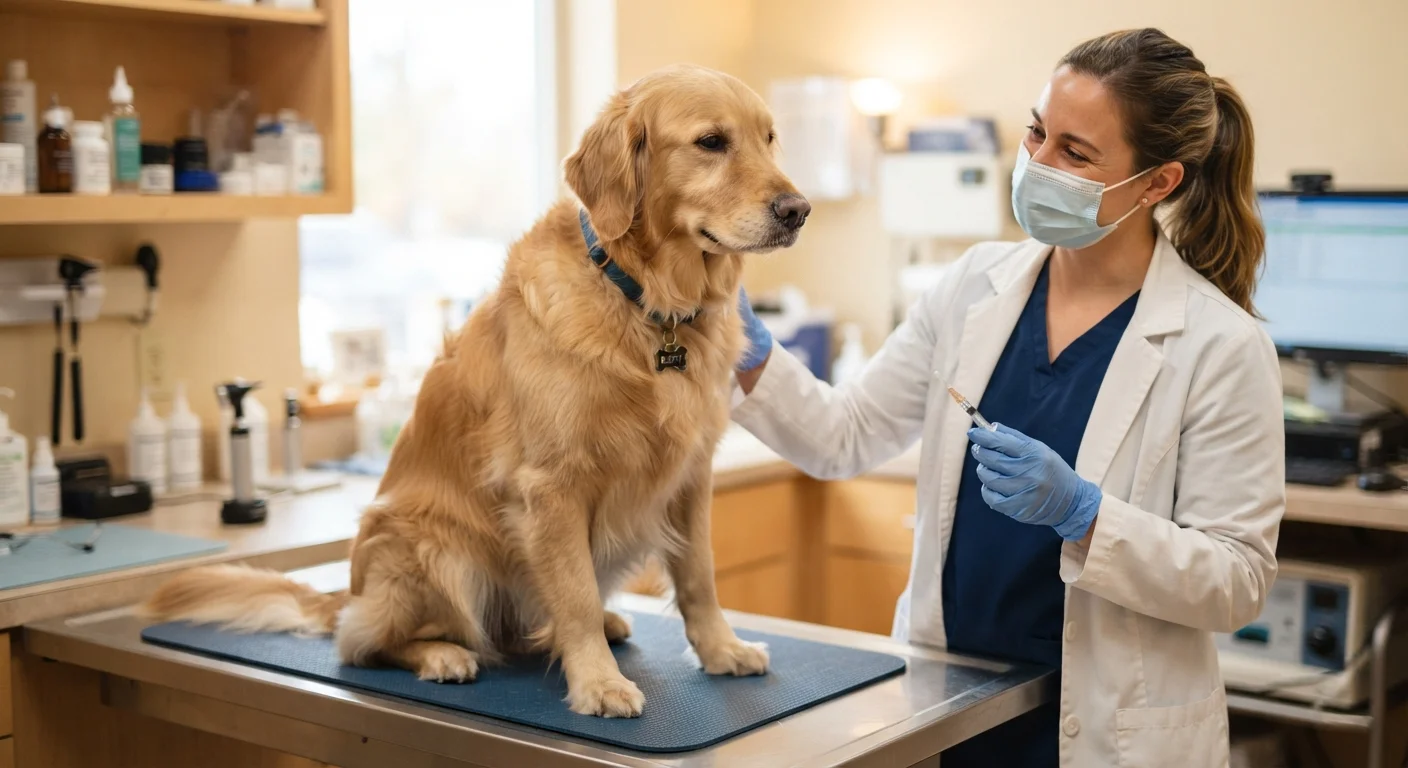
Photo: InsightsBlock.com | Access Information With Ease editorial
Core vs. Non-Core Vaccines: What the Terms Mean
Veterinarians divide dog vaccines into two categories: core and non-core. Core vaccines are recommended for virtually every dog, regardless of lifestyle, because the diseases they prevent are either highly contagious, potentially fatal, or pose a risk to humans. Non-core vaccines are given based on a dog's individual risk factors - where they live, how much they interact with other animals, and their environment.
Core vaccine
A vaccine recommended for all dogs regardless of lifestyle, because the disease it prevents is widely prevalent, severe, or transmissible to humans. Examples include rabies and DA2PP.
Non-core vaccine
A vaccine given only when a dog's individual risk factors - such as geographic location, activities, or exposure to other animals - make it appropriate. Examples include Bordetella and Lyme disease vaccines.
Booster
A follow-up vaccine dose given after the initial series to maintain or restore protective immunity over time. Booster intervals vary by vaccine type and local regulations.
Titer test
A blood test that measures the level of antibodies present for a specific disease, used to assess whether an animal still has sufficient immunity before administering a booster.
DA2PP
A combination vaccine protecting against Distemper, Adenovirus-2, Parvovirus, and Parainfluenza - four of the most serious and contagious viral diseases in dogs.
Understanding this distinction helps you have a more productive conversation with your vet and ensures your dog receives protection tailored to their actual exposure risks - not just a one-size-fits-all protocol.
Core Vaccines and Typical Timing
The following vaccines are considered core for dogs in the United States by the American Animal Hospital Association (AAHA):
| First puppy vaccine | 6-8 weeks of age (DA2PP series begins) (AAHA Canine Vaccination Guidelines) |
| Rabies vaccine age | 12-16 weeks (first dose) (AAHA Canine Vaccination Guidelines) |
| DA2PP adult booster interval | Every 1-3 years after initial adult booster (AAHA Canine Vaccination Guidelines) |
| Rabies booster interval | 1 year, then every 1-3 years depending on vaccine and local law (Varies by state regulation) |
| Bordetella frequency | Every 6-12 months for at-risk dogs (Risk-based; vet-dependent) |
| Leptospirosis initial series | 2 doses, 2-4 weeks apart; then annual (AAHA Canine Vaccination Guidelines) |
- Rabies: Required by law in most US states. Puppies typically receive their first dose between 12 and 16 weeks of age. A booster follows one year later, then either annually or every three years depending on the vaccine formulation and local regulations.
- DA2PP (Distemper, Adenovirus-2, Parvovirus, Parainfluenza): Often called the "distemper combo" or DHPP. Puppies receive a series starting at 6-8 weeks of age, with boosters every 3-4 weeks until 16 weeks old. An adult booster is given one year after the final puppy dose, then every 1-3 years thereafter.
If you are bringing a new dog home, scheduling a vet visit within the first week is strongly advised to establish or verify this baseline protection.
Non-Core Vaccines: Risk-Based Decisions
Your veterinarian may recommend one or more of the following based on your dog's lifestyle:
- Bordetella (Kennel Cough): Recommended for dogs who visit groomers, boarding facilities, dog parks, or training classes. Can be given as an injection, nasal spray, or oral dose. Often required annually, sometimes every six months for high-exposure dogs.
- Leptospirosis: A bacterial infection spread through contaminated water or contact with wildlife. Recommended in many suburban and rural areas. Given as a two-dose initial series, then annually.
- Lyme Disease: Advised in tick-heavy regions. Requires a two-dose initial series followed by annual boosters.
- Canine Influenza (H3N2/H3N8): Suggested for dogs in high-contact settings. Given as a two-dose series, then annually.
Local Disease Prevalence Matters
For a helpful overview of what to prepare before your dog's next appointment - including how to organize vaccination records - see our guide on what to track and bring before a vet visit.
Why Boosters Matter - and What Happens If You Miss One
Vaccine immunity is not permanent. Boosters are timed to maintain protective antibody levels before they decline to a point where your dog becomes vulnerable again. Skipping or significantly delaying a booster may mean your dog needs to restart a series rather than simply catch up with a single dose - particularly for core vaccines like parvovirus.
Titer testing - a blood test that measures existing antibody levels - is sometimes used to assess whether a booster is needed, particularly for adult dogs with verified vaccination histories. This option is worth discussing with your vet if you have concerns about over-vaccination or your dog has a health condition that complicates routine schedules.
Skipping parasite prevention and lapsing on vaccines are among the most avoidable dog care errors. Our guide on common dog care mistakes explains the downstream health risks in detail.
This article provides general health information for educational purposes only and is not a substitute for personalized veterinary advice. Always consult your veterinarian to determine the vaccination schedule that is appropriate for your individual dog's age, health status, lifestyle, and local disease risks.
The content provided on our blog site traverses numerous categories, offering readers valuable and practical information. Readers can use the editorial team’s research and data to gain more insights into their topics of interest. However, they are requested not to treat the articles as conclusive. The website team cannot be held responsible for differences in data or inaccuracies found across other platforms. Please also note that the site might also miss out on various schemes and offers available that the readers may find more beneficial than the ones we cover.