
Before Your Dog's Vet Visit: What to Track and Bring

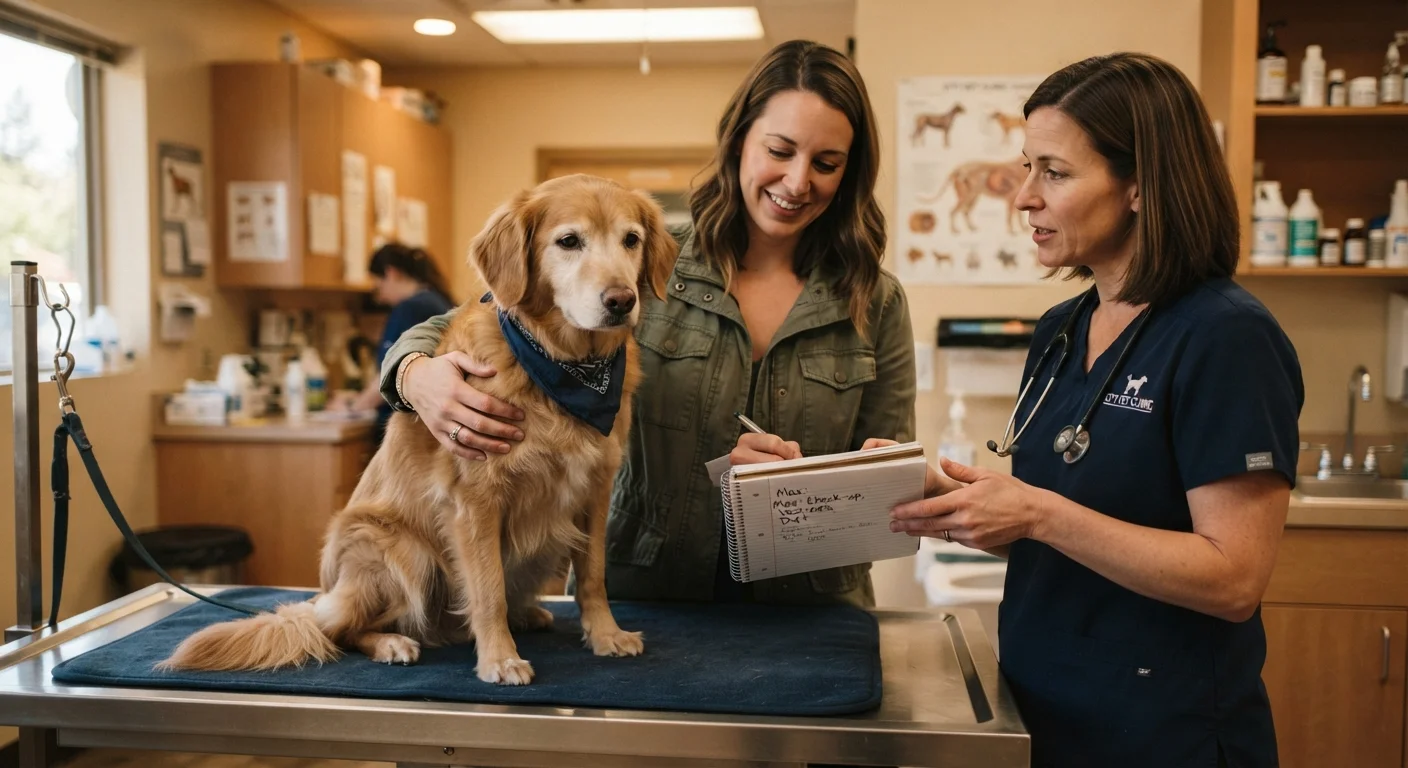
Photo: InsightsBlock.com | Access Information With Ease editorial
Key Takeaways
- Tracking symptoms at home before the appointment helps your vet make faster, more accurate assessments.
- Bringing vaccination and medication records prevents duplicate treatments and avoids gaps in care.
- A written list of questions ensures you leave the clinic with the information you actually need.
- Fasting or sample collection may be required before certain appointments - confirm with your clinic in advance.
- First-time visits or new concerns benefit most from thorough pre-visit preparation.
Why Preparation Makes Every Vet Visit More Effective
Veterinary appointments are often shorter than owners expect - many routine visits last 20 to 30 minutes. That limited window means your vet relies heavily on what you can report about your dog's daily life, recent changes, and medical history. Arriving unprepared doesn't just slow the appointment down; it can mean important context gets missed entirely.
This checklist is designed to help you show up organized, whether you're heading in for a routine wellness exam, a follow-up, or an urgent concern. Use it to gather information, documents, and supplies before you leave home. The categories below cover the core areas veterinary professionals typically need to work efficiently on your dog's behalf.
If you're also navigating a household with other species, our annual vet visit checklist for cat owners covers similar ground for feline appointments.
Health History and Records
Symptom Tracking
Samples and Physical Items
Questions and Communication Prep
Day-of Logistics
What to Gather and Confirm Before You Leave Home
The logistics of a vet visit matter just as much as the medical content. Calling the clinic 24 to 48 hours before your appointment to confirm any special instructions - such as fasting requirements before bloodwork or bringing a fresh stool sample - can save you a wasted trip or a rescheduled test.
Urgent Symptoms Require Immediate Care
For dogs who are anxious travelers, prepare your car setup and carrier (if applicable) the night before. Rushing a nervous dog into an unfamiliar car ride right before a stressful appointment often amplifies anxiety at the clinic. A calm, unhurried departure sets a better tone for the whole visit.
It's also worth reviewing your dog's vaccination records before every visit - not just new-patient appointments. Staying on top of booster timing is easier when you know what's already documented. Our dog vaccination schedule guide explains core and non-core vaccines and typical timing, though your vet should always confirm what's right for your individual dog.
Don't Mask Symptoms Before the Appointment
Tools and Supplies Worth Having Ready
You don't need a complex setup to prepare well - most of what helps is already in your home. The key is having it gathered and accessible before the day of the appointment, rather than scrambling at the last minute.
Notebook or notes app
Record symptom observations, questions for the vet, and instructions given during the appointment.
Stool sample container
Collect a fresh fecal sample for parasite screening or digestive assessment if requested by the clinic.
Vaccination and medical records folder
Store printed or digital copies of your dog's health history for easy access at any appointment.
Secure leash and collar or carrier
Keep your dog safe and manageable in the clinic waiting area and exam room.
Dog treats
Reward calm behavior and help reduce stress during and after the veterinary exam.
For owners managing dogs with chronic conditions or multiple medications, a dedicated folder or digital note for vet records can eliminate the recurring stress of locating paperwork under pressure. Even a simple photo of your dog's medication bottles and their current dosage labels serves as a useful backup.
This article provides general information for educational purposes and is not a substitute for professional veterinary advice. Always consult a licensed veterinarian for guidance specific to your dog's health needs.
The content provided on our blog site traverses numerous categories, offering readers valuable and practical information. Readers can use the editorial team’s research and data to gain more insights into their topics of interest. However, they are requested not to treat the articles as conclusive. The website team cannot be held responsible for differences in data or inaccuracies found across other platforms. Please also note that the site might also miss out on various schemes and offers available that the readers may find more beneficial than the ones we cover.