
Rabbit Diet Myths That Could Harm Your Pet

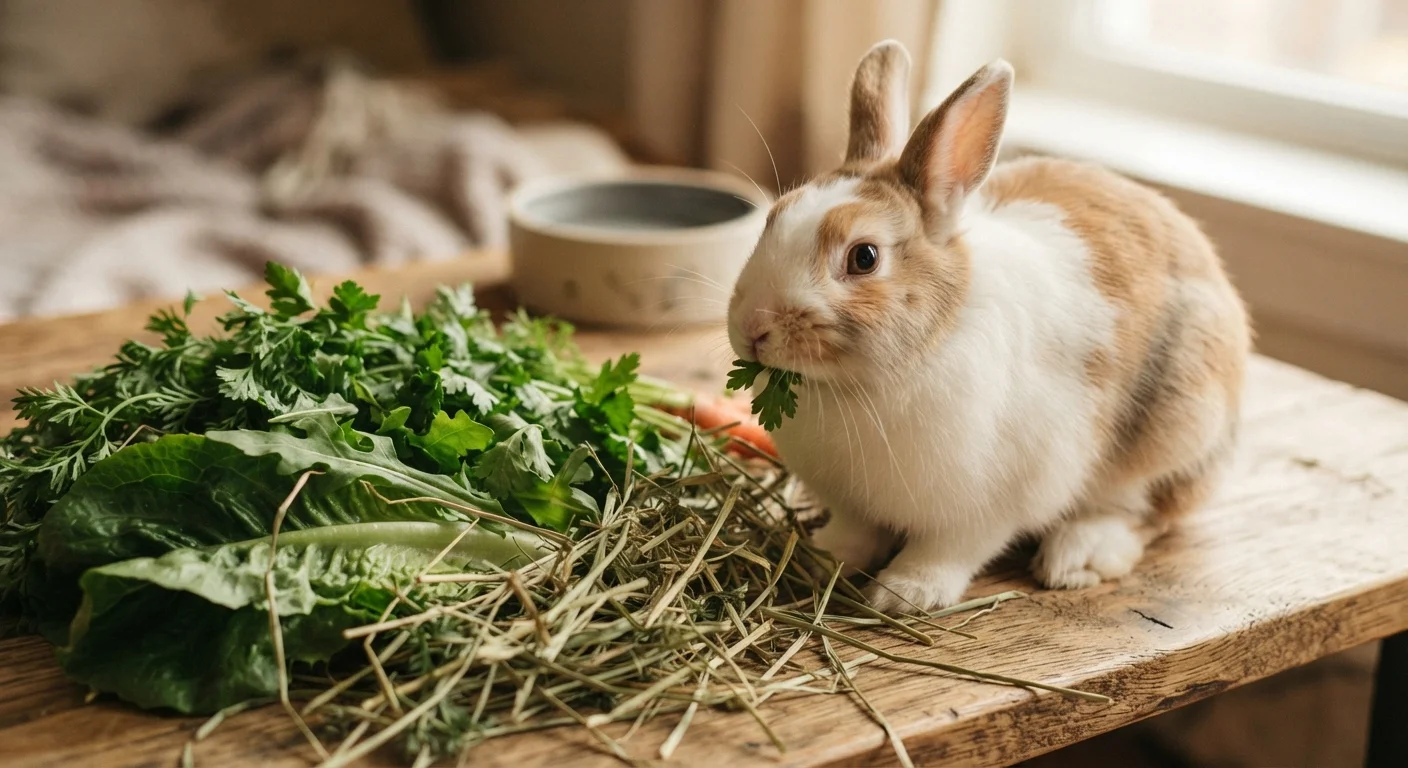
Photo: InsightsBlock.com | Access Information With Ease editorial
Key Takeaways
- Hay - not pellets or carrots - should form the bulk of a rabbit's daily diet.
- Carrots are high in sugar and should only be offered occasionally as a small treat.
- Iceberg lettuce contains compounds that can cause digestive problems in rabbits.
- Rabbits practice cecotrophy, eating certain droppings that are essential to their nutrition.
- Pellets are a supplement, not a dietary foundation - unlimited pellets contribute to obesity.
- Always consult a rabbit-savvy veterinarian before making significant changes to your rabbit's diet.
Why Rabbit Diet Myths Are So Persistent
Rabbits have been kept as pets for decades, yet widespread misconceptions about what they should eat remain stubbornly common. Some myths are rooted in old cartoons and cultural imagery. Others stem from well-meaning advice passed between owners without veterinary grounding. The consequences, however, can be serious - gastrointestinal stasis, obesity, and dental disease are among the most common health problems in pet rabbits, and diet plays a direct role in all three.
If you're new to rabbit ownership, understanding the full picture of rabbit care before bringing one home helps avoid costly surprises. This article focuses specifically on feeding myths that could put your rabbit's health at risk.
Myth
Carrots are a rabbit's favorite and healthiest food - they can eat them freely.
Fact
Carrots are high in sugar and should be offered only occasionally and in small amounts.
The carrot-and-rabbit association is largely a pop-culture artifact. In reality, carrots are root vegetables with a relatively high sugar content compared to the leafy greens that form the appropriate bulk of a rabbit's diet. Feeding carrots regularly can contribute to weight gain, dental problems, and digestive imbalance. A small slice as an infrequent treat is fine for most healthy adult rabbits - but it should never be a dietary staple.
Myth
Iceberg lettuce is a safe, hydrating treat for rabbits.
Fact
Iceberg lettuce contains lactucarium and has very little nutritional value - it can cause loose stools and digestive upset.
Iceberg lettuce is mostly water with minimal fiber or nutrients. More importantly, it contains lactucarium, a milky substance that can have a mild sedative effect and cause diarrhea in rabbits when consumed in any meaningful quantity. Darker, leafy greens - such as romaine lettuce, kale in moderation, or herbs like cilantro - are far more appropriate choices for variety in a rabbit's diet.
Myth
Pellets should make up the majority of a rabbit's diet.
Fact
Pellets are a supplement, not a staple. Unlimited pellets can lead to obesity and gut problems.
Commercial rabbit pellets were originally formulated for rapid weight gain in meat rabbits, not for the long-term health of pet rabbits. Feeding unrestricted pellets to a pet rabbit often results in obesity, reduced hay consumption, and a higher risk of gastrointestinal issues. Veterinary guidance typically recommends that unlimited grass hay make up 80-90% of an adult rabbit's diet, with pellets offered in measured daily portions sized to the rabbit's weight.
Myth
If a rabbit is eating its own droppings, something is wrong.
Fact
Rabbits are supposed to eat certain droppings - it's a normal, essential part of their digestive process.
Rabbits produce two types of droppings. The round, dry pellets most owners are familiar with are waste. But rabbits also produce cecotropes - soft, nutrient-dense clusters that come directly from the cecum (a section of the digestive tract). Rabbits eat cecotropes as they're produced, usually at night or early morning. This behavior, called cecotrophy, allows them to absorb essential B vitamins, proteins, and beneficial bacteria that weren't fully extracted on the first pass. Preventing this behavior, or treating it as a hygiene problem, can harm a rabbit's nutrition.
Myth
Rabbits can safely eat any fruit or vegetable in the house.
Fact
Several common household foods - including onions, garlic, avocado, and grapes - are toxic to rabbits.
Rabbits have sensitive digestive systems, and not every human-safe produce item is appropriate for them. Onions and garlic can damage red blood cells. Avocado contains persin, which is toxic to many animals including rabbits. Grapes and raisins have been associated with toxicity in small animals. Even foods that are technically non-toxic - like starchy vegetables and most fruits - should be limited due to their sugar or starch content. When introducing any new food, do so gradually and one item at a time, watching for changes in droppings or behavior.
Myth
Rabbits don't need to drink much water because they get moisture from vegetables.
Fact
Rabbits require fresh water available at all times - vegetables alone don't provide sufficient hydration.
Adequate hydration is critical for kidney function and overall gut health in rabbits. While leafy greens do contain some water, they cannot substitute for free access to fresh drinking water. Dehydration contributes to urinary tract problems and can worsen gastrointestinal slowdowns. Water should be refreshed daily and provided in a clean bowl or sipper bottle - or both, since individual rabbits have preferences.
Building a Diet Your Rabbit Actually Needs
Once the myths are cleared away, a healthy rabbit diet comes into focus fairly simply. The foundation is unlimited grass hay - timothy, orchard, or meadow hay for adult rabbits. Hay supports gut motility, wears down continuously growing teeth, and provides the fiber rabbits need to thrive. Leafy greens come second: romaine lettuce, cilantro, parsley, and dark leafy varieties are generally well-tolerated in appropriate amounts. Pellets, if offered at all, should be plain and grass-based, given in measured portions rather than left freely available.
80-90%
Recommended share of diet that should be hay
Veterinary organizations focused on rabbit health generally recommend that unlimited grass hay make up the vast majority of an adult rabbit's daily intake.
#1
Most common rabbit health emergency
Gastrointestinal stasis - often linked to low-fiber diets - is considered one of the most frequent and serious health crises seen in pet rabbits by exotic animal veterinarians.
Fresh water must be available at all times. Many owners find that both a bowl and a sipper bottle encourages adequate hydration, especially because some rabbits prefer one format over the other. Treats - including fruit and root vegetables - should be rare and small. When in doubt about a specific food's safety, a veterinarian experienced with exotic small animals is the right resource. For a broader look at how diet myths persist across species, common nutrition misconceptions often share the same pattern of oversimplification.
This article provides general educational information about rabbit nutrition and is not a substitute for professional veterinary advice. If you have concerns about your rabbit's diet or health, consult a licensed veterinarian with experience in small animal or exotic pet care.
The content provided on our blog site traverses numerous categories, offering readers valuable and practical information. Readers can use the editorial team’s research and data to gain more insights into their topics of interest. However, they are requested not to treat the articles as conclusive. The website team cannot be held responsible for differences in data or inaccuracies found across other platforms. Please also note that the site might also miss out on various schemes and offers available that the readers may find more beneficial than the ones we cover.