
Setting Up Your First Freshwater Aquarium

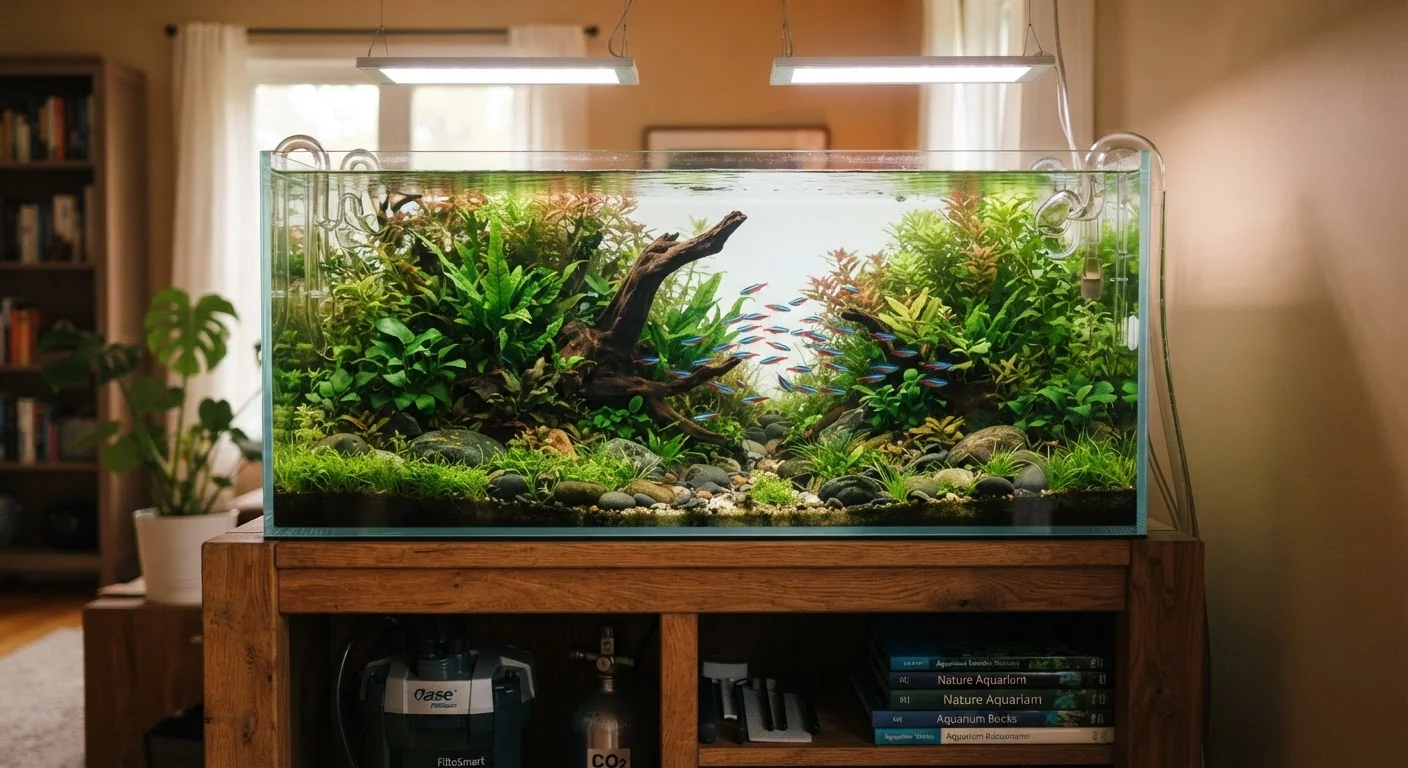
Photo: InsightsBlock.com | Access Information With Ease editorial
Key Takeaways
- Bigger tanks are generally more forgiving for beginners than small ones - start with at least 20 gallons.
- Cycling your tank before adding fish is the single most important step to prevent fish loss.
- A filter, heater, and thermometer are non-negotiable core equipment for freshwater setups.
- Overfeeding and overstocking are the two most common beginner mistakes.
- Weekly partial water changes of 20-25% keep water chemistry stable and fish healthy.
Choosing the Right Tank Size and Location
The instinct to start small is understandable, but counterproductive with aquariums. Smaller volumes of water experience faster, more dramatic swings in temperature, ammonia, and pH - making them harder to manage. A 20-gallon tank is a reasonable minimum for most beginners; a 29- or 40-gallon tank gives you even more stability and flexibility without dramatically increasing cost or effort.
Placement matters as much as size. Avoid spots near windows where direct sunlight promotes algae growth, and stay away from heating vents and exterior walls that cause temperature fluctuations. Choose a location near a grounded electrical outlet and a water source, and always confirm the floor or furniture can support the weight - a filled aquarium weighs roughly 10 pounds per gallon.
Nitrogen cycle
The biological process in which beneficial bacteria break down toxic fish waste (ammonia) into progressively less harmful compounds. An established cycle is what makes a tank safe for fish.
Ammonia
A toxic compound produced by fish waste and decomposing food. High ammonia levels are the most common cause of fish death in new tanks.
Beneficial bacteria
Microscopic organisms that live in your filter and substrate and convert harmful ammonia and nitrite into the relatively harmless nitrate. They are cultivated during the cycling process.
Dechlorinator
A liquid water conditioner that neutralizes chlorine and chloramines in tap water, making it safe for fish and bacteria before it enters the tank.
Nitrate
The end product of the nitrogen cycle. Far less toxic than ammonia or nitrite, nitrate accumulates over time and is kept in check through regular partial water changes.
Substrate
The material covering the bottom of the aquarium - typically gravel or sand. It provides a surface for bacteria to colonize and, if using live plants, a medium for roots to anchor.
Essential Equipment Every Beginner Needs
Before adding a single drop of water, gather the core equipment. A quality hang-on-back or canister filter rated for your tank size is essential - it houses the beneficial bacteria that process fish waste. A submersible heater maintains the water temperature most tropical freshwater fish require (typically 74-78°F), and a thermometer lets you verify it's working correctly. Never trust a heater's dial alone.
- Substrate: Rinsed aquarium gravel or sand provides a surface for bacteria to colonize and plants to root.
- Lid and light: Prevents fish from jumping out and supports plant growth or simply illuminates the tank.
- Water conditioner (dechlorinator): Neutralizes chlorine and chloramines in tap water before each fill or water change.
- Liquid test kit: Monitors ammonia, nitrite, nitrate, and pH - the four parameters you'll check regularly.
Decorations and live plants are optional at setup but recommended. Hardy species like java fern or anubias anchor easily to driftwood and require no special lighting or fertilizers.
Understanding the Nitrogen Cycle
The nitrogen cycle is the biological process that makes an aquarium habitable - and skipping it is the leading cause of fish death for beginners. Here's what happens: fish waste and uneaten food break down into ammonia, which is toxic. Beneficial bacteria (primarily Nitrosomonas) convert ammonia into nitrite, which is also toxic. A second bacterial group (Nitrobacter) then converts nitrite into nitrate, which is far less harmful and removed through regular water changes.
To cycle your tank before adding fish, add an ammonia source - pure ammonia drops or fish food left to decompose - and test the water every few days. The cycle is complete when ammonia and nitrite both read zero and nitrates are measurable. This process typically takes four to eight weeks. Patience here prevents weeks of frustration later.
Speed Up Cycling with Seeded Media
For more on protecting your fish once the tank is established, see how seasonal temperature changes affect aquarium stability.
Stocking Your Tank: Choosing Your First Fish
Add fish gradually after confirming the cycle is complete - introducing too many at once spikes ammonia faster than bacteria can handle. Start with a small group of four to six hardy fish, then wait two to three weeks before adding more.
Choose species compatible in size, temperament, and water parameter preferences. Avoid mixing aggressive fish with timid ones. Some reliable beginner combinations include:
- Zebra danios + corydoras catfish (active, peaceful, tolerant)
- Platies + snails (colorful, easy to maintain, compatible)
- A single betta with a few bottom-dwelling loaches (if the tank is large enough)
Research the adult size of every species before purchasing - a fish sold at one inch in a store may grow to six inches at home. Overcrowded tanks lead to stress, disease, and poor water quality.
Ongoing Maintenance and Water Quality
Consistent maintenance is what separates thriving tanks from struggling ones. Aim for a 20-25% partial water change every week, using a gravel vacuum to remove waste from the substrate at the same time. Always treat replacement water with dechlorinator and match its temperature to the tank before adding it.
Feed fish once or twice daily, offering only what they consume in about two minutes. Uneaten food decomposes and accelerates ammonia spikes. Rinse filter media monthly in water siphoned from the tank - never under tap water, which would kill the beneficial bacteria living in it.
Test your water parameters weekly for the first few months until you have a clear sense of your tank's rhythms. If you're also new to managing household finances for pet ownership, the monthly budgeting walkthrough can help you plan for recurring costs like filter cartridges, water conditioner, and food.
Never Clean Filter Media Under Tap Water
This article is for general informational and educational purposes only. For questions about fish illness, water chemistry problems, or species-specific care, consult an aquatic veterinarian or experienced aquarist.
Frequently Asked Questions
The content provided on our blog site traverses numerous categories, offering readers valuable and practical information. Readers can use the editorial team’s research and data to gain more insights into their topics of interest. However, they are requested not to treat the articles as conclusive. The website team cannot be held responsible for differences in data or inaccuracies found across other platforms. Please also note that the site might also miss out on various schemes and offers available that the readers may find more beneficial than the ones we cover.