
Keeping Fish Healthy Through Seasonal Temperature Changes

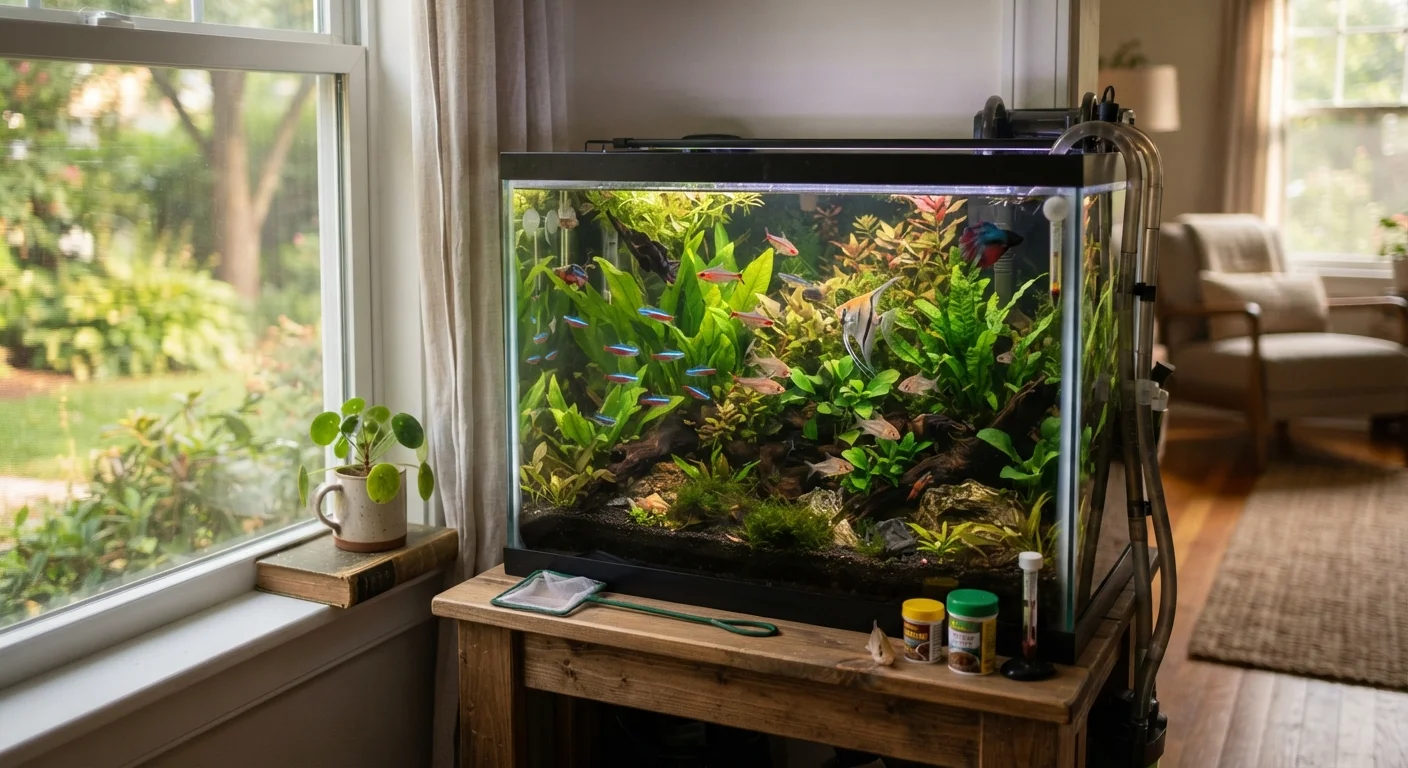
Photo: InsightsBlock.com | Access Information With Ease editorial
Key Takeaways
- Sudden temperature swings - even a few degrees - can cause serious stress or illness in fish.
- Most tropical freshwater fish thrive between 74°F and 80°F; coldwater species prefer cooler ranges.
- An aquarium heater with a reliable thermometer is the single most effective temperature management tool.
- Tank placement away from windows, vents, and exterior walls reduces seasonal fluctuation risk.
- Summer overheating is just as dangerous as winter cold - both require active monitoring.
Why Seasonal Temperature Changes Are a Hidden Threat
Most aquarium owners think carefully about water chemistry - pH, ammonia, nitrite levels - but room temperature is one of the most overlooked variables in fish health. As your home heats up in summer or cools down in winter, your tank's water temperature follows, sometimes faster than you'd expect.
Fish are ectothermic (cold-blooded), meaning their internal body temperature mirrors their environment. When water temperature shifts rapidly, their immune systems, metabolism, and gill function are all affected. Even a 4°F to 5°F drop or spike over a few hours can trigger ich (a common parasitic infection), loss of appetite, or erratic swimming behavior.
Unlike many home systems that you prepare for seasonally - the way drivers adjust their vehicles before extremes arrive, as outlined in our seasonal preparation guide - aquarium temperature management is a year-round, ongoing responsibility.
A Simple Log Makes Patterns Visible
If you're setting up a tank for the first time and want a full picture of what stable conditions look like from day one, our freshwater aquarium setup guide covers cycling, filtration, and stocking in detail.
What You'll Need Before You Start
Having the right tools in place before seasonal temperatures swing makes a meaningful difference. Here's what to gather:
What you will need
Adjustable Submersible Aquarium Heater
Maintains stable water temperature within a set range, compensating for ambient room changes.
Digital Aquarium Thermometer
Provides accurate, easy-to-read temperature readings independent of heater gauges.
Small Clip-On Fan
Directed at the water surface, increases evaporation to cool the tank during summer heat.
Aquarium Chiller
Actively cools tank water for coldwater species or in regions with extreme summer temperatures.
Step-by-Step: Managing Temperature Through the Seasons
Follow these steps to build a consistent temperature management routine - whether you're heading into summer heat or winter cold.
Know Your Fish's Target Temperature Range
Before adjusting anything, confirm the ideal temperature range for every species in your tank. Common tropical fish (tetras, gouramis, cichlids) generally prefer 74°F-80°F. Goldfish and other coldwater species prefer 65°F-72°F. Mixed-species tanks require you to find an overlapping comfortable range - if no such overlap exists, reconsider your stocking plan.
Assess Your Tank's Current Placement
Walk around your aquarium and identify heat and cold sources nearby. Move or plan to move tanks away from:
- South- or west-facing windows (intense afternoon sun)
- Heating and cooling vents
- Exterior walls in poorly insulated homes
- Drafty doorways or garages
Tank placement is the lowest-cost, highest-impact change you can make for long-term temperature stability.
Install or Inspect Your Heater
For tropical tanks, a functioning adjustable heater is non-negotiable. As a general guideline, use approximately 3-5 watts per gallon of water volume. Set the heater to your target temperature and allow 24 hours for the tank to stabilize before making further adjustments. Use your separate thermometer - not the heater's built-in indicator - to verify the actual reading.
Monitor Daily During Seasonal Transitions
Spring and fall are the highest-risk periods, when ambient room temperatures can swing dramatically between day and night. During these transition months, check your thermometer morning and evening for at least two weeks. Log the readings to identify patterns - consistent fluctuation of more than 3°F signals that an equipment adjustment or placement change is needed.
Prepare a Summer Cooling Strategy
If summer room temperatures in your home regularly exceed 80°F, plan a cooling approach before heat arrives. Options include: directing a small fan across the water surface (effective and inexpensive), adding a cooling-rated aquarium lid that allows airflow, or investing in an aquarium chiller for coldwater species or large tanks. Reduce lighting hours in summer - aquarium lights add measurable heat to smaller tanks.
Perform Seasonal Water Changes Carefully
During routine water changes, always match the temperature of new water to the existing tank water within 1°F-2°F before adding it. Cold tap water added directly during a winter water change is a common - and easily preventable - cause of temperature shock. Use a thermometer to verify change water temperature before introducing it to the tank.
For broader context on how tank water chemistry interacts with temperature stress, our article on the nitrogen cycle in fish tanks explains why biological balance and temperature are closely linked.
Troubleshooting Common Seasonal Problems
Even with preparation, issues can arise. Here are the most common seasonal temperature problems and how to respond:
- Summer overheating (above 84°F)
- Increase surface agitation to boost oxygen exchange. Float a sealed bag of ice cubes in the tank briefly - never add ice directly. Consider a small fan directed at the water surface. If temperatures remain dangerously high, move the tank away from sun exposure and run your air conditioning.
- Winter temperature drops (below 72°F for tropical fish)
- Check that your heater is functioning - heaters can fail without obvious signs. Use a separate thermometer rather than relying solely on heater-mounted gauges. If a heater fails, place the tank in a warmer room temporarily while you replace it.
- Day-to-night fluctuations
- A range of more than 2°F to 3°F between daytime and nighttime readings suggests your heater output may be insufficient for tank volume, or that the room's ambient temperature swings too widely. Upgrading to a heater rated for a larger tank than you own provides a buffer.
For a comprehensive guide to fish health across all care areas - including housing, feeding, and recognizing illness - see our complete small pet care reference.
Consult a Vet for Sick Fish
This article is for general informational purposes only and is not a substitute for advice from a qualified aquatic veterinarian or fish health specialist.
The content provided on our blog site traverses numerous categories, offering readers valuable and practical information. Readers can use the editorial team’s research and data to gain more insights into their topics of interest. However, they are requested not to treat the articles as conclusive. The website team cannot be held responsible for differences in data or inaccuracies found across other platforms. Please also note that the site might also miss out on various schemes and offers available that the readers may find more beneficial than the ones we cover.