
Free and Low-Cost Experiences That Rival Paid Attractions

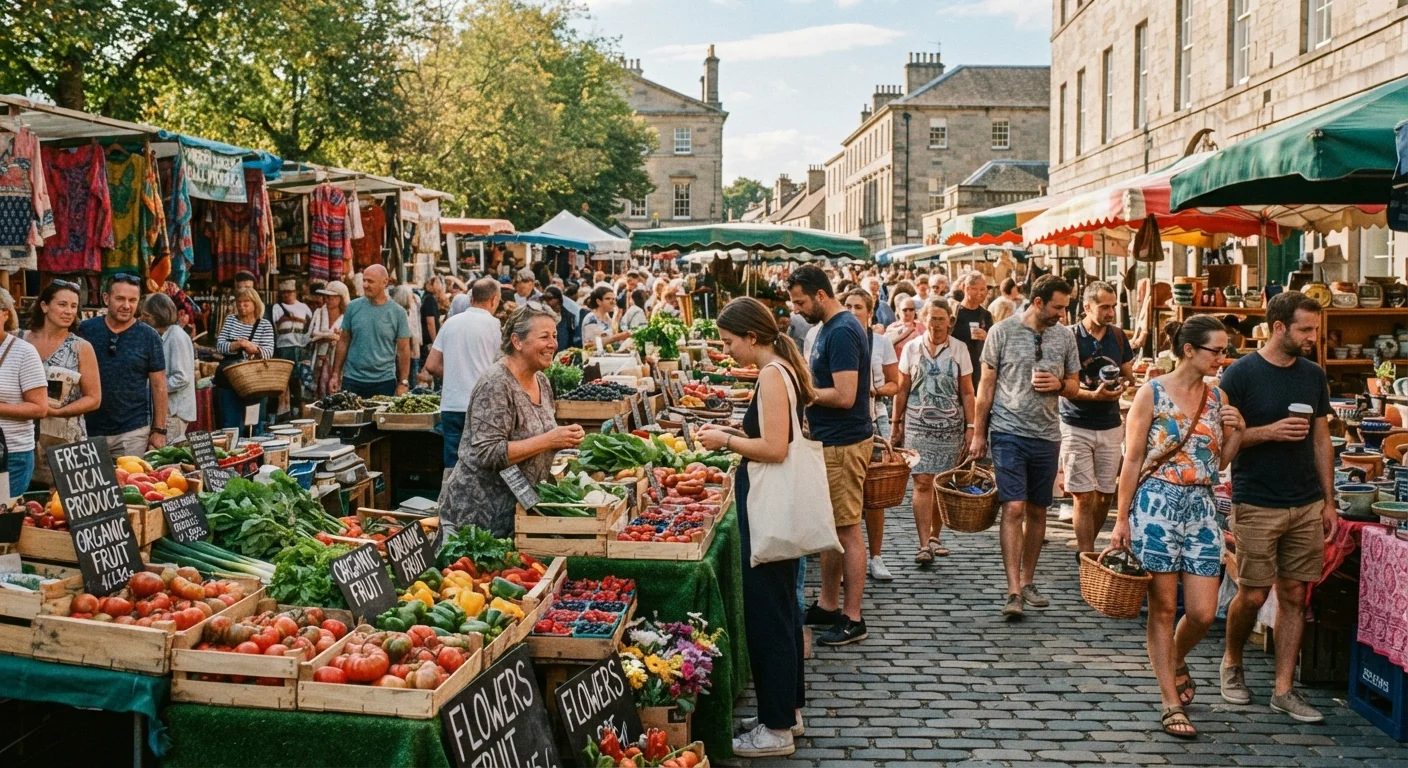
Photo: InsightsBlock.com | Access Information With Ease editorial
Key Takeaways
- Public parks, historic neighborhoods, and waterfronts often deliver richer experiences than ticketed attractions.
- Free cultural events like festivals, markets, and outdoor concerts are available in nearly every destination.
- Many museums, galleries, and monuments offer free or reduced admission on specific days or times.
- Slowing down and exploring on foot frequently reveals local character that bus tours and paid experiences miss.
- Strategic timing - visiting during shoulder season or weekday mornings - amplifies the value of free activities.
Why the No-Cost Option Is Often the Better Option
There's a persistent assumption that the best travel experiences are the ones with a price tag - the guided tour, the ticketed landmark, the rooftop bar. In reality, many of the most memorable moments in travel cost little or nothing. They just require knowing where to look and being willing to slow down enough to find them.
The experiences below aren't compromise choices. They're the kinds of places and events that locals actually frequent, that photographers seek out, and that repeat visitors say they wish they'd prioritized the first time around. If you're trying to make an international trip work on a tight budget, building your itinerary around free and low-cost anchors is one of the most effective strategies available.
Public Parks and Green Spaces
Whether it's a sprawling urban park or a modest town square, public green spaces are genuinely underrated travel destinations. Cities like New York, Chicago, and San Francisco have iconic parks that draw visitors just as powerfully as their paid museums - and for good reason. You get sweeping skylines, cultural performances, farmers markets, and authentic people-watching, all free of charge.
Outside major cities, state and national parks offer dramatic landscapes at a fraction of what private tours cost. An annual federal lands pass can unlock hundreds of sites across the country for a flat fee that pays for itself quickly.
Public parks offer sweeping landscapes and authentic local culture without spending a dollar.
Historic Neighborhoods and Self-Guided Walking Routes
Walking a city's historic core costs nothing and reveals layers that bus tours simply can't access - the architecture of a 19th-century warehouse district, a mural-covered alleyway, a tucked-away courtyard. Many cities publish free self-guided walking trail maps through their tourism offices or public libraries.
Apps and local visitor centers frequently offer downloadable audio tours at no charge. Neighborhoods like the French Quarter in New Orleans, the North End in Boston, or any number of European old towns are themselves the attraction - no admission required.
Self-guided walking routes unlock a city's authentic character in a way organized tours rarely do.
Free Museum Days and Sliding-Scale Admissions
Many world-class museums quietly offer free or pay-what-you-wish admission on certain weekday evenings or the first Sunday of the month. The Smithsonian Institution's museums in Washington, D.C. are permanently free. Across Europe and the UK, major national collections - including natural history and art museums - charge no general admission at all.
Before paying full price anywhere, check the museum's official website for free hours, local resident discounts, and library card partnerships. Some public library systems offer museum passes that cardholders can borrow.
A quick check of a museum's website can unlock free entry you'd never know existed otherwise.
Local Festivals, Markets, and Outdoor Events
Every region hosts seasonal street festivals, cultural celebrations, outdoor concerts, and farmers markets that are free to attend. These events are often where you'll find the most unfiltered version of a destination - local food vendors, live music rooted in regional tradition, and community energy no ticketed show can replicate.
Eating well while traveling on a budget becomes far easier when you factor in farmers markets and food festivals, where vendors compete on quality and price in ways tourist restaurants simply don't.
Local festivals put you inside a destination's culture rather than watching it through glass.
Waterfront Areas, Beaches, and Scenic Overlooks
Harbors, riverfronts, lakeshores, and public beaches are some of the most visited spots in the world - and they're generally free. Sunset over a harbor, a morning walk along the surf, or sitting at a mountaintop overlook reachable by a short hike can anchor an entire travel memory. These experiences require only your time and some basic planning.
Scenic overlooks accessible by car or transit - like vista points along Pacific Coast Highway or Blue Ridge Parkway pull-offs - give you postcard views without a park fee. Slower itineraries naturally build in more time for these moments, which is part of why they often feel more rewarding.
Waterfronts and scenic overlooks deliver iconic views that cost nothing but your time.
Free Cultural Institutions and Public Art
Beyond museums, cities are full of free cultural infrastructure: public libraries with beautiful architecture and local exhibits, botanical gardens with free admission windows, public art installations, sculpture parks, and historic landmarks. State capitals typically offer free tours of their buildings. Many cities have mapped public art trails you can follow on foot.
This kind of exploration often surfaces surprises - a mosaic-tiled subway station, a rooftop garden open to the public, a historic courthouse with stunning interiors. These discoveries tend to be the stories travelers recount long after the trip ends.
Public libraries, art trails, and free landmarks often contain a city's most surprising and memorable details.
Making the Most of Free Experiences
The common thread across all of these experiences is intentionality. A park is just a park if you walk through it looking at your phone - but it becomes a genuine destination when you research its history, identify its best viewpoints, and arrive at the right time of day. The same applies to markets, festivals, and walking routes.
Free Doesn't Mean Unprepared
Time Your Visit for Maximum Value
Free and low-cost experiences reward curiosity more than money. They tend to be less crowded, less scripted, and more connected to the actual character of a place. Combine a few of them thoughtfully, add in affordable local food strategies, and you'll often find the trip feels richer - not thinner - for having spent less.
The content provided on our blog site traverses numerous categories, offering readers valuable and practical information. Readers can use the editorial team’s research and data to gain more insights into their topics of interest. However, they are requested not to treat the articles as conclusive. The website team cannot be held responsible for differences in data or inaccuracies found across other platforms. Please also note that the site might also miss out on various schemes and offers available that the readers may find more beneficial than the ones we cover.