
Car Maintenance

Keeping a Car Running Well Past 150,000 Miles

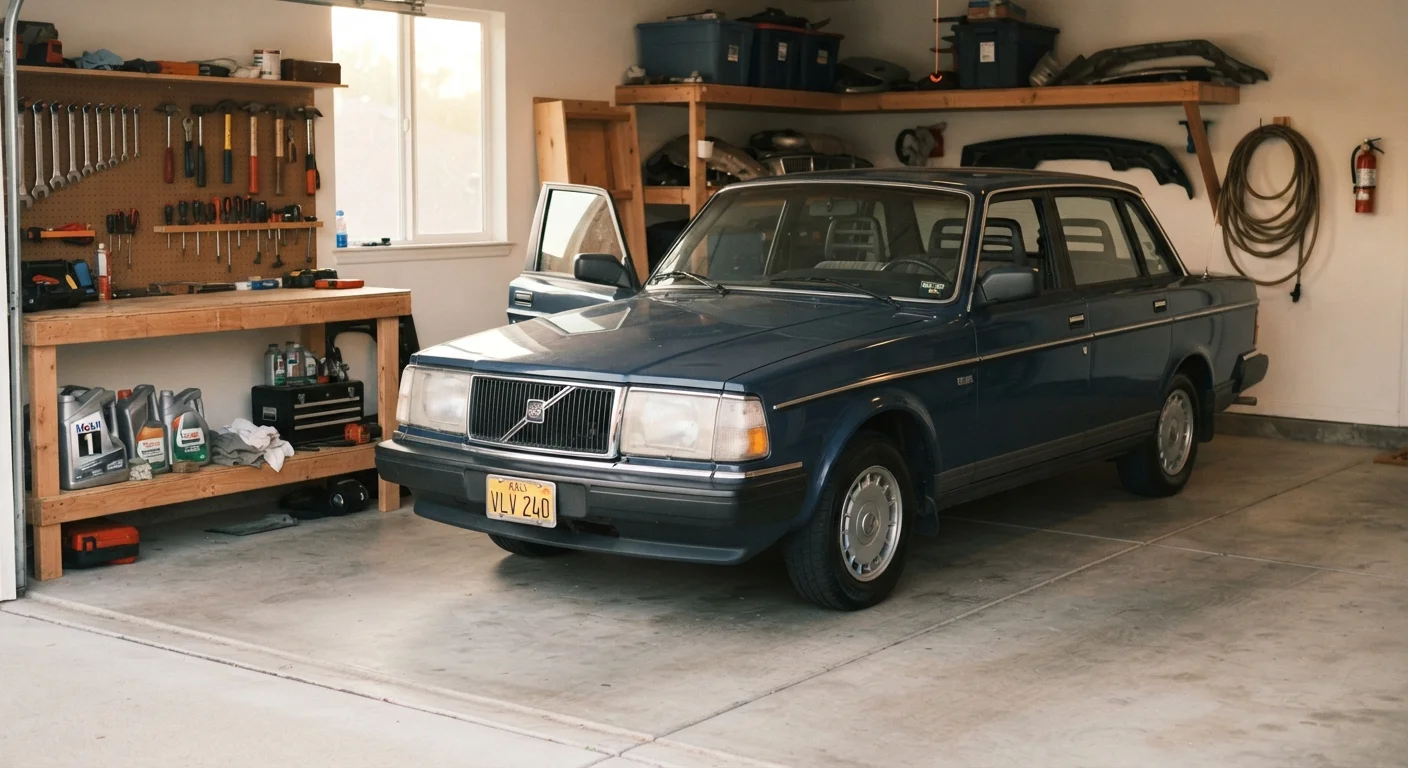
Keeping a Car Running Well Past 150,000 Miles

Photo: InsightsBlock.com | Access Information With Ease editorial

High-mileage vehicles need targeted care. Explore the maintenance priorities that help aging cars stay reliable and road-worthy.

Key Takeaways

  • High-mileage vehicles benefit most from more frequent fluid checks and targeted component inspections.
  • Switching to a high-mileage engine oil formulation can help reduce wear on aging seals and gaskets.
  • Rubber components — belts, hoses, and seals — degrade over time and should be inspected proactively.
  • Keeping detailed service records helps identify patterns and prevents expensive surprises.
  • A trusted mechanic relationship becomes increasingly valuable as a vehicle ages past 150,000 miles.

Why 150,000 Miles Is a Turning Point

Reaching 150,000 miles doesn't mean a vehicle is ready for retirement — but it does mark a threshold where the maintenance calculus changes. Wear accumulates on rubber, gaskets, and moving parts in ways that can accelerate if ignored. The good news: most age-related failures are predictable, and consistent attention to a handful of priorities can extend a vehicle's reliable life significantly.

The foundation is still your owner's manual. As our editorial team explains in its guide to reading your owner's manual, the manufacturer's maintenance schedule is the most reliable framework for any vehicle, regardless of mileage. At high mileage, you're building on that baseline — not replacing it.

Core Practices for High-Mileage Reliability

The following practices are specifically relevant once a vehicle has logged significant miles. Each addresses a failure point that becomes meaningfully more common as components age.

1

Switch to a high-mileage engine oil formulation and monitor oil consumption closely.

Engines with significant wear tend to burn or leak small amounts of oil between changes. High-mileage oil blends contain seal conditioners that help aging gaskets remain pliable, reducing minor leaks. Monitoring consumption between changes catches deterioration early before it becomes a costly problem. To understand what prolonged neglect can do, see our piece on what happens inside an engine when you ignore oil changes.
Example: A driver with a 170,000-mile vehicle notices it's using roughly a quart of oil every 2,000 miles. Switching to a high-mileage 5W-30 and checking levels every fill-up prevents low-oil damage between scheduled changes.
2

Inspect and replace rubber components — belts, hoses, and seals — on a proactive schedule.

Rubber degrades with heat cycles and age regardless of mileage. A serpentine belt or coolant hose that looks intact can fail without warning, often causing secondary damage. Replacing these components before they fail is far less expensive than a roadside breakdown or overheated engine.
Example: A mechanic performing a routine inspection on a 155,000-mile SUV spots surface cracking on the serpentine belt. Replacing it proactively costs a fraction of what a belt failure — and potential alternator or power-steering damage — would have.
3

Flush and replace cooling system fluid on a defined interval, not just when problems arise.

Coolant degrades chemically over time, becoming acidic and less effective at preventing corrosion inside the engine block and radiator. High-mileage vehicles with old coolant are at elevated risk for radiator leaks, water pump failure, and thermostat problems — all expensive repairs.
Example: Following the manufacturer's coolant flush interval, a driver has the cooling system drained and refilled at 160,000 miles, revealing rust-tinged fluid that indicated the flush was overdue.
4

Keep detailed written service records and share them with your mechanic at every visit.

Aging vehicles accumulate a complex maintenance history. A written log helps a mechanic spot gaps, notice recurring issues, and make informed recommendations rather than starting from scratch at every appointment. It also adds value if the vehicle is ever sold.
Example: A driver's log shows that the transmission fluid was last serviced at 90,000 miles. Now at 160,000 miles, the mechanic recommends a fluid change — catching a service gap that could have led to premature transmission wear.
5

Have suspension and steering components inspected annually once past 150,000 miles.

Ball joints, tie rod ends, control arm bushings, and shock absorbers all degrade with use. Worn suspension components affect handling and braking distances, creating safety risks. They also cause uneven tire wear that shortens tire life. For more on driver safety practices, our hub covers the essentials every driver should know.
Example: An annual inspection on a 165,000-mile sedan reveals worn front struts. Replacing them restores braking stability and prevents uneven front-tire wear that would have required early tire replacement.

For a broader look at what maintenance intervals typically cost, see our reference on routine maintenance schedules and what they cost. Understanding those benchmarks helps you budget realistically for keeping an older vehicle on the road.

Quick Wins You Can Act on Today

Not every high-mileage maintenance task requires a shop visit. Several checks can be done in a driveway in under 30 minutes and may prevent a breakdown before it happens.

high Check all fluid levels — engine oil, coolant, brake fluid, and power steering fluid — and top off any that are low. This takes about 10 minutes and can prevent significant damage.
medium Visually inspect all accessible rubber hoses under the hood for cracking, softness, or swelling. Flag any that feel degraded for a mechanic to evaluate at the next service visit.
high Check tire pressure and tread depth on all four tires. Underinflated or unevenly worn tires on high-mileage vehicles with aging suspension can mask handling problems.
medium Start a simple service log — even a notes app works — and record the date, mileage, and work done at every service. Begin with whatever was most recently completed.

Seasonal stress is another factor worth planning around. Temperature extremes can push aging components past their tolerance. Our guide to seasonal car prep outlines what deserves specific attention before winter and summer driving conditions arrive.

Finally, keeping ownership costs manageable over the long haul requires the same discipline applied here — consistency. The habits outlined in keeping car costs in check over the long haul reinforce why proactive maintenance nearly always costs less than reactive repair.

Automotive Editorial Team

InsightsBlock.com | Access Information With Ease

Automotive Editorial Team is the collective byline for our editorial team and contributor network. Articles published under this byline or an editorial pen name are researched, written, and reviewed according to our editorial standards for clarity, consistency, and independence before publication.

Car MaintenanceCar Ownership CostsDriver Safety
View author profile

The content provided on our blog site traverses numerous categories, offering readers valuable and practical information. Readers can use the editorial team’s research and data to gain more insights into their topics of interest. However, they are requested not to treat the articles as conclusive. The website team cannot be held responsible for differences in data or inaccuracies found across other platforms. Please also note that the site might also miss out on various schemes and offers available that the readers may find more beneficial than the ones we cover.