
Car Maintenance From Scratch: A Practical Introduction for New Drivers

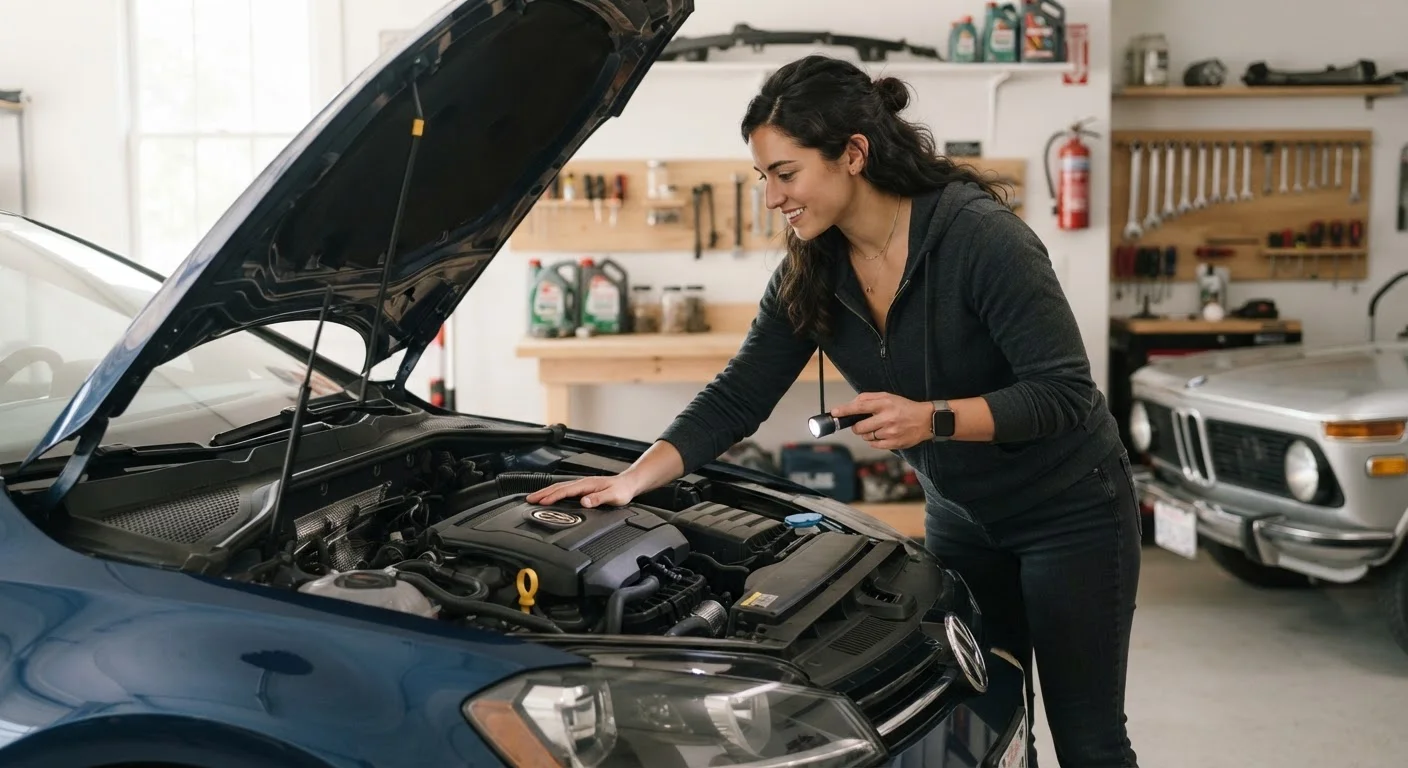
Photo: InsightsBlock.com | Access Information With Ease editorial
Key Takeaways
- Checking fluids, tires, and lights takes minutes and prevents expensive failures.
- Your owner's manual contains the most accurate maintenance schedule for your specific vehicle.
- Some routine tasks are safe for new drivers to handle themselves; others require a qualified mechanic.
- Catching small problems early consistently costs less than repairing neglected systems.
- Dashboard warning lights are your car's first alert system - never ignore them.
Why Maintenance Knowledge Matters From Day One
Most new drivers focus on learning the road. Far fewer think about what keeps the car roadworthy in the first place. That gap is where expensive surprises tend to happen.
Basic maintenance awareness does two things: it extends the life of your vehicle and it gives you early warning when something is wrong before it escalates into a major repair. A car that breaks down unexpectedly isn't just costly - it can also be a safety risk, particularly for newer drivers still building confidence behind the wheel. For more on the broader picture of driver safety, including hazard awareness, that context is worth reading alongside this guide.
You don't need to become a mechanic. You need to understand roughly a dozen checks and habits - most of which take less than five minutes - and know when to hand a problem to a professional. That's the entire scope of what this guide covers.
Dipstick
A long metal rod inserted into the engine that lets you check the oil level and condition without opening any sealed systems.
Tire pressure (PSI)
The measure of air pressure inside a tire, expressed in pounds per square inch. Correct pressure is specified by the vehicle manufacturer, not the tire brand.
Coolant reservoir
A translucent plastic tank that holds the engine's coolant fluid. It has minimum and maximum fill lines visible from the outside.
Maintenance interval
The mileage or time period recommended by the manufacturer between specific service tasks, such as oil changes or filter replacements.
Tread depth
The measurement of the grooves in a tire's surface. Adequate tread depth allows water to escape and helps the tire grip the road, especially in wet conditions.
VIN
Vehicle Identification Number - a unique 17-character code assigned to every vehicle that can be used to look up its specifications, history, and correct service information.
The Fluids You Need to Know
Modern cars rely on several fluids to operate safely. Most can be checked visually without any tools, and most reservoirs are clearly labeled under the hood.
- Engine oil lubricates moving parts and reduces heat. Check the level monthly using the dipstick; consult your manual for the correct type and change interval.
- Coolant (antifreeze) prevents the engine from overheating. The reservoir has min/max markings - never open it when the engine is hot.
- Brake fluid transmits pressure through your braking system. It lives in a small translucent reservoir near the firewall. A sudden drop in level can indicate a leak.
- Power steering fluid (on vehicles without electric steering) keeps steering effort manageable. Low fluid often shows up as a whining noise when turning.
- Windshield washer fluid is the only fluid you can safely top off yourself without any caution - use a rated washer fluid, not plain water, in cold climates.
Running low on any of these fluids is a signal, not just an inconvenience. If a reservoir needs repeated top-offs between service intervals, that points to a leak worth investigating.
Tires, Brakes, and Lights: The Safety-Critical Basics
These three systems directly affect your ability to control the vehicle and be seen by others. They deserve attention on a regular schedule, not just when something feels wrong.
Tires
Check tire pressure monthly, including the spare, using an inexpensive pressure gauge. Correct pressure is listed on the sticker inside your driver's door jamb - not on the tire sidewall. Underinflated tires wear unevenly, reduce fuel efficiency, and handle poorly. Inspect tread depth regularly using the penny test described in the FAQ below.
Brakes
Brakes communicate through sensation and sound. A spongy pedal, pulling to one side, squealing, or grinding are all signals that need professional evaluation. Do not defer brake concerns - understanding what car noises mean can help you describe symptoms accurately to a mechanic.
Lights
Walk around your car periodically to confirm all exterior lights work - headlights, brake lights, turn signals, and reverse lights. A burned-out brake light is a rear-end collision risk that takes minutes to spot and not much longer to fix.
Build a Simple Monthly Walk-Around Habit
Your Owner's Manual and Maintenance Schedule
The single most useful document you have is the owner's manual that came with your vehicle. It contains a manufacturer-specified maintenance schedule tailored to your exact model - covering oil change intervals, transmission service, spark plugs, air filters, timing belts, and more.
Many new drivers never open it. That's a mistake. Generic advice about oil change intervals or service milestones may not match what your specific engine actually requires. Reading your owner's manual properly explains how to interpret the schedule and apply it correctly.
If you bought a used vehicle without a manual, the manufacturer's website typically offers a digital version, and a VIN-based lookup can often pull service history. Getting this baseline information early prevents gaps in care that compound over time. For the longer view on ownership costs, keeping car costs in check over the long haul is a practical companion read.
When to DIY and When to Call a Mechanic
Not every maintenance task carries the same risk profile. Some are genuinely straightforward for a new driver with no tools; others involve safety-critical systems where a mistake can cause real harm.
Tasks most new drivers can learn to do themselves with basic guidance: checking and topping off fluids (except brake fluid), replacing wiper blades, swapping cabin air filters, checking tire pressure, and replacing burned-out bulbs on some vehicles.
Tasks that generally belong at a shop: brake pad or rotor replacement, suspension work, transmission service, timing belt or chain replacement, and anything involving the fuel or emissions systems. These require proper tools, safety equipment, and mechanical experience to do correctly. Attempting them without that background can create new hazards rather than solving existing ones.
For a clearer breakdown of where that line falls, DIY car maintenance vs. taking it to a shop maps out the decision in practical terms. The goal isn't to do everything yourself - it's to understand your car well enough to make informed decisions and communicate clearly with the people who service it.
Never Ignore a Red Warning Light
Frequently Asked Questions
The content provided on our blog site traverses numerous categories, offering readers valuable and practical information. Readers can use the editorial team’s research and data to gain more insights into their topics of interest. However, they are requested not to treat the articles as conclusive. The website team cannot be held responsible for differences in data or inaccuracies found across other platforms. Please also note that the site might also miss out on various schemes and offers available that the readers may find more beneficial than the ones we cover.