
Driving at Different Life Stages: How Age Affects Risk and Awareness

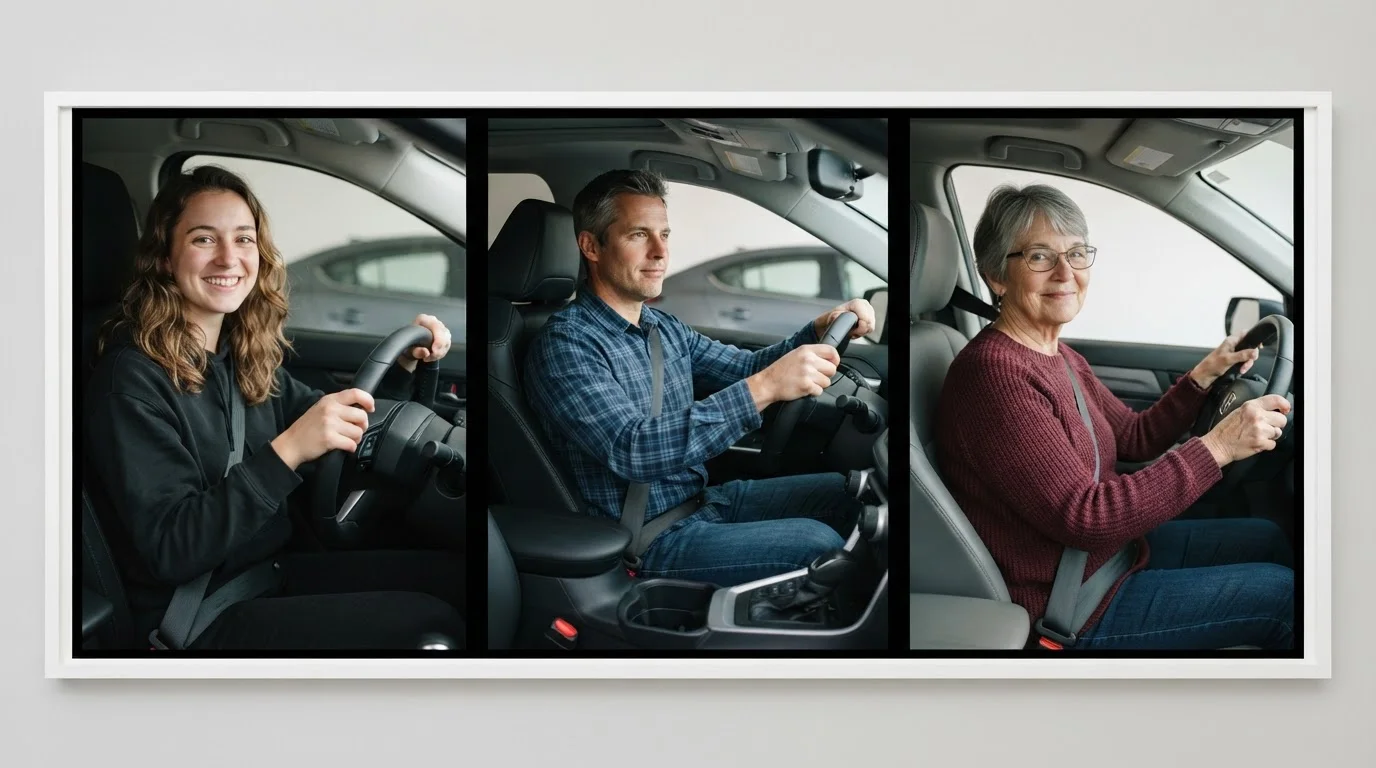
Photo: InsightsBlock.com | Access Information With Ease editorial
Key Takeaways
- Teen and young adult drivers face the highest crash rates per mile driven, driven largely by inexperience and risk-taking behavior.
- Middle-aged drivers are generally the most statistically safe group, but distraction and fatigue remain significant threats.
- Older adults experience physiological changes - slower reaction time, reduced vision - that require proactive adaptation strategies.
- No single age group is immune to risk; each stage brings distinct vulnerabilities that awareness can help offset.
Young and Teen Drivers: High Risk, Low Experience
No driver group carries a heavier statistical crash burden than teenagers and young adults. According to the CDC, motor vehicle crashes are a leading cause of death for teens in the United States. The core issue is not attitude alone - it is the gap between licensing and genuine competency. Early drivers lack the pattern recognition that allows experienced motorists to anticipate hazards before they fully develop.
Key risk factors for this group include peer passengers (which research consistently links to increased distraction and risk-taking), nighttime driving, and high-speed environments. The first year of driving carries an especially elevated crash window, making graduated exposure - starting with familiar, low-traffic routes before progressing to highways or night conditions - a critical safety strategy.
Young drivers also tend to underestimate the dangers of distraction. Hands-free technology does not eliminate cognitive distraction, a fact that surprises many new drivers who assume any non-manual task is safe.
Graduated Licensing Works - Stick to It
Middle-Aged Drivers: The Complacency Trap
Drivers in their 30s through 50s post the lowest crash rates of any age group - an earned result of accumulated experience and generally stable physical capability. But this statistical safety record can breed a subtle complacency that introduces its own risks.
The two dominant threats at this stage are distraction and fatigue. Middle-aged drivers are often managing demanding schedules, and the temptation to multitask behind the wheel is high. Fatigue impairs judgment and reaction time in ways that closely mirror alcohol impairment, yet many experienced drivers dismiss tiredness as manageable.
High-speed road environments also demand ongoing vigilance regardless of experience level. Merging, maintaining safe following distance, and navigating multi-lane roads require consistent attention - habits that can erode when driving feels routine. Emotional states matter too: distinguishing assertive driving from reactive road rage is a skill that protects this age group disproportionately, given the stressors many carry into their commutes.
| Teen/Young Adult | Middle-Aged Adult | Older Adult | |
|---|---|---|---|
| Primary crash risk factor | Inexperience and risk-taking | Distraction and fatigue | Slower reaction time and reduced vision |
| Crash rate per mile driven | Highest of all age groups | Lowest of all age groups | Rises after age 70-75 |
| Highest-risk driving conditions | Night, highway, peer passengers | High-stress commutes, long trips | Night, adverse weather, complex intersections |
| Key safety strategy | Graduated licensing and supervised practice | Distraction elimination and rest breaks | Regular health screening and self-restriction |
| Most effective intervention | Expanded supervised driving hours | Fatigue and phone-use awareness | Vision/medical evaluation and vehicle adaptations |
Older Adult Drivers: Adapting to a Changing Body
After roughly age 65, physiological changes begin to affect driving capability in measurable ways. Reaction time lengthens, peripheral vision narrows, contrast sensitivity decreases, and conditions like arthritis can reduce steering precision. These are normal aspects of aging - not failures - but they require honest acknowledgment and proactive management.
Nighttime driving becomes markedly more challenging for older adults as the eye requires more light to process the same scene clearly, and glare recovery slows. Many older drivers wisely self-restrict to daytime trips, which is an effective and evidence-supported adaptation. Similarly, adverse weather conditions demand earlier speed reductions and greater following distances - adjustments that benefit this group especially.
Regular vision and medical evaluations are the most impactful tools available. Physicians can identify conditions - including medication side effects - that impair driving before a crash occurs. Vehicle adaptations such as larger mirrors, hand controls, or backup cameras can meaningfully extend safe driving years. The AARP and AAA both offer driving assessment programs designed for older adults.
This article provides general educational information about driving safety across age groups. It is not a substitute for professional medical evaluation or personalized driving assessment. Consult a qualified healthcare provider regarding any medical conditions that may affect driving ability.
The content provided on our blog site traverses numerous categories, offering readers valuable and practical information. Readers can use the editorial team’s research and data to gain more insights into their topics of interest. However, they are requested not to treat the articles as conclusive. The website team cannot be held responsible for differences in data or inaccuracies found across other platforms. Please also note that the site might also miss out on various schemes and offers available that the readers may find more beneficial than the ones we cover.