
Added Sugar vs. Natural Sugar: How to Tell Them Apart on Labels

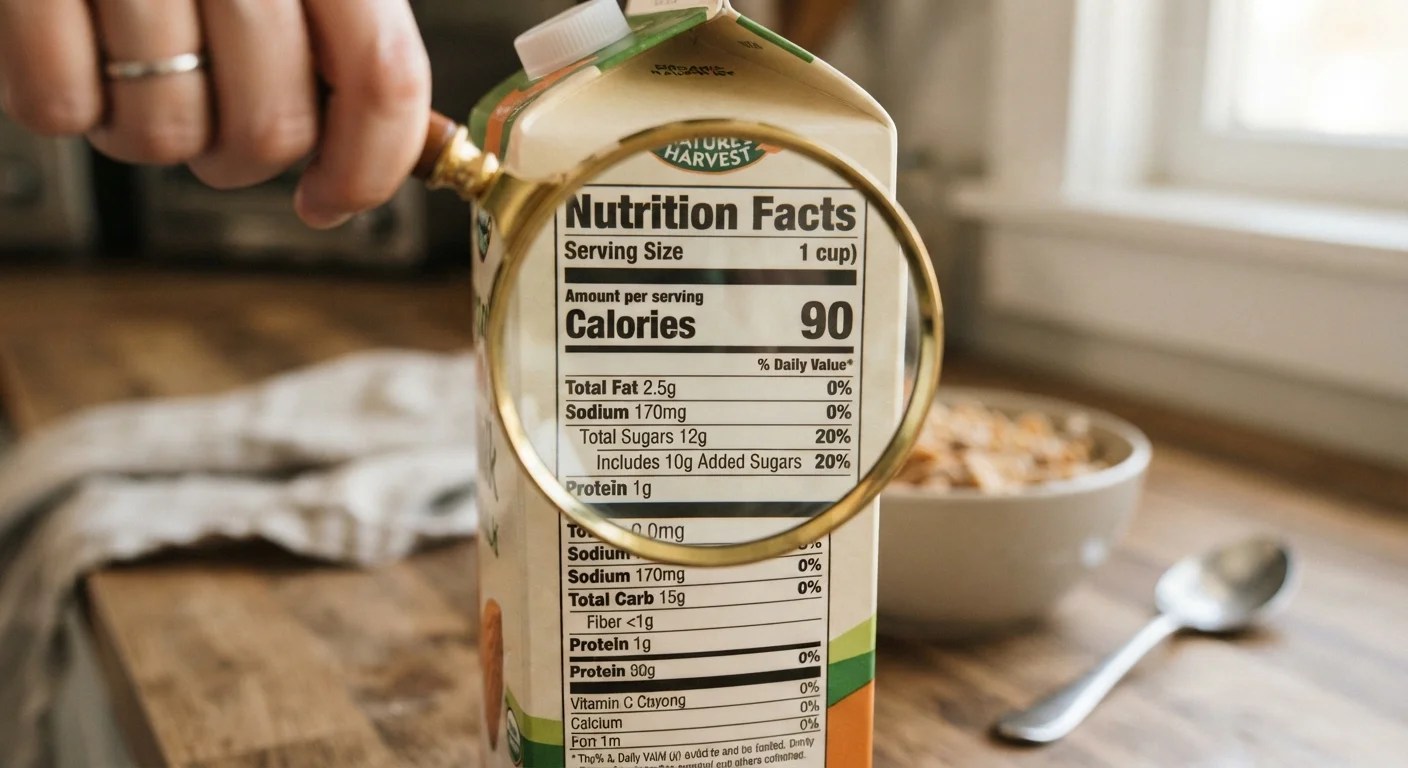
Photo: InsightsBlock.com | Access Information With Ease editorial
Key Takeaways
- Added sugars are incorporated during processing; natural sugars exist inherently in foods like fruit and dairy.
- The FDA now requires 'Added Sugars' to appear as a separate line on Nutrition Facts labels.
- Natural sugars in whole foods are typically accompanied by fiber or protein, which slows absorption.
- The American Heart Association recommends limiting added sugar to 25-36 grams per day for most adults.
- More than 60 names for added sugar may appear in ingredient lists, making label reading a key skill.
- Neither type of sugar is universally 'good' or 'bad' - context, quantity, and overall diet matter most.
What Makes These Two Types of Sugar Different
At a chemical level, the glucose and fructose molecules found in an apple and those in a candy bar are structurally identical. What differs is context - where the sugar comes from and what else arrives with it.
Natural sugars are those found inherently in whole or minimally processed foods. Lactose in milk, fructose in fruit, and sucrose in some vegetables are all natural sugars. They come bundled with fiber, water, protein, vitamins, and minerals that affect how the body processes them.
Added sugars are any sugars or caloric sweeteners incorporated into food during processing or preparation. This includes white table sugar, high-fructose corn syrup, honey added to a granola bar, and agave nectar stirred into a bottled drink. These contribute calories with little or no accompanying nutritional benefit.
The distinction matters because the food matrix around natural sugar typically slows digestion and moderates how quickly glucose enters the bloodstream. Added sugars, stripped of that matrix, tend to be absorbed more quickly. For a broader look at how food processing shapes nutritional value, see our guide on whole foods vs. processed foods.
| Criterion | Added Sugar | Natural Sugar |
|---|---|---|
| Origin | Added during manufacturing or prep | Inherent in the food itself |
| Label location | "Added Sugars" sub-line on Nutrition Facts | Included in "Total Sugars" only |
| Common sources | Soda, candy, cereals, sauces | Fruit, milk, plain yogurt, vegetables |
| Accompanying nutrients | Typically none | Fiber, protein, vitamins, minerals |
| Absorption speed | Generally faster | Often moderated by food matrix |
| Dietary guideline focus | Primary target for reduction | Not typically restricted in whole foods |
| Ingredient list names | 60+ aliases (e.g., corn syrup, dextrose) | Not listed separately - part of the food |
How to Spot Each Type on a Food Label
Since 2020, FDA regulations have required manufacturers to list "Added Sugars" as a distinct sub-line under "Total Sugars" on the Nutrition Facts panel. This update makes it significantly easier to distinguish how much sugar was added versus how much was already present in the ingredients.
Here's a practical approach to reading the label:
- Check Total Sugars - this is all sugar present, natural and added combined.
- Check Added Sugars - this sub-line shows only what was intentionally added. If a food has 12g Total Sugars and 10g Added Sugars, only 2g are naturally occurring.
- Scan the ingredient list - added sugars can appear under more than 60 different names, including corn syrup, maltose, dextrose, evaporated cane juice, and fruit juice concentrate.
One important nuance: some foods display 0g Added Sugars yet still contain significant Total Sugars - plain yogurt is a good example, where lactose is entirely natural. For a deeper walkthrough of every section on the panel, see reading a Nutrition Facts label without getting lost.
Honey, Maple Syrup, and "Natural" Sweeteners
Why the Distinction Matters for Everyday Eating
Nutrition guidelines generally focus concern on added sugars, not natural ones. The American Heart Association suggests that most adults limit added sugar to no more than 25 grams per day for women and 36 grams per day for men. These are reference figures for general awareness - individual needs vary, and a registered dietitian can provide personalized guidance.
Natural sugars in whole foods are less of a concern for most healthy adults because the accompanying nutrients provide structure that moderates their effect. An orange's fructose arrives with fiber, vitamin C, and water. A sugar-sweetened beverage delivers fructose and glucose with essentially nothing else.
17 tsp
Average daily added sugar intake for US adults
According to CDC data, the average American adult consumes roughly 17 teaspoons of added sugar per day - well above general recommended limits.
60+
Names for added sugar in ingredient lists
The FDA has identified more than 60 different terms manufacturers use to list added sugars, making ingredient literacy an important reading skill.
~37%
Of US added sugar intake from beverages
Research published in public health literature consistently identifies sugar-sweetened beverages as the single largest source of added sugar in the American diet.
That said, consuming large amounts of any sugar - even natural - can have health implications depending on individual circumstances. People managing blood sugar conditions, for instance, should discuss fruit intake and other carbohydrate sources with their healthcare provider rather than relying on general guidance.
This article is for general informational and educational purposes only and is not a substitute for professional medical or dietary advice. Always consult a qualified healthcare provider before making significant changes to your diet.
The content provided on our blog site traverses numerous categories, offering readers valuable and practical information. Readers can use the editorial team’s research and data to gain more insights into their topics of interest. However, they are requested not to treat the articles as conclusive. The website team cannot be held responsible for differences in data or inaccuracies found across other platforms. Please also note that the site might also miss out on various schemes and offers available that the readers may find more beneficial than the ones we cover.