
Starting a Vegetable Garden from Scratch

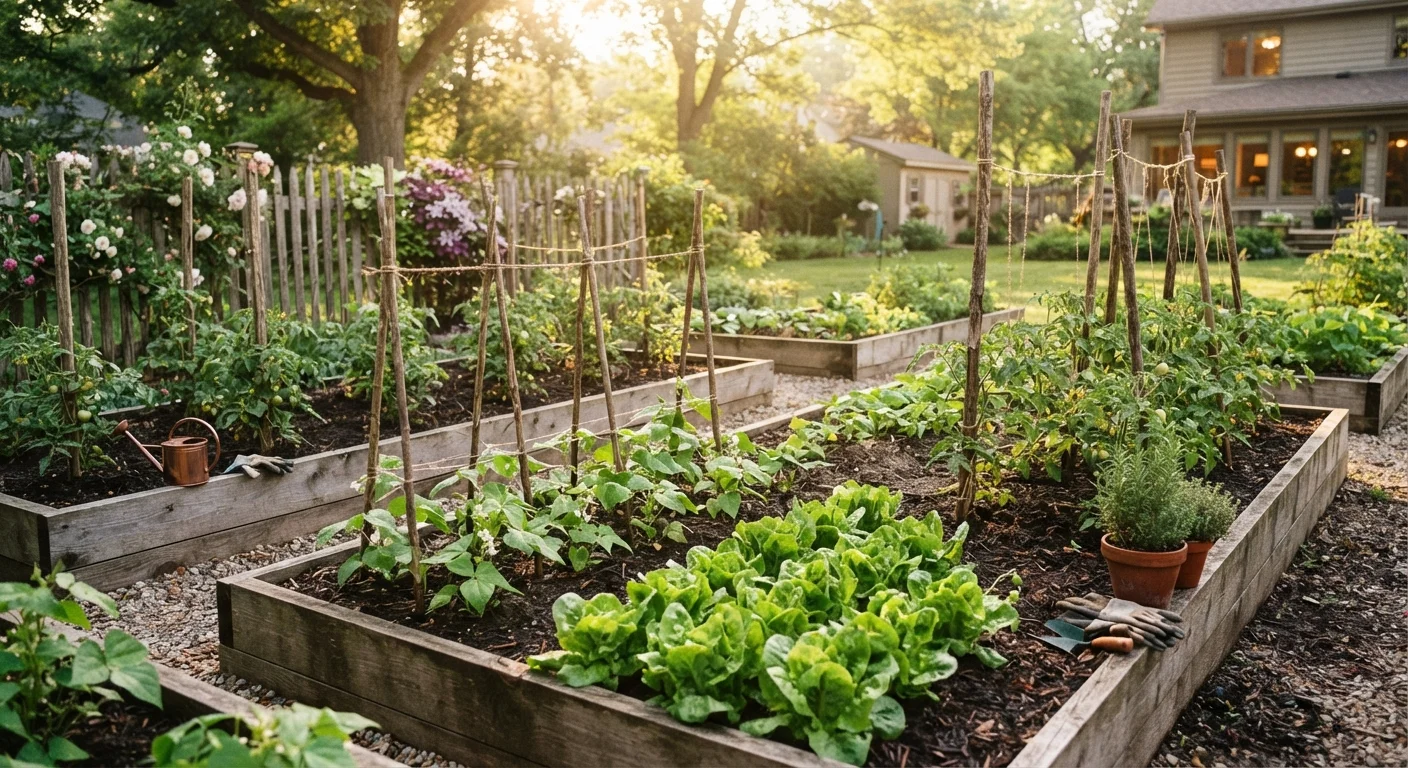
Photo: InsightsBlock.com | Access Information With Ease editorial
Key Takeaways
- Most vegetables need at least 6 hours of direct sunlight per day to produce well.
- Soil quality matters more than any other single factor in a vegetable garden's success.
- Start small - a 4×8-foot plot is manageable and teaches you the fundamentals.
- Matching your planting dates to your local frost calendar prevents costly crop failures.
- Easy-to-grow vegetables like lettuce, radishes, and zucchini build confidence quickly.
Choosing the Right Location
The single most important decision you'll make before planting a single seed is where your garden will live. Vegetables are sun-hungry plants - most need a minimum of 6 full hours of direct sunlight each day, with 8 hours being preferable for fruiting crops like tomatoes and peppers.
Walk your yard at several points during the day and observe how shadows from your home, fences, and trees move across potential garden spots. Avoid low-lying areas where water pools after rain, as consistently wet soil suffocates roots and invites disease. Proximity to a water source also matters - dragging a hose across the yard daily becomes a chore that discourages consistency.
If your in-ground options are limited by shade or poor drainage, don't rule out container gardening or a raised bed. Our article on raised garden bed trade-offs walks through the real costs and benefits of going that route before you commit.
Frost date
The average date in spring (last frost) or fall (first frost) when freezing temperatures are likely to occur in your region. Used to time planting and harvest.
Hardening off
The gradual process of exposing seedlings grown indoors to outdoor conditions over one to two weeks so they can adjust without being shocked by wind, sun, and temperature swings.
Loam
An ideal soil texture that balances sand, silt, and clay in roughly equal proportions. Loamy soil drains well, holds some moisture, and supports healthy root growth.
Bolting
When a plant shifts energy from leaf or root production into flowering and seed production, often triggered by heat or long days. Bolted leafy greens usually become bitter and tough.
Companion planting
Growing certain plants in proximity because they benefit each other - for example, by attracting beneficial insects, deterring pests, or making more efficient use of space.
Direct sowing
Planting seeds directly into the garden soil outdoors rather than starting them in containers indoors first. Best suited to crops that don't transplant well, like carrots and beets.
Understanding and Preparing Your Soil
Soil is your garden's foundation, and neglecting it is the most common reason first-time gardens underperform. Healthy vegetable garden soil is loose, drains well, holds some moisture, and is rich in organic matter. The scientific shorthand is loam - a balanced mix of sand, silt, and clay with plenty of organic content.
Before adding anything, consider having your soil tested. Many county cooperative extension offices offer low-cost testing kits that reveal pH and nutrient levels. Most vegetables prefer a soil pH between 6.0 and 7.0. If your soil is too acidic, ground limestone can raise pH; if too alkaline, sulfur or peat moss can lower it.
Regardless of your starting point, working 2-4 inches of finished compost into the top 8-10 inches of soil is the single most reliable improvement you can make. Compost improves drainage in clay soils, adds water retention to sandy soils, and feeds the microbial life plants depend on. See our guide on composting at home if you'd like to make your own amendment over time.
Test Before You Amend
Planning Your Garden Layout
A little planning on paper saves a lot of frustration in the ground. Sketch your garden to scale and note which direction is north - this helps you place taller plants (like corn or staked tomatoes) on the north side so they don't shade shorter crops.
Spacing is non-negotiable. Crowded plants compete for water and nutrients and create humid conditions that encourage disease. Always refer to seed packet spacing recommendations; they are based on the mature size of the plant, not the seedling you're looking at today.
- Rows: Traditional row gardening leaves wide walkways between crops. It's easy to manage but uses more space.
- Intensive planting (square-foot gardening): Plants are arranged in a grid within a bed, maximizing yield per square foot. Ideal for small spaces.
- Companion planting: Some crops do better when grown near certain neighbors - classic examples include growing basil near tomatoes or marigolds around the perimeter to deter pests.
Keep pathways at least 18 inches wide so you can kneel, crouch, or set down a basket without stepping on your beds. Compacted soil in planting zones restricts root growth significantly.
Selecting Vegetables for Beginners
Resist the urge to plant everything that interests you in year one. A focused selection of reliable crops teaches you far more than an overwhelming variety. Group vegetables by their temperature preferences:
- Cool-season crops
- Lettuce, spinach, radishes, peas, and kale thrive in spring and fall when temperatures are mild. They bolt (go to seed and turn bitter) in summer heat.
- Warm-season crops
- Tomatoes, zucchini, cucumbers, peppers, and beans need consistently warm soil - typically above 60°F - to grow well. They are killed by frost.
For a beginner's first season, a practical starter selection might include: one or two tomato plants, a row of bush beans, a short row of radishes (ready to harvest in about 25 days), some lettuce for early harvests, and a zucchini plant (which tends to produce prolifically with minimal fuss).
If you're drawn to the idea that a productive garden connects to broader healthy habits, our guide on eating well from scratch explores how home-grown produce fits into a balanced approach to nutrition.
Timing, Planting, and What Comes Next
Getting your timing right is where many first-time gardeners stumble. The key reference point is your area's average last frost date in spring - the approximate date after which freezing temperatures are unlikely. Your local cooperative extension service publishes this by zip code or county.
Use that date as an anchor:
- 4-6 weeks before last frost: Start warm-season seeds (tomatoes, peppers) indoors under grow lights or on a sunny windowsill.
- 2-4 weeks before last frost: Direct-sow cool-season crops outdoors - lettuce, spinach, peas can handle light frost.
- On or after last frost: Transplant warm-season seedlings outdoors after a period of hardening off - gradually exposing indoor-grown plants to outdoor conditions over 7-10 days.
Once plants are in the ground, consistent care makes the difference. Water deeply 2-3 times per week rather than lightly every day. Mulch around plants with straw or wood chips to retain moisture and suppress weeds. Check plants regularly for signs of pests or disease - early intervention is always easier than managing a full infestation.
Keep a simple garden journal noting what you planted, when, and how it performed. That record becomes an invaluable planning tool for every season that follows. Starting small, staying observant, and building on what works is how a beginner's patch grows into a garden you genuinely look forward to tending.
Frequently Asked Questions
The content provided on our blog site traverses numerous categories, offering readers valuable and practical information. Readers can use the editorial team’s research and data to gain more insights into their topics of interest. However, they are requested not to treat the articles as conclusive. The website team cannot be held responsible for differences in data or inaccuracies found across other platforms. Please also note that the site might also miss out on various schemes and offers available that the readers may find more beneficial than the ones we cover.