
Raised Garden Beds: Trade-Offs Every Homeowner Should Weigh First

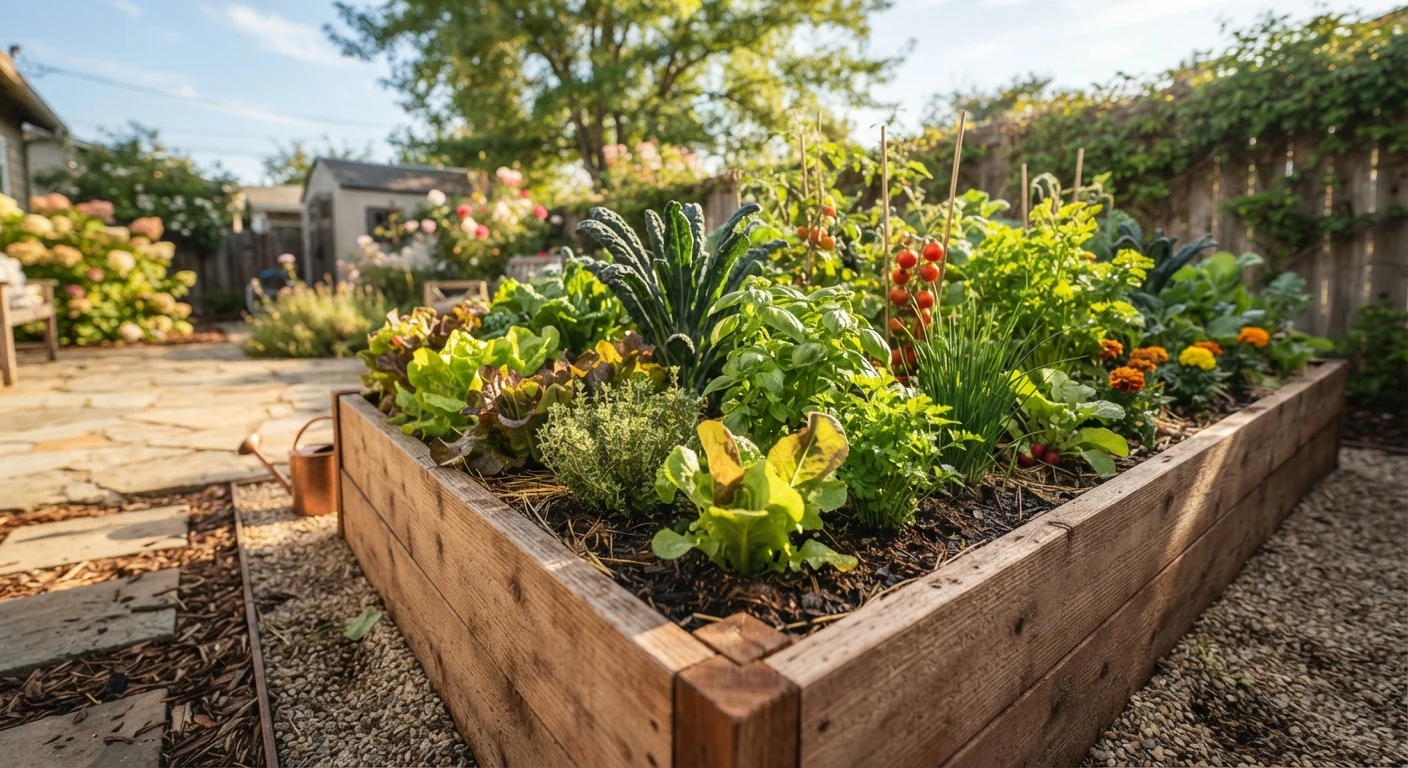
Photo: InsightsBlock.com | Access Information With Ease editorial
Key Takeaways
- Raised beds give you precise control over soil quality, drainage, and pH.
- Upfront costs for materials and soil fill can be significantly higher than in-ground planting.
- Elevated beds reduce back strain and can deter some ground-level pests.
- The contained soil volume dries out faster, requiring more frequent watering.
- Raised beds often extend the growing season by warming up earlier in spring.
Full control over soil quality and composition
You fill raised beds with a chosen growing medium, bypassing poor native soil entirely. This is particularly valuable where ground soil is compacted, clay-heavy, or nutrient-depleted.
Improved drainage reduces root rot risk
Raised beds drain more freely than flat ground, which prevents waterlogging - a common cause of plant failure in heavier soils.
Easier on the back and knees
Taller beds reduce how far you need to bend while planting, weeding, and harvesting. This is a meaningful benefit for gardeners with limited mobility or chronic joint discomfort.
Earlier spring planting due to faster soil warm-up
Elevated soil warms up more quickly in late winter and early spring than ground-level soil, giving you a head start on the growing season.
Naturally defined, weed-resistant edges
The frame creates a clear boundary that slows grass and weed encroachment from surrounding lawn areas, reducing ongoing weeding effort.
Can deter some ground-dwelling pests
The raised height creates a physical barrier that makes it harder for certain pests - such as slugs and some burrowing insects - to access plant roots.
Higher upfront material and soil costs
Building frames and purchasing quality soil fill can cost significantly more per square foot than preparing an in-ground plot, especially for larger garden areas.
Soil dries out faster than in-ground beds
The contained, elevated volume loses moisture more quickly, which often means watering more frequently - particularly during warm or windy weather.
Soil nutrients deplete and must be replenished
Without regular compost or fertilizer additions, the fixed soil volume becomes nutrient-poor over one to two seasons, reducing yields.
Frame materials degrade over time
Wood frames - especially untreated lumber - can rot within a few years. Replacing or repairing frames adds to the long-term maintenance cost.
Not cost-effective for large growing areas
The per-square-foot expense of raising and filling large beds makes raised-bed gardening impractical at scale compared to in-ground alternatives.
Limited root depth for some crops
Standard beds of 6-12 inches may not provide enough depth for deep-rooting vegetables like parsnips, carrots, or some squash varieties without careful planning.
What Raised Garden Beds Actually Are
A raised garden bed is a contained growing area built above the existing ground level, typically framed with wood, metal, stone, or composite materials. The frame is filled with a custom soil mix rather than relying on native ground soil. Beds range from a few inches deep to knee height or taller - sometimes called elevated planters when mounted on legs.
They differ from traditional in-ground gardens in one important way: you define almost every growing condition from the start. That's both the core appeal and the source of most trade-offs. If you're planning your first edible garden, our guide to starting a vegetable garden from scratch walks through foundational decisions like sunlight, spacing, and soil before you commit to a bed style.
The Real Advantages of Raised Beds
The benefits of raised beds are well-documented among home gardeners, though results depend heavily on construction quality and ongoing care.
Full control over soil quality and composition
You fill raised beds with a chosen growing medium, bypassing poor native soil entirely. This is particularly valuable where ground soil is compacted, clay-heavy, or nutrient-depleted.
Improved drainage reduces root rot risk
Raised beds drain more freely than flat ground, which prevents waterlogging - a common cause of plant failure in heavier soils.
Easier on the back and knees
Taller beds reduce how far you need to bend while planting, weeding, and harvesting. This is a meaningful benefit for gardeners with limited mobility or chronic joint discomfort.
Earlier spring planting due to faster soil warm-up
Elevated soil warms up more quickly in late winter and early spring than ground-level soil, giving you a head start on the growing season.
Naturally defined, weed-resistant edges
The frame creates a clear boundary that slows grass and weed encroachment from surrounding lawn areas, reducing ongoing weeding effort.
Can deter some ground-dwelling pests
The raised height creates a physical barrier that makes it harder for certain pests - such as slugs and some burrowing insects - to access plant roots.
Soil control is the standout advantage. By filling beds with a blended growing medium - typically a mix of topsoil, compost, and an aerating amendment - you sidestep problems like clay-heavy or rocky native soil entirely. For gardeners working with difficult ground, this alone can be transformative. Pairing rich bed soil with regular compost additions keeps nutrients replenished over time; see our composting at home guide for a practical starting point.
The improved drainage and warmer soil temperatures in early spring also mean a meaningfully longer growing window in many climates, which is a genuine productivity gain for vegetable growers.
The Trade-Offs You Should Plan For
Raised beds involve real costs and ongoing demands that in-ground gardens typically don't.
Higher upfront material and soil costs
Building frames and purchasing quality soil fill can cost significantly more per square foot than preparing an in-ground plot, especially for larger garden areas.
Soil dries out faster than in-ground beds
The contained, elevated volume loses moisture more quickly, which often means watering more frequently - particularly during warm or windy weather.
Soil nutrients deplete and must be replenished
Without regular compost or fertilizer additions, the fixed soil volume becomes nutrient-poor over one to two seasons, reducing yields.
Frame materials degrade over time
Wood frames - especially untreated lumber - can rot within a few years. Replacing or repairing frames adds to the long-term maintenance cost.
Not cost-effective for large growing areas
The per-square-foot expense of raising and filling large beds makes raised-bed gardening impractical at scale compared to in-ground alternatives.
Limited root depth for some crops
Standard beds of 6-12 inches may not provide enough depth for deep-rooting vegetables like parsnips, carrots, or some squash varieties without careful planning.
Watering frequency deserves extra attention. The elevated, contained soil volume loses moisture faster than the ground, especially during hot or windy periods. If you're in a dry climate or a busy household, this can become a maintenance burden. A well-planned irrigation setup helps considerably - our comparison of drip irrigation vs. sprinkler systems can help you match a watering approach to the bed layout. Timing matters too: see why watering schedules matter more than volume for broader context on efficient irrigation habits.
Treated Lumber and Food Safety
Soil, Mulch, and Long-Term Maintenance
A raised bed's productivity is only as good as what you fill it with - and that quality needs active maintenance. Soil in enclosed beds compacts more slowly than in-ground plots, but it does settle and lose structure over time. Annual additions of compost are the most reliable way to sustain nutrient levels and soil texture.
Mulching the surface of a raised bed is especially important given the faster moisture loss. Organic mulch - straw, wood chips, or shredded leaves - slows evaporation, moderates soil temperature, and suppresses weeds. Our breakdown of organic vs. inorganic mulch options covers the trade-offs of each material so you can choose what fits your bed and budget.
Frame materials also require periodic attention. Untreated wood is affordable but may rot within a few years depending on climate and moisture exposure. Cedar and redwood are more naturally rot-resistant. Metal frames are durable but can heat up significantly in direct sun, which affects root zone temperature.
When In-Ground or Alternative Approaches Make More Sense
Raised beds aren't the universal answer. If your native soil is already loamy and well-draining, the case for building raised beds weakens considerably - the soil improvement benefit disappears, and you're left paying for structure and fill you may not need.
Gardeners working with large areas will find in-ground planting far more cost-effective. The per-square-foot cost of filling a raised bed with quality soil mix can add up quickly at scale. Similarly, if you're interested in plants that are well-adapted to your local environment and soil, native plants for low-maintenance landscaping may be a more practical and economical approach - no imported soil required.
The most useful framing is to treat raised beds as a targeted tool rather than a default. Use them where they solve a specific problem: difficult soil, physical accessibility, tight space, or a desire for a clearly defined kitchen garden near the house.
6-12 in.
Recommended minimum soil depth for most vegetables
Most cooperative extension programs recommend at least 6 inches of quality soil depth for shallow-rooted crops, and 12 or more for root vegetables.
2-4x
Potential yield increase per square foot vs. in-ground
Gardening researchers have noted that intensively managed raised beds - with optimized soil and close plant spacing - can produce meaningfully higher yields per square foot, though outcomes vary widely.
The content provided on our blog site traverses numerous categories, offering readers valuable and practical information. Readers can use the editorial team’s research and data to gain more insights into their topics of interest. However, they are requested not to treat the articles as conclusive. The website team cannot be held responsible for differences in data or inaccuracies found across other platforms. Please also note that the site might also miss out on various schemes and offers available that the readers may find more beneficial than the ones we cover.