
Secured vs. Unsecured Debt: A Plain-Language Breakdown

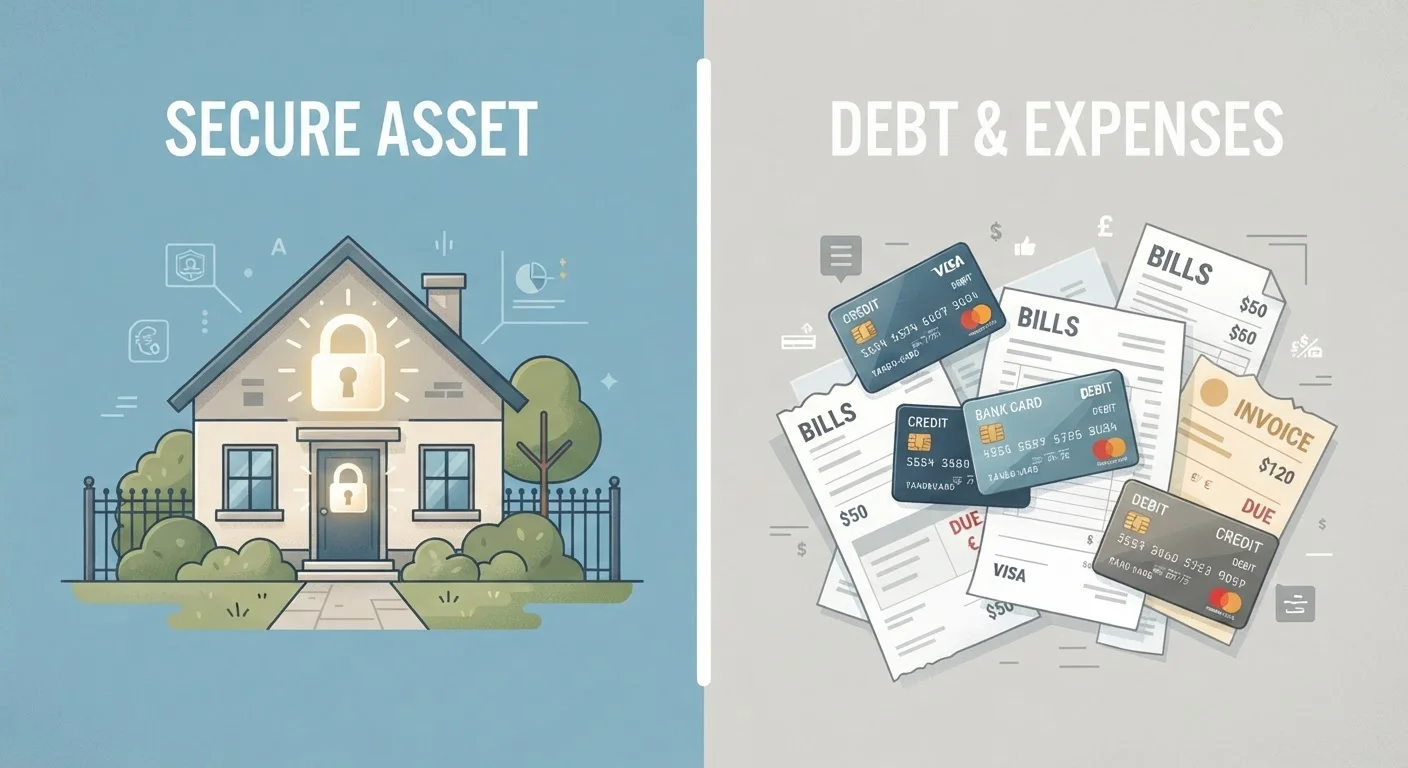
Photo: InsightsBlock.com | Access Information With Ease editorial
Key Takeaways
- Secured debt is backed by collateral; unsecured debt is not - that distinction shapes your risk exposure.
- Secured loans typically carry lower interest rates because lenders have a recovery option if you default.
- Defaulting on secured debt can mean losing your home, car, or other pledged asset.
- Unsecured debt usually costs more to borrow but doesn't put specific assets directly on the line.
- Understanding which type you're dealing with helps you prioritize payments and negotiate more effectively.
The Core Distinction: Collateral
The single biggest difference between secured and unsecured debt is collateral - an asset you pledge to the lender as a guarantee. If you stop making payments on a secured debt, the lender has a legal claim to that asset. With unsecured debt, no specific asset is tied to the loan.
Think of it this way: a mortgage is secured by your home. If you default, the lender can foreclose. A credit card balance, by contrast, is unsecured - the card issuer can't immediately seize your television if you miss payments, though they have other legal remedies.
This distinction matters because it fundamentally changes the risk calculation for both parties. For lenders, collateral is a safety net. For borrowers, it's a stake in the ground. For a grounded introduction to common debt concepts, see our debt terms glossary.
Secured Debt: Lower Rates, Higher Stakes
Common examples of secured debt include mortgages, auto loans, home equity loans, and secured personal loans. Because the lender can recoup losses by repossessing or selling the collateral, they take on less risk - and that lower risk typically translates to lower interest rates for borrowers.
The trade-off is significant: you're putting an asset on the line. Defaulting on a mortgage can lead to foreclosure. Defaulting on an auto loan can result in repossession. Beyond losing the asset, the lender may still pursue you for any remaining balance if the sale doesn't cover what you owe - a concept known as a deficiency balance.
Don't Underestimate Secured Debt Default Risk
Secured debt also often involves a more formal approval process, including appraisals, title checks, and lien filings. This paperwork isn't bureaucratic noise - it's the legal mechanism that gives the lender their claim on your asset.
Unsecured Debt: More Flexibility, Higher Cost
Unsecured debt includes credit cards, medical bills, student loans, and most personal loans. Because there's no collateral backing the obligation, lenders face more risk if a borrower defaults - and they price that risk into higher interest rates.
The average credit card interest rate is substantially higher than the average mortgage rate, reflecting this risk gap. Approval for unsecured debt leans more heavily on your credit score, income, and debt-to-income ratio.
| Secured Debt | Unsecured Debt | |
|---|---|---|
| Collateral required | Yes - asset pledged to lender | No collateral required |
| Typical interest rates | Generally lower | Generally higher |
| Common examples | Mortgage, auto loan, home equity loan | Credit card, medical bill, personal loan |
| Default consequence | Repossession or foreclosure of asset | Collections, credit damage, possible judgment |
| Approval factors | Credit, income, and asset value/appraisal | Credit score, income, debt-to-income ratio |
| Borrower flexibility | Less - tied to specific asset | More - funds often unrestricted |
If you default on unsecured debt, lenders can report the delinquency to credit bureaus, charge off the account, sell it to a collection agency, or sue you in court to obtain a judgment. A judgment can lead to wage garnishment or bank account levies - so while there's no direct asset seizure upfront, the consequences are still serious. For a broader look at when borrowing serves a clear purpose, see our guide on debt as a financial tool.
Why It Matters for Repayment Strategy
Understanding which of your debts are secured versus unsecured can sharpen your repayment priorities. As a general principle - not personalized advice - many financial educators suggest prioritizing secured debts first because missing those payments carries the most immediate, tangible consequence: losing your home or vehicle.
That said, the full picture is more nuanced. High-interest unsecured debt can compound quickly and become harder to escape over time. Your specific circumstances - income stability, overall debt load, and asset values - should guide your approach. A licensed financial counselor can help you build a plan tailored to your situation.
If you're considering consolidating multiple balances, the secured vs. unsecured distinction is also relevant there. See how debt consolidation works for a clear breakdown of the mechanics and trade-offs. And if you're evaluating a personal loan to manage existing debt, what to know before taking out a personal loan covers the key terms and decisions involved.
This article is for general informational and educational purposes only and does not constitute personalized financial, legal, or tax advice. Consult a qualified financial professional for guidance specific to your situation.
The content provided on our blog site traverses numerous categories, offering readers valuable and practical information. Readers can use the editorial team’s research and data to gain more insights into their topics of interest. However, they are requested not to treat the articles as conclusive. The website team cannot be held responsible for differences in data or inaccuracies found across other platforms. Please also note that the site might also miss out on various schemes and offers available that the readers may find more beneficial than the ones we cover.