
Introducing a Second Cat Into Your Home

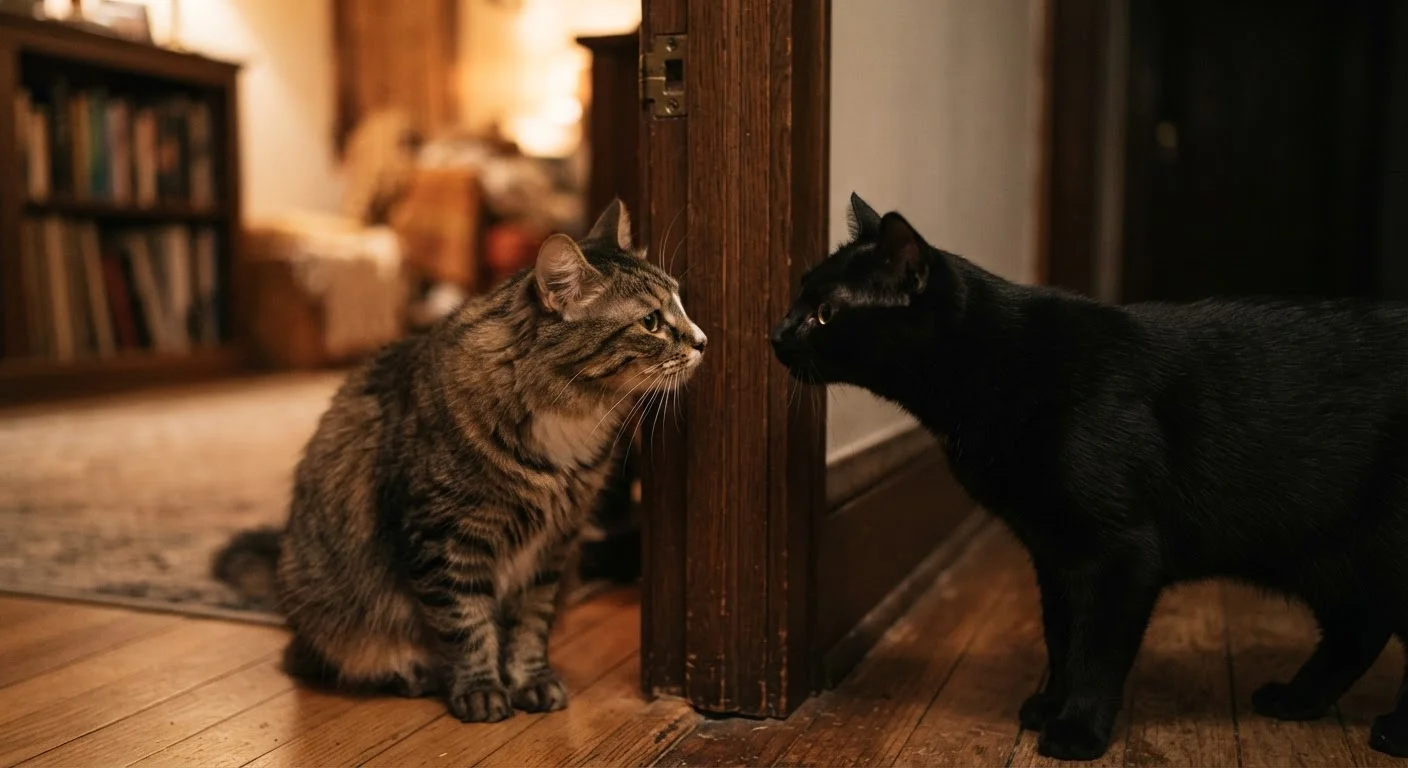
Photo: InsightsBlock.com | Access Information With Ease editorial
Key Takeaways
- Rushing introductions is the most common reason cats fail to get along - patience is essential.
- Scent swapping before any face-to-face contact dramatically reduces territorial stress.
- Each cat needs its own separate resources: food bowls, water, litter boxes, and resting spots.
- Hissing and growling during early meetings is normal; sustained aggression is a sign to slow down.
- The full introduction process can take anywhere from two weeks to several months.
- A veterinarian or feline behaviorist can help if introductions stall or aggression escalates.
Why Cat Introductions Need a Structured Approach
Cats are fundamentally territorial animals. Unlike dogs, who often rely on social hierarchy to resolve conflict, cats evolved as solitary hunters, which means their instinct is to protect resources rather than share them. When a new cat enters the home, your resident cat perceives it as a direct threat - even if that cat is friendly and well-adjusted.
Skipping steps or moving too fast is the single most common mistake owners make. A confrontational first meeting can create lasting fear or aggression that takes months to undo. A slow, scent-first approach, by contrast, allows both cats to form neutral associations before they ever share the same space.
If you're still in the early planning stage, our guide to bringing a cat home for the first time covers everything from safe-room setup to reading early stress signals - a useful foundation before you start the steps below.
What you will need
Step-by-Step: Introducing Your New Cat
Follow these steps in order. Do not advance to the next phase until both cats are calm and relaxed in the current one. Rushing a step because things seem to be going well is one of the most common pitfalls.
Prepare a dedicated safe room for the new cat
Before the new cat arrives, set up a separate room - a spare bedroom or bathroom works well - with everything it needs: food, water, a litter box, bedding, a scratching post, and hiding spots. This room will be the new cat's sole territory for at least the first several days. Keep the door closed at all times.
Your resident cat should have full, undisturbed access to the rest of the home during this period. Do not reduce your resident cat's routine, attention, or resources.
Begin scent swapping without any visual contact
Scent is a cat's primary social language. After a day or two, begin exchanging scent between the cats using a soft cloth or sock. Rub it gently on one cat's cheeks and face area, then place it near - not directly under - the other cat's food bowl. Repeat this in both directions daily.
You can also swap bedding between the two cats' spaces. The goal is for each cat to associate the other's scent with something neutral or positive (proximity to food) before any face-to-face encounter.
Feed both cats on opposite sides of the closed door
Once both cats are comfortable with each other's scent on cloths or bedding, begin feeding them simultaneously on either side of the safe-room door. Start with the bowls several feet from the door, then gradually move them closer over several sessions until both cats are eating calmly right at the door threshold.
This step builds a positive association between the other cat's presence (signaled by sound and scent through the door) and a pleasurable activity - eating.
Allow brief visual contact through a barrier
When both cats are relaxed at the door during feeding, introduce a visual element. Options include cracking the door slightly with a doorstop, using a baby gate with a blanket partially draped over it (to allow peering without full visual exposure), or a mesh screen door. Allow short sessions - two to five minutes - then separate the cats again.
Watch body language closely. Calm curiosity (slow blinking, relaxed posture, brief glances) is a green light. Intense staring, puffed tails, or lunging at the barrier means the cats need more time at earlier steps.
Allow supervised, shared access to a neutral space
Choose a room neither cat has spent significant time in, if possible. Open the safe-room door and allow the new cat to explore while you observe. Do not force interaction. Provide clear escape routes and elevated surfaces for both cats. Keep first sessions short - under ten minutes - and gradually extend duration as both cats remain calm.
Interrupt any sustained staring or stalking by redirecting attention with a toy or a gentle sound. Do not physically intervene in a confrontation unless injury is imminent, as this can escalate fear.
Gradually extend shared time and reduce separation
Over days to weeks, extend the time both cats spend together while you're present. As tensions continue to decrease - signaled by the cats eating near each other, grooming themselves calmly in shared spaces, or simply ignoring each other - you can begin leaving them together for short periods while you are home but not actively watching.
Full unsupervised cohabitation should only happen once both cats have consistently shown relaxed body language over multiple sessions across several days. This milestone may take two weeks, two months, or longer depending on the individual cats.
Calming Pheromone Diffusers May Help
Ongoing Management and What to Watch For
Once both cats are cohabiting freely, the work isn't entirely finished. Multi-cat households require intentional resource management to prevent low-grade tension from building over time. The general guideline from feline behaviorists is one litter box per cat, plus one extra - placed in different locations so no single cat can block access.
Vertical space matters too. Cat trees, shelves, and elevated perches give each cat a sense of territory and an escape route, which reduces face-offs at ground level. If either cat begins hiding, over-grooming, or avoiding food, those can be signs of chronic stress worth discussing with your veterinarian.
Senior cats deserve special consideration. An older resident cat with arthritis or sensory decline may find a boisterous kitten particularly stressful. Our guide to keeping a senior cat comfortable outlines what attentive care looks like as cats age, which can inform how you structure a household with mixed-age cats.
If introductions have stalled or you're seeing sustained aggression - not just hissing but chasing, biting, or injury - contact a veterinarian or a certified feline behaviorist. This is general guidance for typical introductions; individual cats with trauma histories or medical conditions may need a tailored approach.
This article is for general informational purposes only and is not a substitute for professional veterinary or behavioral advice. Always consult a qualified veterinarian if you have concerns about your cat's health or behavior.
The content provided on our blog site traverses numerous categories, offering readers valuable and practical information. Readers can use the editorial team’s research and data to gain more insights into their topics of interest. However, they are requested not to treat the articles as conclusive. The website team cannot be held responsible for differences in data or inaccuracies found across other platforms. Please also note that the site might also miss out on various schemes and offers available that the readers may find more beneficial than the ones we cover.