
Bringing a Cat Home for the First Time

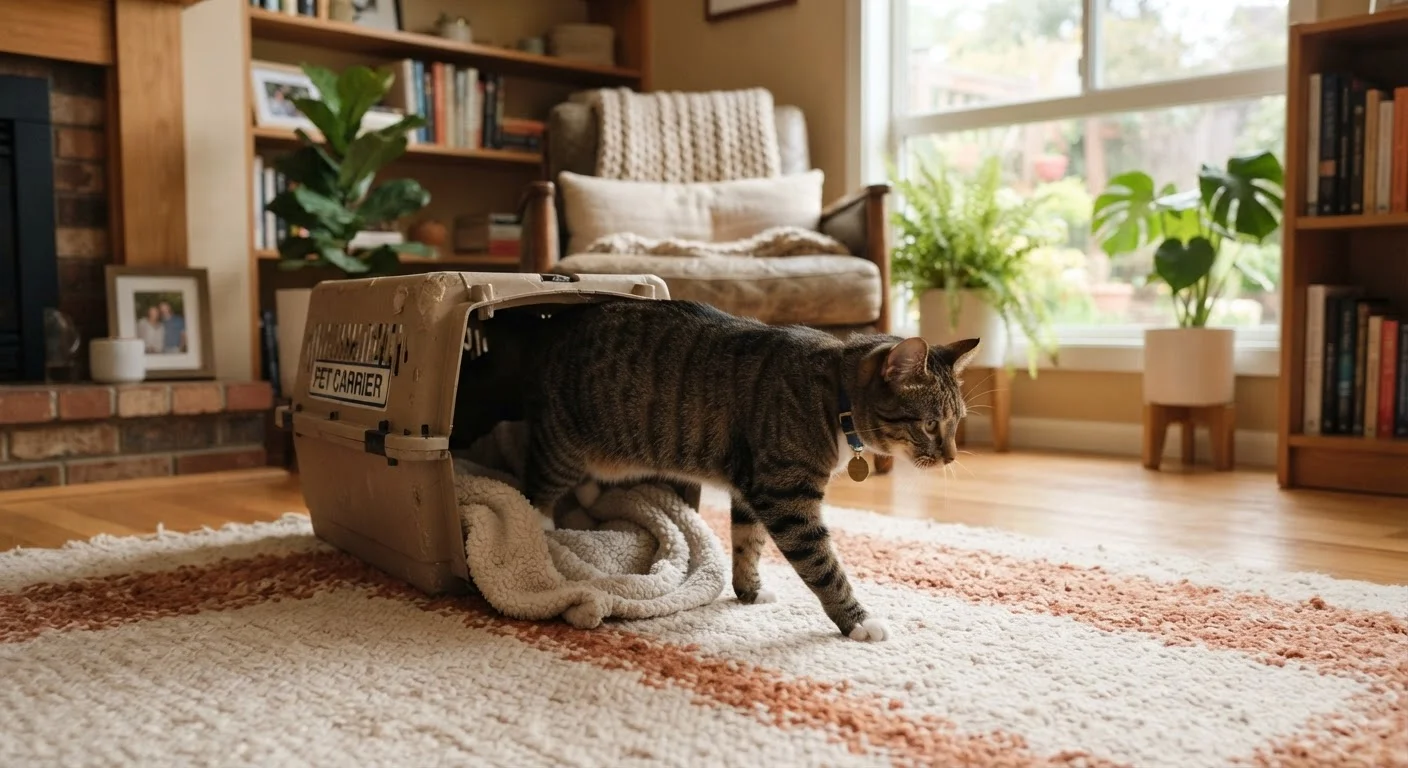
Photo: InsightsBlock.com | Access Information With Ease editorial
Key Takeaways
- Confining a new cat to one room first dramatically reduces stress and helps them adjust faster.
- Most cats need several days to two weeks before they feel comfortable in a new home.
- A vet visit within the first week is strongly recommended, even for seemingly healthy cats.
- Litter box placement and type matter - getting it wrong early can create lasting habits.
- Reading your cat's body language helps you know when to engage and when to give space.
Before Your Cat Arrives: Essential Prep
Preparation done before pickup day makes the difference between a chaotic first evening and a calm one. Start by cat-proofing your home: secure dangling cords, tuck away toxic houseplants (such as lilies, pothos, and philodendron), and remove small objects that could be swallowed. Check that window screens are sturdy and that there are no gaps behind large appliances where a frightened cat might disappear.
Gather the core supplies before your cat comes through the door:
- Carrier - a hard-sided or well-ventilated soft carrier lined with a familiar-smelling blanket
- Litter box and unscented clumping litter - most adult cats tolerate clumping litter well; kittens under four months typically need non-clumping for safety
- Food and water bowls - preferably stainless steel or ceramic, which are easy to sanitize
- Age-appropriate food - confirm with the shelter or breeder what the cat has been eating
- Scratching post - an essential outlet that protects your furniture from the start
If you share your home with others, designate one calm person as the primary contact for the first day. Too many people crowding around immediately raises a cat's anxiety significantly.
Base room
A single, contained room where a new cat is initially confined to reduce overwhelm and help them adjust to one manageable space before exploring the rest of the home.
Stress grooming
Excessive licking or grooming triggered by anxiety. It's a common self-soothing behavior in cats adjusting to new environments and usually resolves as the cat settles.
Vertical space
Elevated areas like cat trees, shelves, or window perches that allow cats to observe their environment from a safe height. Cats use vertical space to feel secure and in control.
Litter box aversion
A cat's reluctance or refusal to use the litter box, often triggered by the wrong litter type, an inconvenient location, or an insufficiently clean box.
Socialization window
A developmental period in kittens (roughly 2-7 weeks of age) during which exposure to people, sounds, and environments has the greatest positive influence on long-term temperament.
Setting Up a Safe Base Room
Rather than releasing your cat into the full home immediately, set up a single quiet room as their base - a spare bedroom or bathroom works well. Place the litter box, food, water, a hiding spot, and a cozy bed in that room. This approach limits the sensory overwhelm that comes with an entirely unfamiliar environment.
Choose a room where foot traffic is predictable rather than constant. A room next to a busy hallway is less ideal than a quieter back bedroom. Make sure the litter box and food bowls are on opposite ends of the room - cats are strongly averse to eating near where they eliminate.
Include at least one enclosed hiding option, such as a covered cat bed, a cardboard box on its side, or a carrier left open with a soft blanket inside. Hiding is how cats process stress; taking that option away increases anxiety rather than encouraging socialization.
Use a 'scent swap' to ease the transition
The First 24-72 Hours: What to Expect
Open the carrier in the base room and step back. Let your cat choose when to emerge - this could take minutes or hours. Resist the urge to coax them out. Sit quietly in the room if you like, reading or working on a laptop, so your cat can observe you without feeling pressured.
Common behaviors in the first 72 hours include hiding, stress grooming (excessive licking), reduced appetite, and vocalizing. These are normal responses to a major environmental change. Continued eating, drinking, and using the litter box - even minimally - are positive signs. A cat that refuses food for more than 24-36 hours, or shows signs of lethargy or labored breathing, warrants a call to your vet.
Learning to interpret your cat's signals helps enormously during this period. Understanding feline body language - from flattened ears to a tucked tail - tells you when to engage and when to give more space.
Feeding, Litter, and Vet Care Basics
Feed the same food your cat ate before adoption for at least the first week. If you plan to transition to a different food, do so over 7-10 days by gradually mixing in the new formula. Sudden diet changes commonly cause vomiting and diarrhea, which adds stress on top of an already stressful transition.
For litter box success, place boxes in low-traffic areas that your cat can reach easily and exit quickly - cats feel vulnerable while eliminating. If problems arise, litter box avoidance has identifiable causes that are worth understanding before assuming it's a behavioral issue.
Schedule a vet appointment within the first week, even if your cat appears healthy. A new-patient exam gives you a baseline record, confirms vaccine status, and screens for parasites that aren't always visible. Bring any records from the shelter or breeder. This visit is also an opportunity to discuss spay/neuter timing if your cat hasn't already been altered.
Expanding Your Cat's World
Once your cat is consistently using the litter box, eating well, and moving around the base room without obvious signs of stress - typically after several days to a week - you can begin opening the door to the rest of the home. Do this gradually: one additional room at a time, supervised at first.
Continue to provide the base room as a retreat. Cats often return to their safe space voluntarily when they feel overstimulated or want quiet. Removing that option too quickly can undo progress.
If you have another cat at home, keep them separated during this entire initial period. Multi-cat introductions require a deliberate process - introducing a second cat properly reduces territorial conflict and gives both animals a stronger foundation for coexistence.
As your cat settles in, you'll also want to consider lifestyle decisions like indoor versus outdoor access. Weighing the tradeoffs of indoor vs. outdoor life is worth doing before habits are established rather than after. The first weeks at home shape your cat's expectations - getting the foundation right makes everything that follows easier.
ASPCA Animal Poison Control Center
A reference for identifying household plants, foods, and substances that are toxic to cats. Useful for cat-proofing your home before your new pet arrives.
Indoor Cat Initiative (Ohio State University)
A veterinary-developed resource covering environmental enrichment and behavioral needs for indoor cats, grounded in feline behavior research.
Frequently Asked Questions
The content provided on our blog site traverses numerous categories, offering readers valuable and practical information. Readers can use the editorial team’s research and data to gain more insights into their topics of interest. However, they are requested not to treat the articles as conclusive. The website team cannot be held responsible for differences in data or inaccuracies found across other platforms. Please also note that the site might also miss out on various schemes and offers available that the readers may find more beneficial than the ones we cover.