
Keeping a Senior Cat Comfortable and Healthy

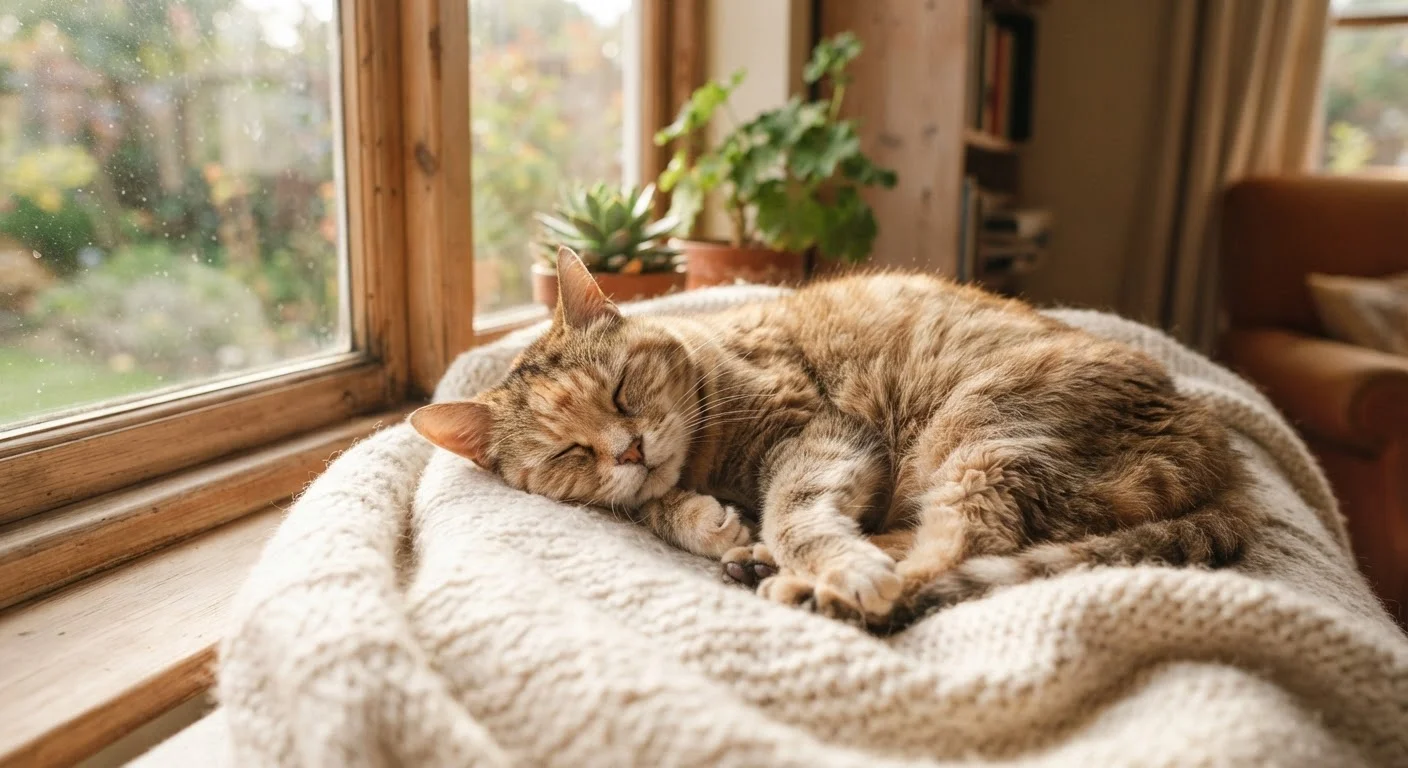
Photo: InsightsBlock.com | Access Information With Ease editorial
Key Takeaways
- Cats are generally considered senior at age 11 and geriatric at 15, with care needs shifting at each stage.
- Twice-yearly veterinary visits are widely recommended for cats in their senior years.
- Environmental modifications like ramps and low-sided litter boxes can significantly improve an older cat's comfort.
- Diet quality and hydration become increasingly important as feline kidneys and digestion change with age.
- Behavioral changes in senior cats often signal underlying health issues worth discussing with a veterinarian.
When Does a Cat Become 'Senior'?
Most veterinary organizations classify cats as senior around age 11 and geriatric at 15 or older. However, individual cats age at different rates depending on genetics, lifestyle, and prior health history. Understanding where your cat falls on this spectrum helps set realistic expectations for what attentive care looks like. For a broader view of feline wellness across all life stages, see our comprehensive guide to cat health from kittenhood to old age.
It's also worth noting that the transition into senior status rarely comes with dramatic overnight changes. Instead, shifts tend to be gradual - a little less jumping, slightly different eating habits, or a preference for warmer spots. Recognizing these subtle shifts early gives you more time to respond constructively.
Veterinary Care: Why Frequency Matters
Annual vet visits are a reasonable baseline for younger cats, but most veterinarians recommend moving to twice-yearly wellness exams once a cat enters senior years. Age-related conditions like kidney disease, hyperthyroidism, hypertension, and dental disease are significantly more manageable - and less costly to treat - when caught early through routine screening.
“In older cats, the biggest mistake owners make is assuming that slowing down or behavioral changes are just a normal part of aging. Many of those signs are treatable conditions in disguise.”
— Veterinary Internal Medicine Specialist, Board-certified veterinary internist specializing in feline aging
At each senior wellness visit, your veterinarian will typically assess weight, organ function via bloodwork, dental health, mobility, and sensory changes. Preparing for these appointments helps you get more out of them. Our annual vet visit checklist for cat owners outlines what to bring, what to ask, and what to expect.
Nutrition and Hydration for Older Cats
Senior cats often experience a decline in kidney function, reduced digestive efficiency, and changes in muscle mass - all of which make diet increasingly important. A veterinarian can help you evaluate whether your cat's current food is appropriate for their age and health status, and whether a therapeutic or senior-formulated diet may be warranted.
Transition to a senior-appropriate diet only after consulting your veterinarian
Offer multiple water sources throughout the home
Schedule wellness exams every six months rather than annually
Modify the home environment to accommodate reduced mobility
Track weight and body condition regularly at home between vet visits
Hydration is particularly important for older cats, who are at elevated risk for kidney disease and urinary tract issues. Many cats of all ages are chronically under-hydrated when eating only dry food. Offering wet food, a cat water fountain, or multiple fresh water stations around the home are practical strategies many veterinarians support.
Environmental Comfort and Accessibility
Arthritis is common in older cats and frequently underdiagnosed because cats are skilled at masking discomfort. Even cats who don't show obvious signs of pain may be quietly struggling to jump onto elevated surfaces or step over the high walls of a standard litter box.
Small home modifications can make a meaningful difference. Low-entry litter boxes, steps or ramps to favorite resting spots, and orthopedic or heated beds reduce physical strain. Keep food, water, and a litter box on every floor your cat uses - this minimizes the need for stair-climbing when joints are stiff.
Senior cats also tend to benefit from predictability and routine. If you're considering changes like introducing a new pet, read our guide to introducing a second cat for advice on managing the process in a way that minimizes stress.
Monitoring Behavior as a Health Indicator
Behavior changes are among the most telling early indicators of health changes in senior cats. Increased vocalization, changes in litter box habits, decreased grooming, or withdrawal from social interaction can all reflect underlying medical conditions rather than personality shifts. It's worth taking these changes seriously rather than attributing them solely to 'old age.'
Some behavioral changes in older cats overlap with signs of stress. Our article on signs of stress that owners often overlook can help you distinguish between anxiety-driven behaviors and those more likely tied to physical discomfort.
This article is for general informational purposes only and is not a substitute for professional veterinary advice. Always consult a licensed veterinarian regarding your individual cat's health and care needs.
The content provided on our blog site traverses numerous categories, offering readers valuable and practical information. Readers can use the editorial team’s research and data to gain more insights into their topics of interest. However, they are requested not to treat the articles as conclusive. The website team cannot be held responsible for differences in data or inaccuracies found across other platforms. Please also note that the site might also miss out on various schemes and offers available that the readers may find more beneficial than the ones we cover.