
Signs of Stress in Cats That Owners Often Overlook

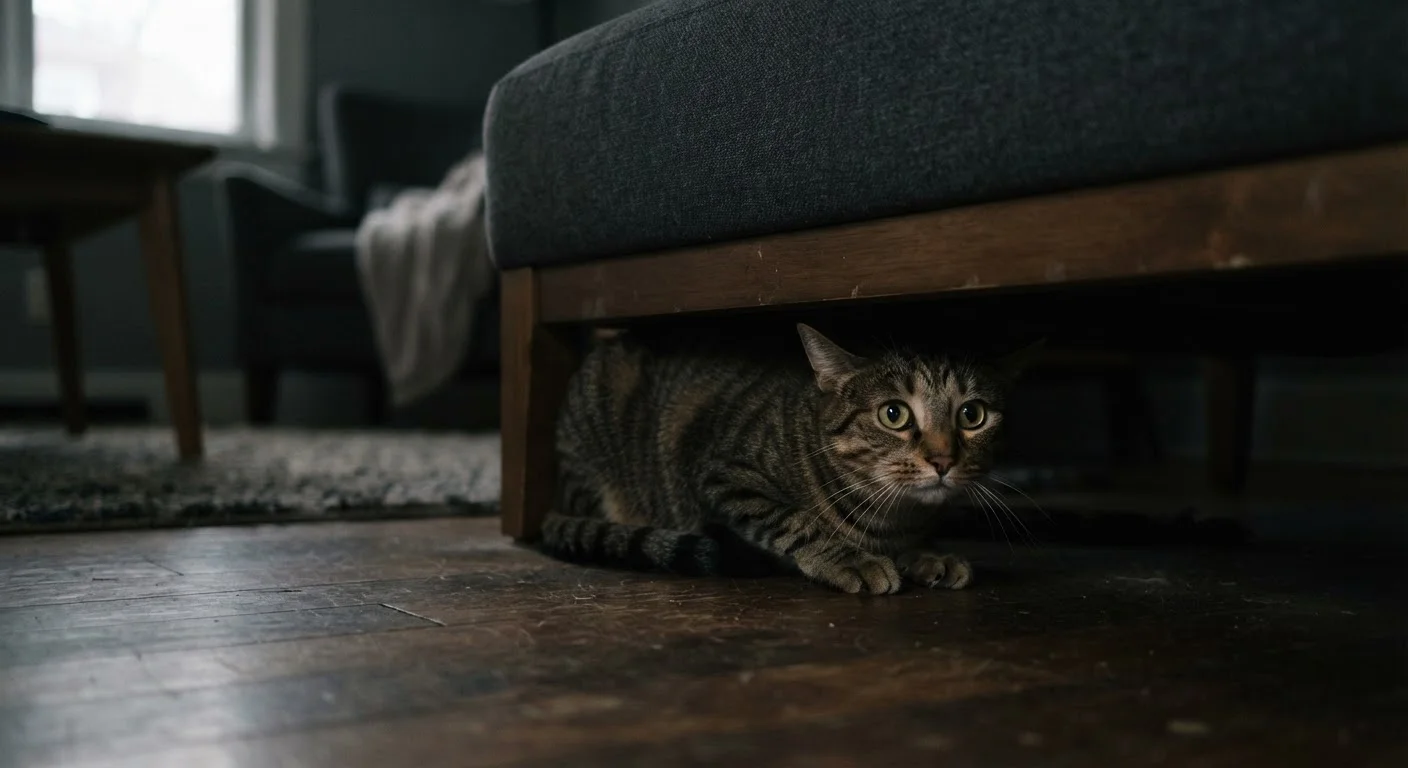
Photo: InsightsBlock.com | Access Information With Ease editorial
Key Takeaways
- Cats rarely display stress openly; behavioral and physical changes are often the only clues.
- Over-grooming, hiding, and litter box changes are among the most commonly missed stress signals.
- Chronic stress can contribute to physical health problems, so early recognition matters.
- A veterinarian should be consulted when stress signs are persistent or accompanied by physical symptoms.
Why cat stress is so easy to miss
Cats evolved as both predators and prey, which means masking vulnerability is deeply wired into their behavior. Unlike dogs, who often signal distress visibly and vocally, cats tend to internalize anxiety - making stressed cats among the most misread pets in a household. What looks like independence or aloofness can sometimes be withdrawal driven by chronic stress.
Recognizing stress early matters for more than behavioral reasons. Sustained psychological stress in cats has been linked to physical health consequences, including immune suppression and bladder inflammation. The signs below are the ones veterinarians and animal behaviorists most commonly see overlooked by well-meaning owners.
Stress and physical illness can overlap
Seven stress signals to watch for
Excessive or compulsive grooming
Cats groom to self-soothe - so when stress levels rise, grooming can escalate into a compulsive behavior. You may notice patches of thinning fur, skin redness, or even small bald spots, most often on the belly, inner legs, or base of the tail. Veterinarians call this psychogenic alopecia - hair loss driven by psychological rather than medical causes, though both should be ruled out. If your cat's coat looks patchy or you catch them grooming insistently for extended periods, a vet visit is worthwhile to identify the trigger.
Compulsive grooming that causes hair loss is a well-recognized sign of chronic feline stress.
Increased hiding or withdrawal
All cats appreciate solitude, but a stressed cat will withdraw far beyond their normal baseline. They may spend hours tucked behind appliances, inside closets, or under beds - emerging only for basic needs or not at all. This behavioral retreat is a self-protective response to perceived threats, including new people, other animals, construction noise, or household disruption. If your cat's hiding behavior is new or intensifying, treat it as a signal rather than a personality quirk.
Hiding that goes beyond a cat's normal baseline often signals that something in their environment feels threatening.
Changes in litter box habits
Urinating or defecating outside the litter box is one of the most reported - and misunderstood - feline behaviors. While medical conditions like urinary tract infections or bladder inflammation should always be excluded first, stress is a documented contributor to inappropriate elimination. Cats under stress may also spray vertical surfaces to mark territory as a coping response. Understanding the reasons cats avoid their litter box can help you distinguish a behavioral issue from an environmental one.
Litter box avoidance linked to stress is common but often mistaken for defiance rather than distress.
Altered appetite or eating patterns
Stress can suppress a cat's appetite or, less commonly, trigger stress-eating. A cat that suddenly stops finishing meals, skips feedings, or begins eating dramatically more than usual deserves closer attention. Since appetite changes can also reflect illness, it's important not to attribute them to stress alone without ruling out underlying health conditions. Prolonged reduced food intake in cats can lead to serious complications, so don't wait more than 24-48 hours before consulting a veterinarian.
Both reduced and increased eating can be stress responses - neither should be dismissed without investigation.
Aggression toward people or other pets
A cat that suddenly hisses, swats, bites, or redirects aggression onto housemates may be responding to an unresolved stressor rather than displaying a personality change. Redirected aggression - where a cat lashes out at the nearest available target after being startled or frustrated - is a well-documented phenomenon. If an ordinarily calm cat becomes unpredictably reactive, consider what environmental changes may have preceded the shift: new pets, changes in routine, or outdoor animals visible through windows are common triggers.
Sudden aggression in a previously calm cat is a stress signal, not a character flaw.
Excessive vocalization
While some breeds are naturally vocal, a noticeable increase in meowing, yowling, or crying - especially at night - can indicate anxiety. Senior cats may vocalize more due to cognitive changes, so age context matters here. For a fuller picture of what your cat's vocalizations and postures are communicating, understanding feline body language can help you respond more accurately to their needs.
A sudden increase in vocalization, especially in previously quiet cats, often reflects emotional distress.
Digestive upset without an obvious cause
Vomiting, diarrhea, or constipation that recurs without a clear dietary explanation may have a stress component. The gut-brain connection is well established in mammals, and cats are not exempt. Chronic stress can disrupt normal digestive function, making an already sensitive system more reactive. This does not mean stress is always the culprit - gastrointestinal symptoms always warrant veterinary evaluation - but if medical causes have been ruled out, environmental factors should be considered.
Recurring digestive upset with no clear medical cause may have stress-related roots worth exploring with a vet.
What to do if you recognize these signs
If several of the behaviors above match what you're observing, start by scheduling a veterinary appointment. Stress signs can mirror medical symptoms, and a physical exam helps rule out illness before attributing changes to anxiety. Your vet may also refer you to a veterinary behaviorist for persistent or complex cases.
At home, focus on stability: consistent feeding times, accessible hiding spots, and minimizing unpredictable noise or traffic through your cat's space can reduce baseline anxiety meaningfully. If you share your home with multiple cats, ensure each has separate resources - food stations, litter boxes, and resting areas - to reduce competition-related stress.
Track changes before your vet visit
For senior cats, stress signs can sometimes overlap with age-related cognitive or physical changes. Our guide to caring for older cats covers how attentive environmental support shifts as cats age. And if you're ever unsure whether your cat's symptoms warrant a vet visit, the observable signs outlined in knowing when a pet needs veterinary attention offer a useful reference framework.
This article is for general informational purposes only and is not a substitute for professional veterinary advice. Always consult a qualified veterinarian if you have concerns about your cat's health or behavior.
The content provided on our blog site traverses numerous categories, offering readers valuable and practical information. Readers can use the editorial team’s research and data to gain more insights into their topics of interest. However, they are requested not to treat the articles as conclusive. The website team cannot be held responsible for differences in data or inaccuracies found across other platforms. Please also note that the site might also miss out on various schemes and offers available that the readers may find more beneficial than the ones we cover.