
Signs Your Small Pet May Need a Vet Visit

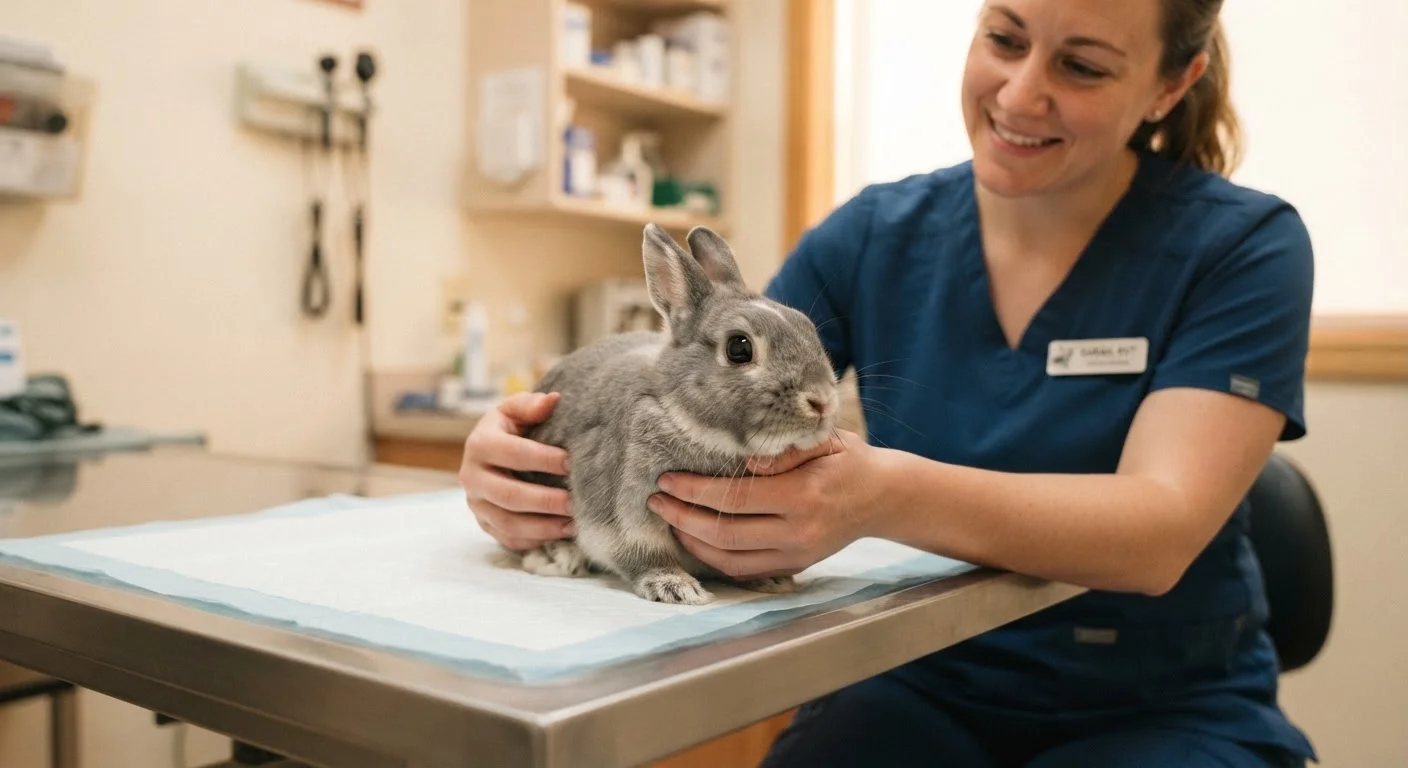
Photo: InsightsBlock.com | Access Information With Ease editorial
Why Small Pets Require Extra Vigilance
Rabbits, guinea pigs, hamsters, gerbils, birds, and other small pets share an important trait: they are prey animals by nature, and most instinctively mask signs of illness until a condition becomes significant. By the time obvious symptoms appear, a health issue may already be advanced. This is why attentive, routine observation is one of the most important habits you can develop as a small pet owner.
Unlike dogs and cats, small pets are less likely to whimper or seek comfort when something is wrong. Instead, changes show up in subtle behavioral shifts, altered eating patterns, and variations in droppings or physical appearance. Learning your pet's baseline - how much they normally eat, how active they typically are, what their droppings usually look like - gives you a reference point to notice when something is off.
For a broader foundation of small pet care, see our complete owner's reference covering diet, housing, and veterinary care across species.
| Species covered | Rabbits, guinea pigs, hamsters, gerbils, rats, birds |
| Time without eating (rabbits) before concern | 12 hours or less (General veterinary guidance for rabbit GI health) |
| Key bird distress sign | Fluffed feathers, low perch posture |
| Vet type for birds and exotic mammals | Exotic animal veterinarian |
| Always urgent symptoms | Labored breathing, seizures, complete appetite loss, no droppings |
Observable Signs That Warrant a Vet Call
The following categories cover the most clinically significant warning signs across common small pet species. None of these signals should be dismissed as "just a phase" or monitored indefinitely without professional input.
Changes in Eating or Drinking
A sudden drop in appetite - or a complete refusal to eat - is one of the most urgent red flags for small mammals. Rabbits and guinea pigs, for example, have digestive systems that require nearly constant movement; going even 12 hours without eating can signal a dangerous condition called GI stasis (see glossary). Increased or decreased water consumption can also indicate metabolic or kidney issues in rodents and rabbits.
Altered Droppings
Healthy small pets produce consistent, well-formed fecal pellets. Watery diarrhea, unusually small or misshapen droppings, droppings with mucus, or a complete absence of feces all warrant prompt veterinary attention. In rabbits, soft cecotropes (a normal type of dropping that is re-ingested) are distinct from diarrhea - but if you're unsure, a vet can clarify.
Behavioral and Activity Shifts
Lethargy, hiding more than usual, reluctance to move, or sudden aggression can all indicate pain or illness. Birds may fluff their feathers and sit low on the perch - a classic sign of distress in avian species. Hamsters who stop using their wheel or guinea pigs who stop vocalizing their usual sounds (called "wheeking") may be signaling that something is wrong.
Physical Symptoms
Watch for labored or noisy breathing, discharge from the eyes or nose, a wet or matted chin or bottom, lumps under the skin, tilting of the head (particularly in rabbits and rats), overgrown teeth, and any signs of hair loss or skin irritation. Weight loss that is visible - especially a prominent spine or hip bones - is a serious indicator in any small mammal.
GI Stasis
A condition in rabbits and some other small herbivores where the digestive system slows or stops moving. It is life-threatening if untreated and requires immediate veterinary attention.
Exotic Animal Veterinarian
A veterinarian with specialized training in non-traditional companion animals, including birds, rabbits, reptiles, and small mammals. Standard small animal vets may not have equivalent expertise with these species.
Cecotropes
Soft, nutrient-rich droppings produced by rabbits that are normally re-ingested directly from the hindquarters. They differ from standard fecal pellets and should not be confused with diarrhea.
Prey Animal Masking
The instinctive behavior in prey species to conceal signs of weakness or illness. This evolutionary trait means small pets may appear healthy until a condition is already well-advanced.
Head Tilt
A symptom in rabbits, rats, and some other small mammals where the head is held at an angle. It can indicate inner ear infection, neurological issues, or other conditions requiring veterinary diagnosis.
This article provides general health education for small pet owners and is not a substitute for professional veterinary advice. Always consult a qualified veterinarian for diagnosis and treatment of your pet's specific condition.
Finding the Right Veterinary Care
Not all veterinary practices are equally equipped to treat small exotic pets. General practice vets may handle rabbits or guinea pigs, but for birds, reptiles, or less common small mammals, you may need an exotic animal veterinarian (see glossary). Establishing a relationship with an appropriate vet before an emergency arises is strongly advisable.
If you're still setting up your small pet's care environment, our pre-pickup checklist includes guidance on securing veterinary contacts in advance. It's also worth knowing your pet's typical lifespan - our small pet lifespans reference can help you understand which life stages carry higher health risks.
When you call a vet's office, be prepared to describe: the species and approximate age of your pet, when you first noticed the symptom, any changes in diet or environment, and the current appearance of droppings. Clear, specific information helps the veterinary team triage your concern accurately.
Trust your instincts. If something seems wrong with your pet, it is always appropriate to call a veterinary professional - even if the situation turns out to be minor. Early intervention consistently leads to better outcomes for small animals.
The content provided on our blog site traverses numerous categories, offering readers valuable and practical information. Readers can use the editorial team’s research and data to gain more insights into their topics of interest. However, they are requested not to treat the articles as conclusive. The website team cannot be held responsible for differences in data or inaccuracies found across other platforms. Please also note that the site might also miss out on various schemes and offers available that the readers may find more beneficial than the ones we cover.