
Annual Vet Visit Checklist for Cat Owners

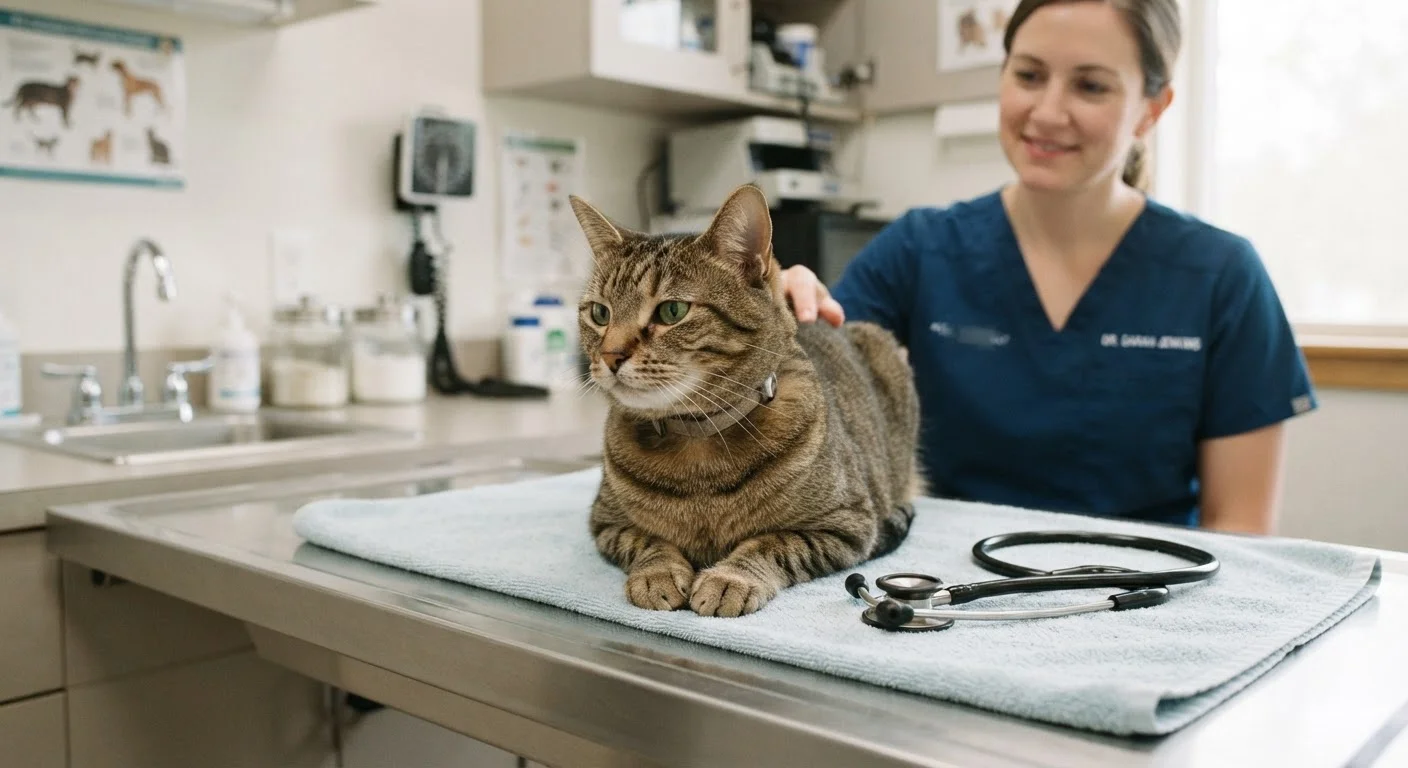
Photo: InsightsBlock.com | Access Information With Ease editorial
Key Takeaways
- Annual vet visits are essential for cats of all ages, not just when something seems wrong.
- Bringing a fresh stool sample and your cat's medical history saves time and improves accuracy.
- Prepare a written list of questions and behavioral observations before the appointment.
- Senior cats may benefit from twice-yearly exams due to faster health changes.
- Vaccination and parasite prevention decisions should be made collaboratively with your vet.
Why Annual Wellness Exams Matter for Cats
Cats are skilled at masking discomfort - a trait rooted in survival instinct. By the time a health problem becomes obvious at home, it may have been developing quietly for months. That's one of the most important reasons routine wellness exams exist: they give a veterinarian the chance to detect subtle changes before they escalate.
A yearly exam isn't just a vaccination appointment. It's a full-body assessment that covers weight, dental health, organ function, coat condition, and behavioral trends. For cats seven years and older, many vets recommend shifting to twice-yearly visits, since age-related conditions like kidney disease, hyperthyroidism, and arthritis can progress quickly. See our guide to senior cat care for what to watch for as your cat ages.
If your cat is new to your home, this checklist pairs well with bringing a cat home for the first time, which walks through the early setup and first vet visits. For a broader picture of feline health across life stages, cat health from kittenhood to old age covers the full arc of preventive care.
Secure, well-ventilated cat carrier
Safely transports your cat to and from the clinic while minimizing stress.
Stool sample container
Holds a fresh fecal sample for parasite screening during the exam.
Written question list
Ensures you cover all your concerns without forgetting important topics in the moment.
Cat's medical records folder
Provides the vet with an accurate history including past vaccines, diagnoses, and treatments.
Smartphone or notepad
Lets you record the vet's recommendations and instructions during the appointment.
Calming pheromone spray
Applied inside the carrier before travel to help reduce anxiety in stress-prone cats.
How to Use This Checklist
This checklist is divided into three phases: what to do before the appointment, what to address during the exam, and what to follow up on after you get home. Print it out or keep it open on your phone. Not every item will apply to every cat - a kitten's priorities differ from a ten-year-old indoor cat - but working through all three groups ensures nothing important gets overlooked.
Don't Wait for Symptoms to Book
Vaccination decisions are worth a specific conversation. Your vet will factor in your cat's lifestyle, age, and local disease prevalence to recommend core and non-core vaccines. Our article the cat vaccination schedule explained covers what those categories mean and why booster timing matters.
Before the Appointment
During the Exam
After the Appointment
After the Appointment: What Comes Next
The value of a vet visit doesn't end when you leave the clinic. Follow-through on recommendations - whether that's scheduling a dental cleaning, adjusting diet, starting a parasite prevention product, or returning for lab results - is where routine care pays off in the long run.
If your vet raised the topic of spaying or neutering and you want to understand the procedure better before deciding, spaying and neutering cats: the full picture offers a thorough, balanced overview to help frame that conversation.
Keep a dedicated folder - physical or digital - for your cat's records. Include vaccination certificates, lab reports, and any written instructions from the vet. Consistent documentation makes future appointments more efficient and ensures any new vet you see has an accurate history to work from.
This article is for general informational purposes only and is not a substitute for professional veterinary advice. Always consult a licensed veterinarian for guidance specific to your cat's health needs.
The content provided on our blog site traverses numerous categories, offering readers valuable and practical information. Readers can use the editorial team’s research and data to gain more insights into their topics of interest. However, they are requested not to treat the articles as conclusive. The website team cannot be held responsible for differences in data or inaccuracies found across other platforms. Please also note that the site might also miss out on various schemes and offers available that the readers may find more beneficial than the ones we cover.