
How Much Exercise Does Your Dog Actually Need?

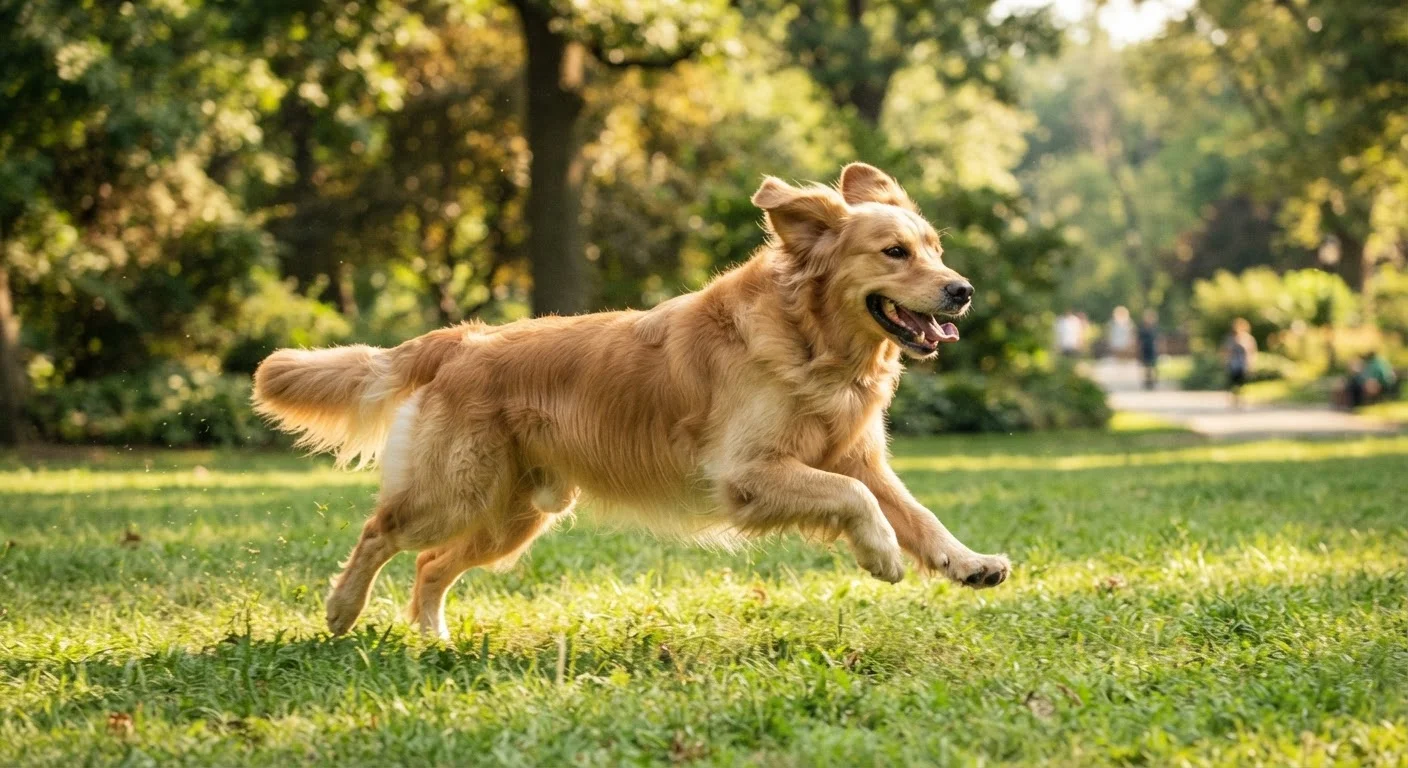
Photo: InsightsBlock.com | Access Information With Ease editorial
Key Takeaways
- Breed and energy level are the strongest predictors of how much daily exercise a dog needs.
- Most adult dogs benefit from at least 30 minutes to 2 hours of activity per day, split into multiple sessions.
- Puppies need shorter, more frequent bursts of play rather than long sustained exercise.
- Senior dogs still need regular movement, but intensity and duration should be adjusted for joint health.
- Mental stimulation - puzzle feeders, sniff walks, training - counts as part of a dog's overall activity needs.
- Signs of under- or over-exercise are both worth monitoring; consult a veterinarian if in doubt.
Why There's No Single Answer
One of the most common questions veterinarians hear is: "How much exercise does my dog need?" The honest answer is that it depends - and understanding what it depends on is what actually helps you get the routine right.
Exercise requirements in dogs are shaped by a combination of breed heritage, age, current health status, and individual temperament. A Siberian Husky bred for distance endurance has fundamentally different needs than a Shih Tzu bred for companionship. Treating them identically would leave one frustrated and one exhausted.
The goal isn't to hit an arbitrary daily step count. It's to provide enough physical and mental stimulation that your dog is calm, healthy, and well-adjusted - without pushing beyond what their body can safely handle.
56%
US dogs estimated to be overweight or obese
According to the Association for Pet Obesity Prevention, more than half of US dogs are classified as overweight or obese - a condition closely linked to insufficient physical activity.
30-120 min
Recommended daily exercise range for adult dogs
Most veterinary sources suggest healthy adult dogs need between 30 minutes and 2 hours of physical activity daily, depending on breed and health status.
5 min
Recommended exercise per month of puppy age
The "5-minute rule" is a commonly cited veterinary guideline: approximately 5 minutes of exercise per month of age, twice per day, to protect developing growth plates in puppies.
Breed and Energy Level: The Biggest Variable
Breed group is the most reliable starting framework. Dogs were selectively bred for specific work, and those instincts shape their energy output even in a suburban backyard.
- High-energy breeds (Border Collies, Australian Shepherds, Vizslas, Dalmatians) typically need 1.5-2+ hours of vigorous activity daily. Without it, they often develop destructive or anxious behaviors.
- Moderate-energy breeds (Labrador Retrievers, Boxers, Standard Poodles) generally do well with 1-1.5 hours of mixed activity including walks, fetch, and play.
- Lower-energy breeds (Basset Hounds, Bulldogs, Chow Chows) are satisfied with 30-60 minutes of activity, though they still need daily movement to stay healthy.
Brachycephalic breeds - those with flat faces, such as French Bulldogs and Pugs - require special attention. Their compressed airways make intense exercise genuinely risky, especially in warm weather. Shorter, cooler-weather outings are generally safer for these dogs.
Match Activity to Breed Energy Class First
Age Changes Everything
A dog's life stage is just as important as their breed when building an exercise plan.
Puppies have energy that seems limitless, but their skeletal systems are still developing. Growth plates - the soft tissue at the end of long bones - don't fully harden until a dog is 12-18 months old, depending on size. High-impact exercise like long runs or jumping can stress these areas. Veterinarians often recommend the "5-minute rule" as a loose guide: about 5 minutes of exercise per month of age, twice daily. Short play sessions are far better than sustained distance exercise for puppies.
Adult dogs (roughly 1-7 years, varying by size) are at peak physical capacity. This is the stage where consistent daily exercise is most straightforward to plan and most important for weight management and behavioral health.
Senior dogs still need regular movement, but the emphasis shifts toward maintaining mobility rather than building fitness. Gentle leash walks, low-impact swimming, and calm play keep joints supple and muscles supported. For more on how a senior dog's overall care needs shift, see our guide on feeding a senior dog.
Mental Exercise Counts Too
Physical exercise is only part of the equation. Dogs are problem-solving animals, and mental stimulation directly affects their stress levels and behavior. A dog that is physically tired but mentally understimulated may still be restless or destructive.
Activities that engage a dog's brain include:
- Sniff walks - allowing your dog to stop and investigate smells rather than keeping a brisk pace
- Food puzzle toys and slow feeders
- Basic obedience training sessions (even 10 minutes can be tiring)
- Nose work or scent games
For working breeds especially, mental enrichment is not optional - it's a core part of meeting their daily needs. Pairing physical and mental activity often means you don't need to run a dog for two hours to achieve a calm, settled household companion.
Reading Your Dog's Signals
Published guidelines are useful starting points, but your individual dog gives you the most accurate feedback.
Signs your dog may need more activity: destructive chewing, excessive barking, hyperactivity indoors, difficulty settling, weight gain.
Signs you may be overdoing it: stiffness after exercise, limping, excessive panting, reluctance to go out, sleeping more than usual.
Neither extreme is harmless. Over-exercised dogs - particularly puppies or dogs with underlying orthopedic conditions - are at real risk of injury. Under-exercised dogs face elevated risks of obesity, which in turn affects joint health, cardiac function, and lifespan.
If you're unsure where your dog falls, a conversation with your veterinarian is the right first step. They can assess your dog's body condition score, check for any physical limitations, and help you build a realistic activity plan. Nutrition and exercise work together - understanding what and how much your dog eats is equally important, and our article on what dog food labels are actually telling you can help round out the picture.
This article is for general informational purposes only and is not a substitute for professional veterinary advice. Always consult a licensed veterinarian regarding your dog's individual health and exercise needs.
Frequently Asked Questions
The content provided on our blog site traverses numerous categories, offering readers valuable and practical information. Readers can use the editorial team’s research and data to gain more insights into their topics of interest. However, they are requested not to treat the articles as conclusive. The website team cannot be held responsible for differences in data or inaccuracies found across other platforms. Please also note that the site might also miss out on various schemes and offers available that the readers may find more beneficial than the ones we cover.