
Small Pet Care From Housing to Health: A Complete Owner's Reference

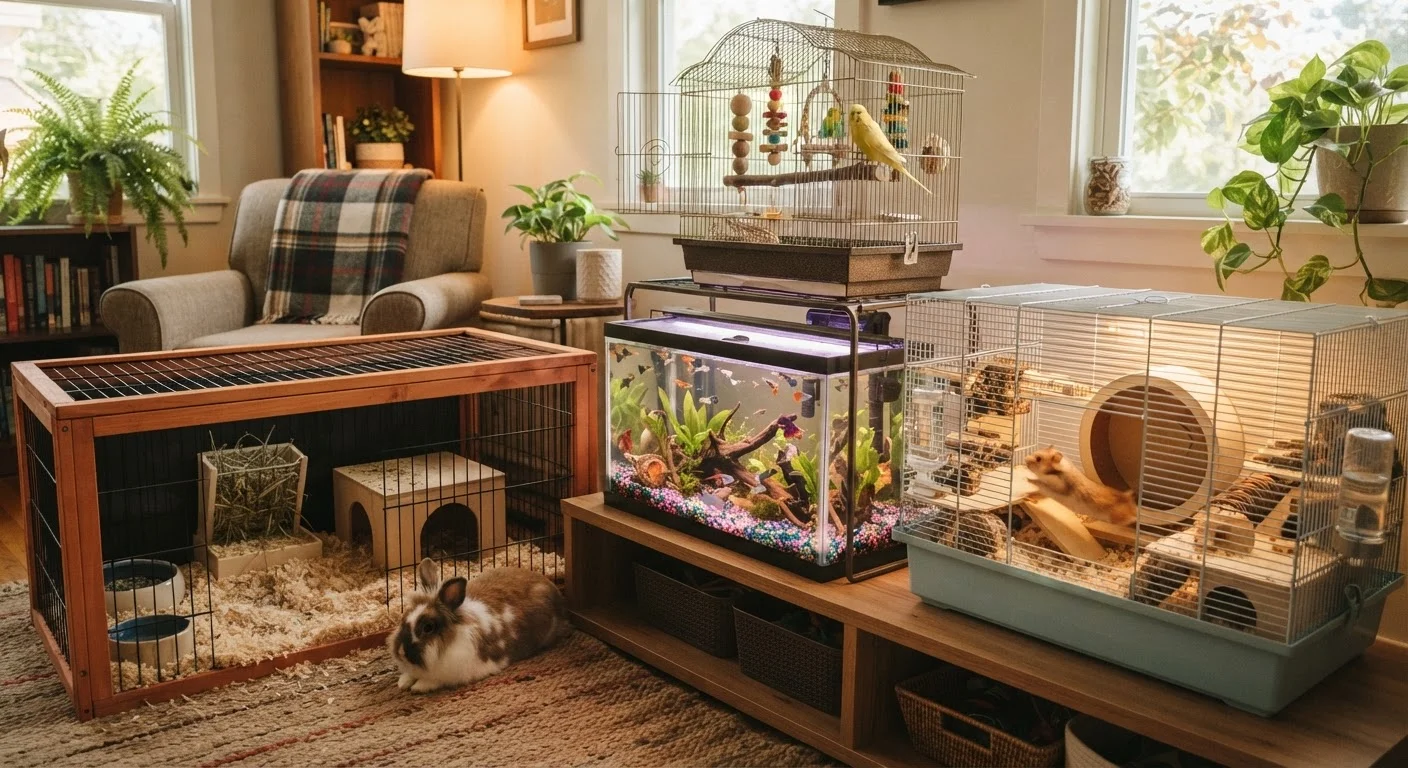
Photo: InsightsBlock.com | Access Information With Ease editorial
Key Takeaways
- Small pets have highly specific housing, diet, and social needs that vary significantly by species.
- Enrichment and appropriate enclosure size are just as important as food and water for small pet health.
- Many small pets mask illness; learn baseline behavior so changes are easier to spot.
- Exotic or 'pocket pet' veterinarians differ from general dog-and-cat practitioners - find one before you need one.
- Lifespan varies widely across species, from 2 years for some hamsters to 10-plus years for rabbits and parrots.
- Preparing before your pet arrives prevents the most common early ownership mistakes.
Who This Guide Is For
This reference is written for owners - and prospective owners - of small pets that fall outside the typical dog-and-cat categories. That includes fish, birds, rabbits, guinea pigs, hamsters, gerbils, rats, mice, and other pocket mammals. While dog care and cat care are well-documented fields, guidance for small and exotic pets is often scattered, inconsistent, or written for specialists rather than everyday owners.
This guide consolidates the core principles - housing, diet, enrichment, health monitoring, and veterinary care - into a single practical reference. It is general educational information, not a substitute for veterinary advice tailored to your individual pet. Species vary enormously, so treat every section as a starting point and verify specifics with a veterinarian experienced in your pet type.
If you are still deciding what species to bring home, our pre-arrival checklist can help you prepare before pickup day.
Housing: Space, Safety, and Setup
The single most common small-pet welfare mistake is underestimating how much space a species needs. Minimum cage sizes printed on packaging often reflect manufacturing economics, not animal welfare standards. Veterinary and welfare organizations generally recommend going larger than the stated minimum.
- Rabbits need significantly more space than most starter cages provide - a minimum of 8 square feet of living space plus daily exercise time outside the enclosure is a commonly cited welfare standard. See our full overview of rabbit ownership trade-offs for honest detail on their space and social requirements.
- Guinea pigs are social animals that should generally be kept in same-sex pairs or groups. A 7.5-square-foot footprint is a widely recommended minimum for a pair.
- Hamsters are solitary and territorial but still need more space than typical starter cages allow. Research consistently finds that hamsters display fewer stress behaviors in larger enclosures with deep bedding for burrowing.
- Birds require cages wide enough to spread their wings fully and benefit from daily supervised out-of-cage time.
- Fish need appropriately sized and cycled aquariums - the nitrogen cycle must be established before fish are introduced to avoid toxic ammonia buildup.
Set Up Housing Before Your Pet Arrives
Safety hazards to address at setup include exposed wires, toxic plants within reach, gaps that allow escapes, and materials treated with chemicals. Always verify that bedding, cage lining, and any paint or coating is non-toxic for the species you keep.
Nutrition Fundamentals by Pet Type
Diet is highly species-specific, and errors here - particularly overfeeding treats or relying on commercial seed mixes as a complete diet - are a leading cause of preventable health problems in small pets.
Weigh small mammals weekly using a digital kitchen scale and log the numbers. A 10% weight drop is often the earliest measurable sign that something is wrong - before behavioral changes become obvious.
Establish a relationship with an exotic-animal veterinarian before your pet gets sick. Emergency situations are far harder to navigate when you are also searching for a qualified practice for the first time.
- Rabbits and guinea pigs are herbivores that require unlimited timothy hay as their dietary foundation. Hay supports dental wear and gut motility. Fresh leafy greens supplement nutrients, while pellets should be measured rather than free-fed. Guinea pigs cannot synthesize vitamin C and must obtain it through diet (e.g., bell peppers, leafy greens).
- Hamsters and gerbils do well on a varied diet of quality pellet-based food supplemented with small amounts of vegetables, occasional protein (cooked egg, mealworm), and limited seeds. Seed-only mixes are nutritionally unbalanced.
- Pet rats are omnivores and thrive on lab block-style pellets supplemented with a variety of fresh foods. Avoid high-fat, high-sugar foods.
- Birds vary considerably by species. Parrots generally benefit from pelleted diets alongside fresh vegetables and limited fruit; seed-heavy diets are associated with nutritional deficiencies. Consult an avian veterinarian for species-specific guidance.
- Fish feeding depends on species (herbivore, carnivore, or omnivore) and tank environment. Overfeeding is a common water-quality problem - feed only what fish consume within a few minutes.
Fresh water must always be available and changed regularly. Water bottle spouts on small mammal cages should be checked daily, as they can become blocked.
Enrichment and Mental Well-Being
Small pets are often assumed to have minimal psychological needs. In reality, most species kept as pets are cognitively active animals whose welfare depends on appropriate stimulation.
- Foraging opportunities - hiding food in paper bags, tunnels, or scatter-fed on bedding - engage natural behaviors in rabbits, rodents, and birds alike.
- Exercise is critical. Hamsters can run several miles nightly on appropriately sized solid-surface wheels (mesh wheels cause foot and leg injuries). Rabbits need daily free-roaming time. Birds need out-of-cage flight and interaction.
- Social needs vary: guinea pigs and rats are highly social and do poorly alone; hamsters and some fish are better kept singly or with careful species matching.
- Novelty matters. Rotating toys, rearranging tunnels, or introducing new safe objects reduces repetitive or stress-related behaviors observed in under-stimulated animals.
Recognizing what is normal behavior for your specific pet is foundational - it is the baseline against which health changes become visible.
Recognizing Health Warning Signs
Small prey animals evolved to conceal signs of illness, which means visible symptoms often indicate a condition that has already progressed. Owners who know their pet's normal baseline - weight, activity level, droppings, appetite, posture - are better positioned to catch problems early.
General warning signs that warrant veterinary attention include:
- Changes in eating or drinking (significantly more or less than usual)
- Altered droppings - different color, consistency, volume, or complete absence
- Unusual posture, hunching, or reluctance to move
- Labored, noisy, or rapid breathing
- Discharge from eyes, nose, or mouth
- Sudden weight loss (a digital kitchen scale can help owners track weight in small mammals)
- Behavioral changes - hiding more, aggression, reduced interest in interaction
For a detailed breakdown of observable signs by category, see our guide to signs your small pet may need a vet visit.
Health Changes in Small Pets Are Often Urgent
Veterinary Care for Small Pets
Not all veterinarians are equipped to treat small and exotic pets. Dogs and cats dominate most general practice caseloads, and some clinics have little experience with rabbits, birds, or pocket mammals. Locating an exotic animal or small mammal veterinarian in your area before your pet falls ill is one of the most practical steps you can take as an owner.
Key veterinary care considerations by category:
- Rabbits should be spayed or neutered - this reduces reproductive cancers (particularly uterine cancer in females) and often improves temperament. Dental checks are important as rabbit teeth grow continuously.
- Guinea pigs benefit from periodic nail trims, dental assessments, and vitamin C level awareness. Urinary issues and respiratory infections are relatively common.
- Rodents (hamsters, gerbils, rats, mice) have short lifespans and can develop tumors, respiratory problems, and dental issues. Rats are notably susceptible to respiratory disease.
- Birds often need annual wellness exams with an avian veterinarian, including weight monitoring and - depending on species - beak and nail maintenance.
- Fish can be evaluated by veterinarians with aquatic expertise, though access varies. Water quality testing is the first diagnostic step in most fish health situations.
Ask potential veterinary practices specifically about their experience and equipment for your pet species before booking a first appointment.
Planning for the Long Term
Small does not mean short commitment. Lifespans across small pet species vary considerably - a hamster may live 2-3 years, while a rabbit commonly reaches 10-12 years, and some parrot species live for decades. Understanding this before acquiring a pet is essential to responsible ownership.
Our quick-reference lifespan guide provides a species-by-species overview to help set realistic expectations. Long-lived pets require ongoing financial planning for food, enclosure maintenance, enrichment, and veterinary care throughout their lives.
Consider also what happens to your pet if your circumstances change - who will care for them during travel, and what is your plan for their long-term wellbeing? These practical questions are part of responsible small pet ownership, regardless of the species involved.
This article is for general informational and educational purposes only. It is not a substitute for professional veterinary advice, diagnosis, or treatment. Always consult a qualified veterinarian for guidance specific to your pet's species, age, and health status.
The content provided on our blog site traverses numerous categories, offering readers valuable and practical information. Readers can use the editorial team’s research and data to gain more insights into their topics of interest. However, they are requested not to treat the articles as conclusive. The website team cannot be held responsible for differences in data or inaccuracies found across other platforms. Please also note that the site might also miss out on various schemes and offers available that the readers may find more beneficial than the ones we cover.