
Bringing a New Small Pet Home: What to Prepare Before Pickup Day

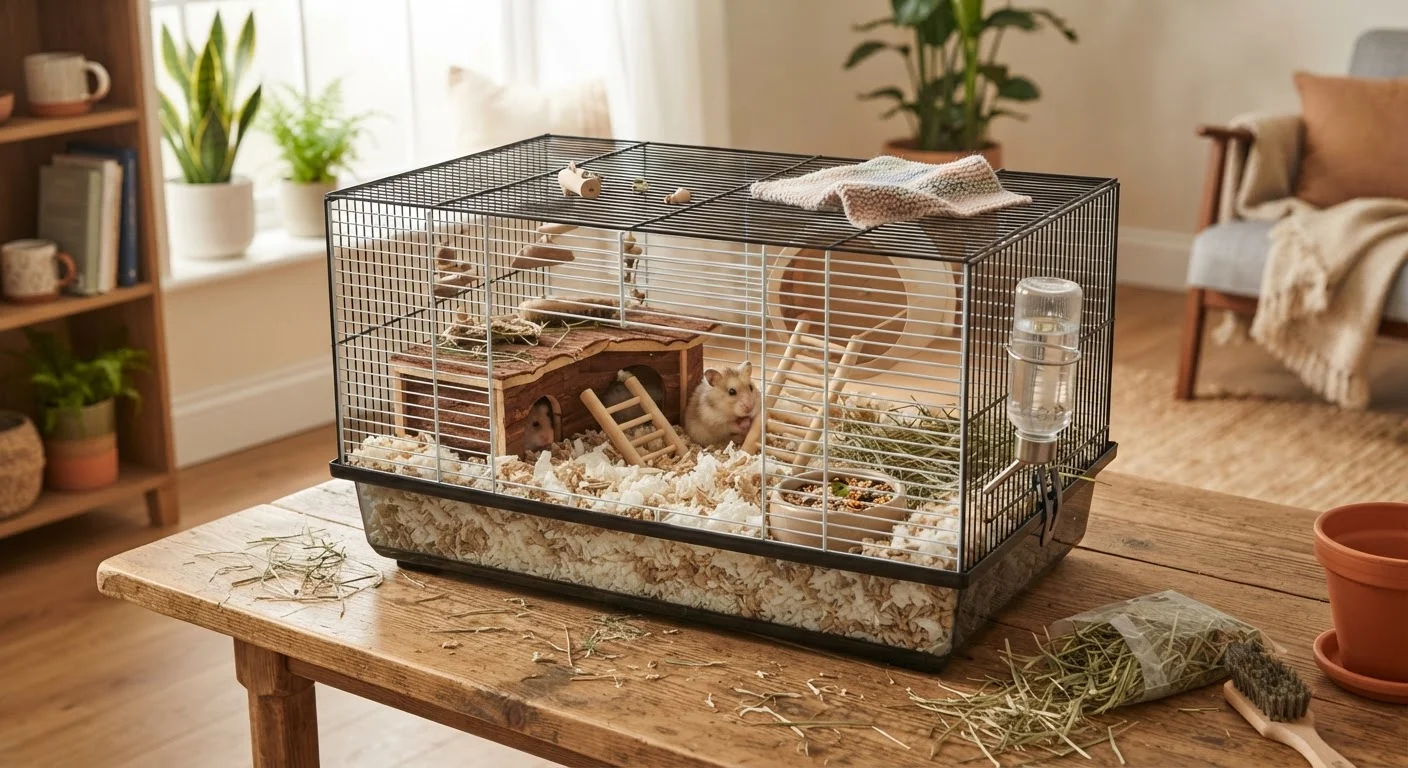
Photo: InsightsBlock.com | Access Information With Ease editorial
Key Takeaways
- Set up and test your pet's habitat completely at least 24 hours before bringing them home.
- Research species-specific diet and housing requirements before purchase day - needs vary widely.
- Locate an exotic or small-animal veterinarian before your pet arrives, not after.
- Minimize handling during the first 48-72 hours to reduce acclimation stress.
- Keep children and other pets away from the new arrival's space during the adjustment period.
Why Preparation Matters for Small Pets
Rabbits, guinea pigs, hamsters, gerbils, chinchillas, birds, reptiles, and other small pets are often described as low-maintenance - but that framing can create a false sense that improvising is fine. In reality, many small animals are physiologically sensitive to environmental changes and nutritional gaps. A hamster placed in a cage with the wrong bedding, or a young guinea pig fed only pellets, can face health complications quickly.
The good news is that most preparation work happens before pickup day, which means a little planning now prevents a stressful scramble later. If you're also bringing home a cat or dog, our guides on bringing a cat home for the first time and bringing a dog home for the first time walk through those transitions separately. This checklist focuses specifically on the needs of small and exotic pets.
Habitat Setup
Food and Water
Veterinary Preparation
Household Acclimation
Tools and Supplies You'll Need Ready
Before working through the checklist, gather the supplies listed below. Not all items apply to every species - a reptile owner's needs differ sharply from a guinea pig owner's - so cross-reference this list with your specific pet's requirements. When in doubt, consult a veterinarian who specializes in exotic or small animals. You can find signs that warrant a professional visit after your pet settles in by reviewing signs your small pet may need a vet visit.
Species-appropriate enclosure
Provides safe, correctly sized housing that meets the animal's physical and behavioral needs.
Substrate or bedding material
Lines the enclosure floor to support burrowing, comfort, and waste absorption for most small mammals.
Water bottle or heavy ceramic bowl
Delivers a clean, accessible water source without easy tipping or contamination.
Temperature and humidity gauge (thermometer/hygrometer)
Monitors enclosure climate - essential for reptiles, tropical birds, and chinchillas.
Secure travel carrier
Transports the pet safely from seller to home with minimal stress and escape risk.
Hide or shelter accessory
Gives prey animals a sense of security, which reduces chronic stress during acclimation.
Food storage container with lid
Keeps perishable or pest-attractive foods fresh and hygienic between feedings.
Notebook or phone app for health tracking
Helps you log eating, drinking, and behavioral observations to share with your veterinarian.
The First 72 Hours: Setting Expectations
Once your pet is home, the instinct is to interact immediately - but most small animals need quiet, low-stimulation time to acclimate. Prey species like rabbits and guinea pigs experience transportation as a stressful event. Giving them 24-48 hours to explore their enclosure undisturbed is one of the most impactful things you can do for long-term tameness and health.
Monitor eating and drinking during this period without excessive intervention. A brief drop in appetite on day one is common; continued refusal to eat or drink beyond 24-48 hours warrants a call to your veterinarian. Keep detailed notes during this window - the same habit that helps dog owners at check-ups (see what to track before a vet visit) applies equally to small pets.
Find an Exotic Vet Before You Need One
Avoid Abrupt Diet Changes After Arrival
This article provides general educational information for small pet owners and is not a substitute for professional veterinary advice. Always consult a licensed veterinarian for guidance specific to your pet's species, age, and health status.
The content provided on our blog site traverses numerous categories, offering readers valuable and practical information. Readers can use the editorial team’s research and data to gain more insights into their topics of interest. However, they are requested not to treat the articles as conclusive. The website team cannot be held responsible for differences in data or inaccuracies found across other platforms. Please also note that the site might also miss out on various schemes and offers available that the readers may find more beneficial than the ones we cover.