
Seasonal Car Prep: Getting Ready for Winter and Summer Driving

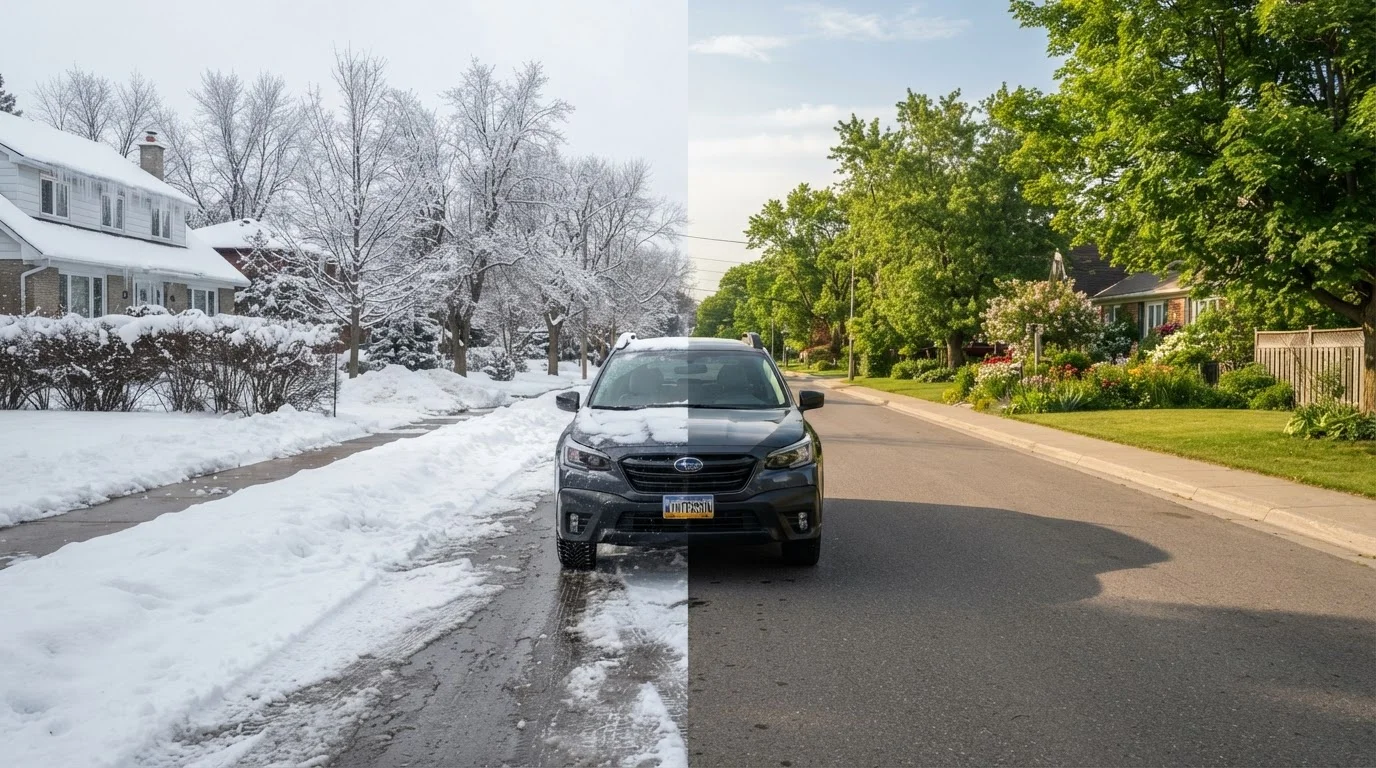
Photo: InsightsBlock.com | Access Information With Ease editorial
Key Takeaways
- Cold temperatures strain batteries, tires, and fluids - address these before the first freeze.
- Summer heat accelerates coolant breakdown and tire pressure changes that can cause blowouts.
- Many seasonal checks take only minutes and can prevent repairs costing hundreds of dollars.
- A few items - like brake inspections - should always be handled by a qualified mechanic.
- Seasonal prep overlaps with good year-round maintenance habits, reinforcing overall vehicle health.
Why Seasonal Preparation Matters More Than You Might Think
Most vehicle breakdowns are preventable. Temperature swings - from below-freezing winters to triple-digit summer heat - don't just create uncomfortable drives; they stress specific mechanical and electrical systems in predictable ways. A battery that performs adequately in September may fail completely in January. Tires inflated correctly at 70°F lose roughly one PSI for every 10°F drop in temperature. These aren't edge cases; they're physics.
This checklist is organized into two focused sets: one for transitioning into winter, one for preparing for summer. Many items overlap with general good maintenance practice - if you're new to routine upkeep, our introductory maintenance guide covers the foundational habits worth building before tackling seasonal prep. For fluid-specific checks referenced throughout this list, our fluids guide explains what healthy levels and condition look like.
Work through each group methodically. Items marked must are non-negotiable for safety and reliability. Items marked should are strongly recommended to avoid foreseeable problems. Nice-to-have items add an extra margin of readiness.
Don't Skip Professional Brake Inspections
The Seasonal Prep Checklists
Use the tools below before starting. Most tasks are straightforward visual checks or simple tests any driver can do in a driveway. Where a task is flagged for a mechanic, don't skip it - some risks, particularly with brakes and suspension, aren't worth self-assessing without training.
Tire pressure gauge
Check and verify inflation levels in all four tires and the spare.
Battery load tester
Assess whether your battery can hold voltage under real-world electrical demand.
Flashlight or headlamp
Inspect under-hood components, tire sidewalls, and undercarriage in low-light conditions.
Tread depth gauge
Measure remaining tire tread depth to determine whether replacement is needed before the season.
Coolant test strip or refractometer
Verify that your antifreeze mixture is rated for local winter temperatures.
Owner's manual
Confirm manufacturer-specified fluid types, capacities, and service intervals for your exact vehicle.
Winter Prep - Battery and Electrical
Winter Prep - Tires and Traction
Winter Prep - Fluids and Visibility
Summer Prep - Cooling System
Summer Prep - Tires and Brakes
Summer Prep - AC and Interior Systems
For those heading into winter, pairing this checklist with updated driving techniques is equally important. Properly maintained vehicles still require adjusted habits on slick roads - see our guide on driving in rain, fog, and snow for the technique side of winter readiness. Before any long seasonal road trip, also run through our pre-trip vehicle check for a final confirmation pass.
High-Mileage Vehicles Need Extra Scrutiny
The content provided on our blog site traverses numerous categories, offering readers valuable and practical information. Readers can use the editorial team’s research and data to gain more insights into their topics of interest. However, they are requested not to treat the articles as conclusive. The website team cannot be held responsible for differences in data or inaccuracies found across other platforms. Please also note that the site might also miss out on various schemes and offers available that the readers may find more beneficial than the ones we cover.