
Routine Maintenance Schedules and What They Cost

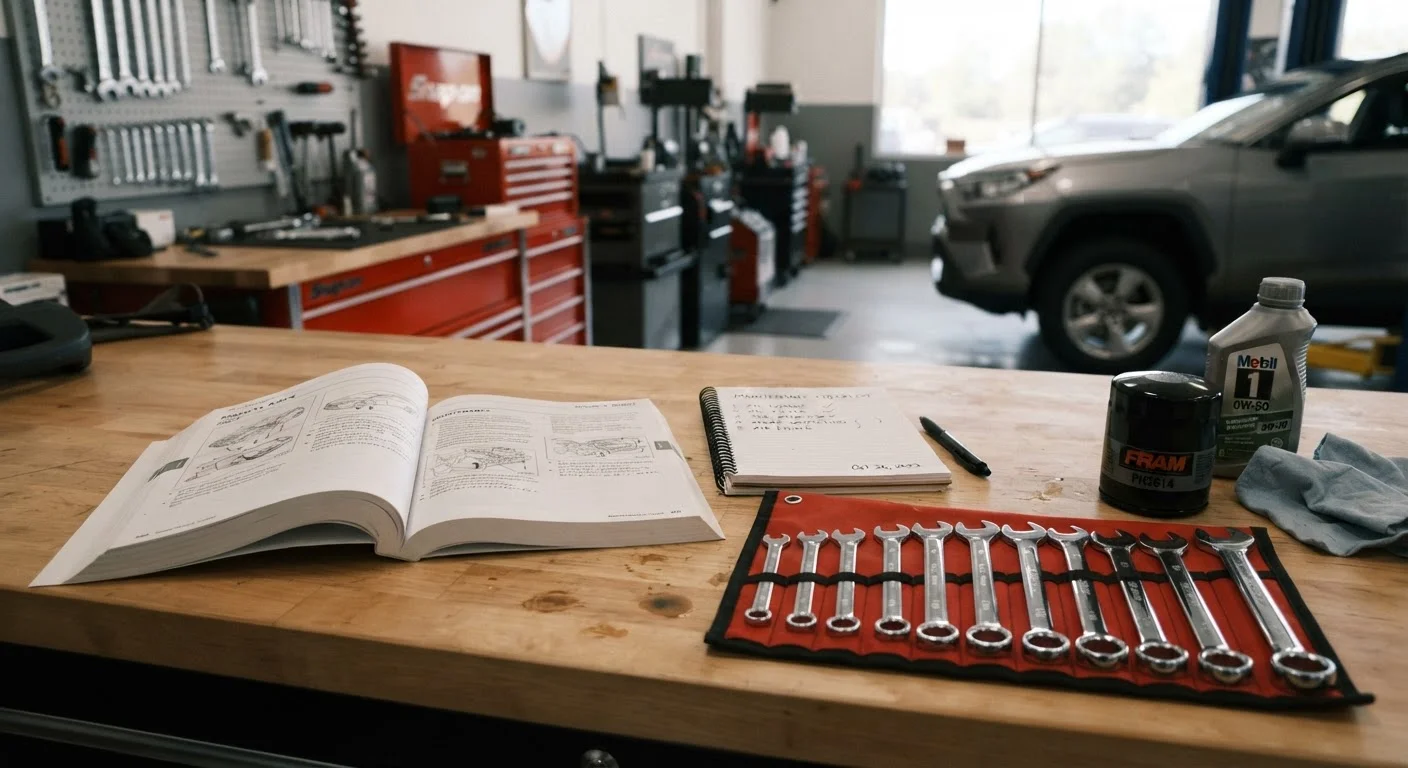
Photo: InsightsBlock.com | Access Information With Ease editorial
Why Maintenance Intervals Matter for Your Budget
Most car problems that turn into expensive repairs started as ignored maintenance items. Understanding when each service is due - and roughly what it costs - lets drivers plan ahead rather than scramble when something fails. This guide covers the most common scheduled services, their typical intervals, and realistic cost ranges based on what drivers generally pay at independent shops and dealerships across the US.
Cost ranges here reflect general market averages for a typical passenger vehicle. Your actual costs will vary based on vehicle make, model, location, and whether you use a dealership or independent shop. Always consult your owner's manual for manufacturer-specific intervals - as explained in how to read your owner's manual maintenance schedule, that document is your most reliable guide.
Common Services, Intervals, and Typical Costs
Oil and Filter Change
Interval: Every 5,000-10,000 miles for conventional oil; 7,500-15,000 miles for full synthetic (check your manual). Typical cost: $35-$120 depending on oil type and vehicle. Skipping this service has serious consequences - what happens inside an engine when you skip oil changes illustrates the cumulative damage that builds when lubrication degrades.
Tire Rotation
Interval: Every 5,000-7,500 miles, often bundled with an oil change. Typical cost: $20-$50 standalone; frequently included free with other services. Regular rotation extends tire life and promotes even wear across all four corners.
Brake Inspection and Service
Interval: Inspect annually; replace pads roughly every 25,000-65,000 miles depending on driving habits and pad material. Typical cost: $150-$300 per axle for pad replacement; rotor resurfacing or replacement adds $200-$400 per axle. Driving style heavily influences brake wear - why brakes wear unevenly explains the mechanical factors at play.
Air Filter (Engine)
Interval: Every 15,000-30,000 miles. Typical cost: $20-$60 for parts and labor; a straightforward DIY task on most vehicles.
Cabin Air Filter
Interval: Every 15,000-25,000 miles. Typical cost: $25-$70 installed. Affects HVAC efficiency and interior air quality.
Spark Plugs
Interval: Conventional plugs every 30,000 miles; iridium or platinum plugs every 60,000-100,000 miles. Typical cost: $100-$300 for a four-cylinder; more for larger or harder-to-access engines.
Coolant Flush
Interval: Every 30,000-50,000 miles or every 2-5 years (varies by manufacturer). Typical cost: $100-$200. Neglected coolant can cause overheating and corrosion. Knowing how to check your coolant and other fluids helps you catch problems between service appointments.
Transmission Fluid
Interval: Every 30,000-60,000 miles for automatic transmissions under normal use; some sealed units are marketed as lifetime-fill (though many mechanics recommend periodic changes). Typical cost: $80-$250.
Battery
Interval: Test annually after three years; typical replacement at 3-5 years. Typical cost: $100-$300 installed, depending on group size and type.
Watch Out for Maintenance Myths
Putting It All Together: Annual Maintenance Budget
A driver averaging 12,000-15,000 miles per year on a mid-size sedan can reasonably expect to spend $500-$900 annually on routine scheduled maintenance under normal conditions. Higher-mileage drivers, those with luxury or European vehicles, or drivers who defer services will typically spend more. EVs skip several of these services entirely but carry their own maintenance costs - see annual car ownership costs by vehicle type for a breakdown across vehicle categories.
Bundling services when intervals coincide - for example, pairing a tire rotation with an oil change - often reduces labor costs. For broader strategies on managing what you spend over the life of a vehicle, keeping car costs in check over the long haul covers proven habits that help. And if you're weighing which tasks to handle yourself, DIY car maintenance vs. taking it to a shop draws a clear line between what's reasonable for most drivers and what requires a professional.
Scheduled maintenance
Preventive services specified by the vehicle manufacturer at defined mileage or time intervals. These are designed to preserve reliability and prevent costly component failures.
Interval
The mileage or time threshold at which a specific maintenance service should be performed. Some intervals are mileage-based, others are calendar-based, and some use whichever comes first.
Coolant flush
A service in which old engine coolant is drained and replaced with fresh fluid. Coolant (also called antifreeze) regulates engine temperature and prevents corrosion inside the cooling system.
Transmission fluid
The lubricating and hydraulic fluid inside a vehicle's transmission. It reduces friction, cools internal components, and enables smooth gear changes. Degraded fluid can shorten transmission life significantly.
Iridium spark plug
A long-life spark plug type made with an iridium-tipped electrode. These plugs typically last 60,000-100,000 miles and are specified by many modern manufacturers in place of conventional copper plugs.
The content provided on our blog site traverses numerous categories, offering readers valuable and practical information. Readers can use the editorial team’s research and data to gain more insights into their topics of interest. However, they are requested not to treat the articles as conclusive. The website team cannot be held responsible for differences in data or inaccuracies found across other platforms. Please also note that the site might also miss out on various schemes and offers available that the readers may find more beneficial than the ones we cover.