
Defensive Driving: What It Actually Means and Why It Works

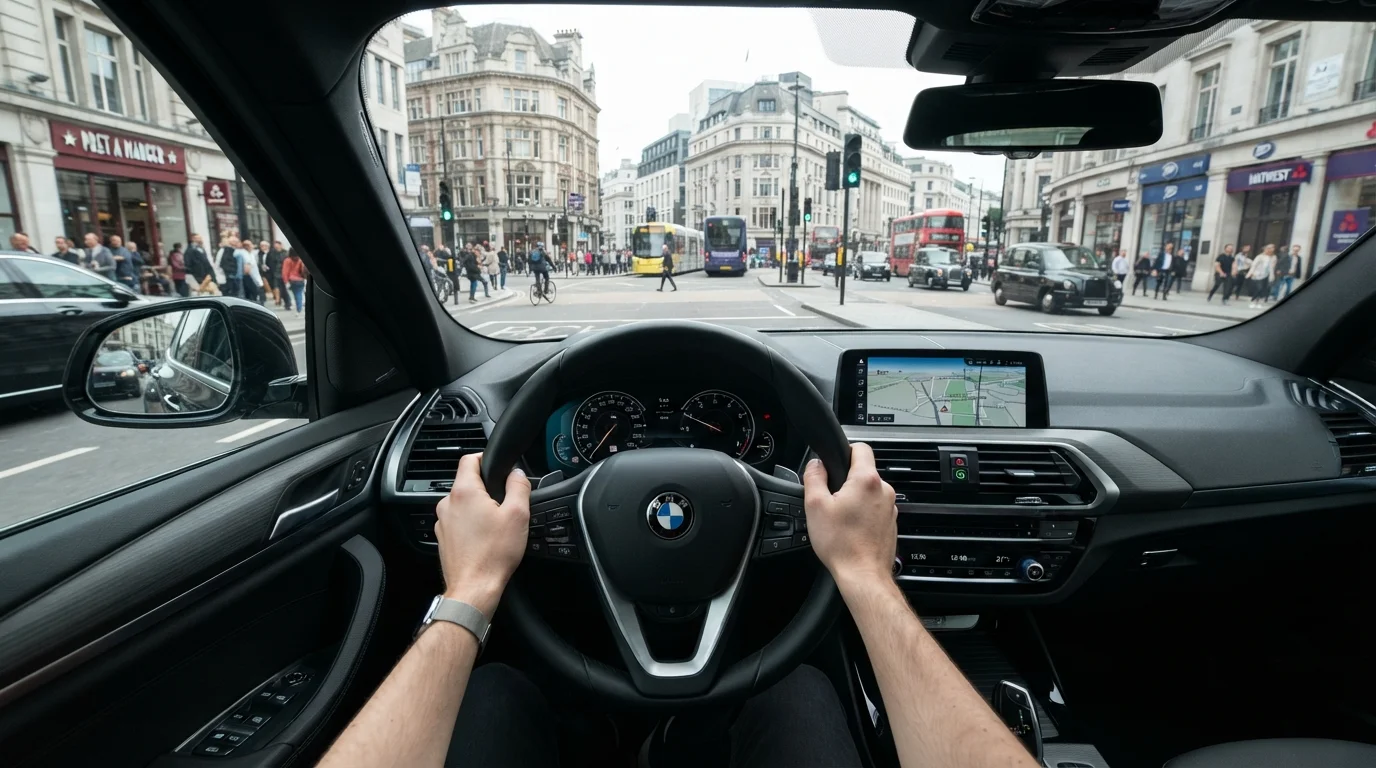
Photo: InsightsBlock.com | Access Information With Ease editorial
Key Takeaways
- Defensive driving means anticipating hazards, not just reacting to them after they appear.
- Maintaining adequate following distance is one of the highest-impact defensive habits a driver can practice.
- Scanning the road ahead 12-15 seconds in advance gives drivers critical time to respond to developing risks.
- Defensive driving reduces collision exposure even when other motorists behave unpredictably or recklessly.
- The mindset applies equally on city streets, highways, and in adverse weather conditions.
Beyond Rule-Following: What Defensive Driving Really Is
Most drivers understand traffic law well enough. They stop at red lights, signal lane changes, and stay within posted speed limits. Yet the majority of crashes are not caused by drivers who ignored the rules - they happen because someone failed to anticipate what was coming next.
Defensive driving fills that gap. It is the practice of operating a vehicle with continuous awareness of the surrounding environment, an expectation that other road users may behave unpredictably, and the space and time to respond before a situation escalates into a crash. It is equal parts skill and mindset.
The National Safety Council, one of the leading authorities on traffic safety in the US, describes the defensive driver as someone who commits to driving in ways that reduce risk regardless of what others around them do. That framing matters: defensive driving does not assume perfect conditions or perfectly behaved drivers. It assumes the opposite.
“The goal of defensive driving is to reduce risk by anticipating dangerous situations despite adverse conditions or the mistakes of others.”
— National Safety Council, Leading US nonprofit authority on safety education and injury prevention
The Core Principles That Make It Work
Defensive driving is built on a handful of interrelated habits, each reinforcing the others.
Scan Far Ahead
Traffic safety guidance commonly recommends looking 12-15 seconds ahead - roughly a city block at urban speeds, or a quarter-mile on the highway. This gives the brain time to interpret what it sees and begin adjusting course before a hazard is directly in front of the vehicle. Most drivers look only a few car-lengths ahead, which compresses reaction time dangerously.
Maintain a Buffer of Space
The three-second following distance rule is one of the most well-supported habits in defensive driving. Leave at least three seconds of space between your vehicle and the one ahead. In wet, foggy, or icy conditions - the kind covered in detail in our guide to driving in rain, fog, and snow - that gap should expand significantly.
Manage Speed to Conditions
Posted speed limits represent maximum legal speeds under ideal conditions, not recommended speeds for every situation. Defensive drivers adjust their speed based on visibility, traffic density, road surface, and weather - not just what the sign says.
Expect the Unexpected
This is the mindset component. Defensive drivers assume a pedestrian might step off the curb, a car might run a yellow light, or a driver in the next lane may not have checked their mirrors. That assumption keeps attention active rather than passive.
Practice the Three-Second Rule Daily
How Defensive Driving Differs From Aggressive or Passive Driving
Defensive driving occupies a deliberate middle ground. Passive driving - drifting along without actively monitoring conditions - creates vulnerability because the driver is always reacting rather than anticipating. Aggressive driving, characterized by tailgating, rapid lane changes, and speed, creates entirely different risks by reducing the margin available to correct mistakes.
It's worth distinguishing defensive driving from road rage as well. While defensive driving can include assertive maneuvers - such as confidently merging or maintaining your lane position - it never involves emotional escalation or retaliation. Our article on road rage vs. assertive driving explores exactly where that line falls.
On high-speed roads, the defensive principles become even more consequential. Highway driving safety demands extended scanning distances, greater following gaps, and careful mirror management - all applications of the same core framework.
94%
Crashes with human choice as a factor
The National Highway Traffic Safety Administration (NHTSA) has attributed approximately 94% of serious crashes to human choices or errors, underscoring why driver behavior - not road design alone - is the central safety variable.
3 sec
Minimum recommended following distance
Traffic safety organizations including the National Safety Council recommend a minimum three-second following gap under normal conditions, with greater distances in adverse weather or at highway speeds.
12-15 sec
Recommended forward scanning distance
Driver training programs based on Smith System principles recommend scanning 12-15 seconds ahead, giving drivers time to perceive and respond to developing hazards before they become emergencies.
Who Benefits - and When It Matters Most
Defensive driving is not only for new or inexperienced motorists. Risk profiles shift throughout a driving lifetime, and different life stages present different challenges - a topic our team explores in depth in the article on driving at different life stages.
Fatigue is another dimension that intersects directly with defensive capability. When a driver is drowsy, hazard perception degrades in ways that closely parallel alcohol impairment - reducing the very cognitive resource that defensive driving depends on most. Recognizing these moments matters; see our coverage of drowsy driving warning signs for practical guidance.
Modern vehicles increasingly offer technology that supports defensive principles - lane-keep assist, automatic emergency braking, blind-spot monitoring - but these systems augment human judgment rather than replace it. Understanding how your vehicle's safety architecture works, as covered in our piece on vehicle safety features, helps drivers use these tools effectively rather than becoming over-reliant on them.
Ultimately, defensive driving is a discipline that pays dividends every time a driver sits behind the wheel - on familiar routes and unfamiliar roads alike.
Frequently Asked Questions
The content provided on our blog site traverses numerous categories, offering readers valuable and practical information. Readers can use the editorial team’s research and data to gain more insights into their topics of interest. However, they are requested not to treat the articles as conclusive. The website team cannot be held responsible for differences in data or inaccuracies found across other platforms. Please also note that the site might also miss out on various schemes and offers available that the readers may find more beneficial than the ones we cover.