
Lawn Fertilizer Labels Decoded: N-P-K Ratios and When to Apply Each

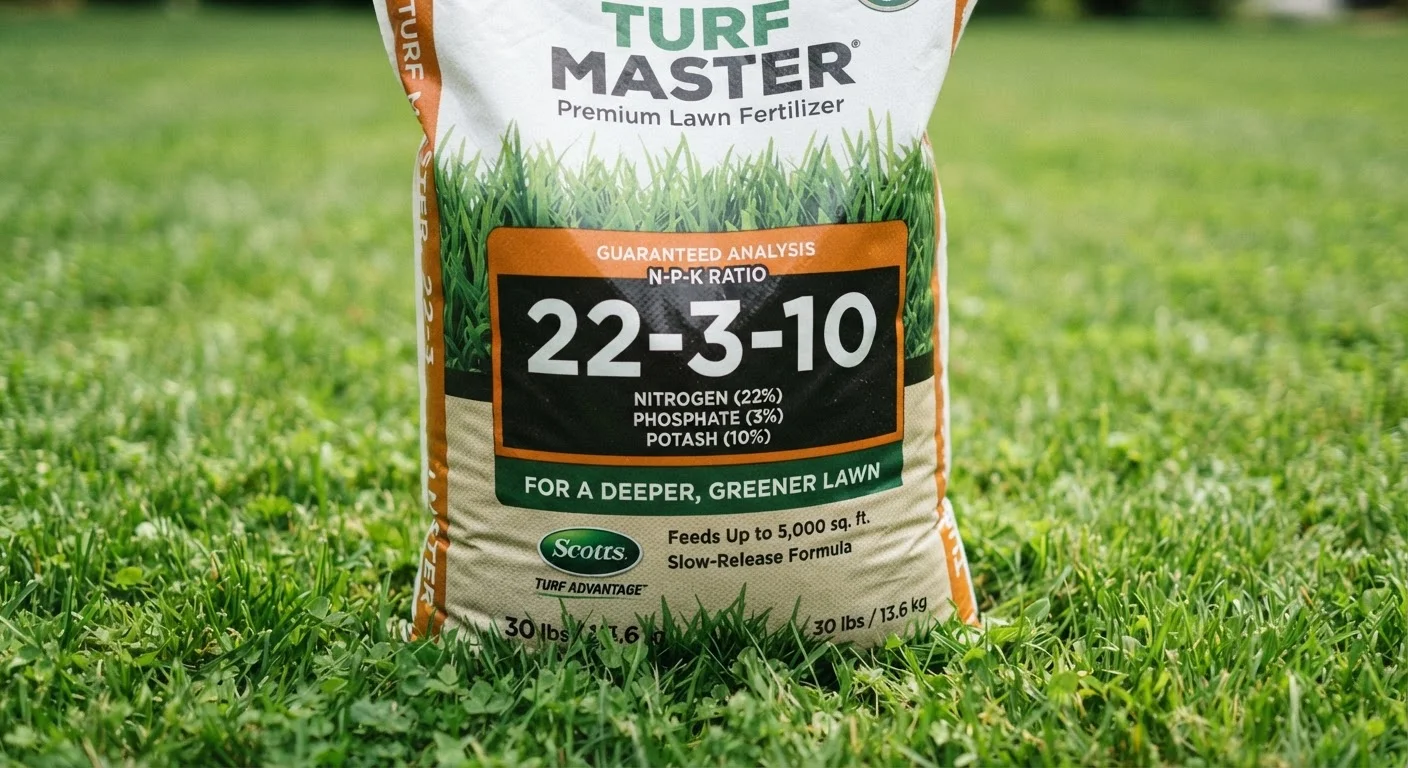
Photo: InsightsBlock.com | Access Information With Ease editorial
What Those Three Numbers Actually Mean
Pick up any bag of lawn fertilizer and you'll see three numbers separated by hyphens - something like 24-6-12. This sequence is called the N-P-K ratio, and it appears on every fertilizer sold in the United States by law as part of the Guaranteed Analysis panel.
Each number represents the percentage by weight of that nutrient in the bag:
- N (Nitrogen): Drives leaf and blade growth; responsible for the deep green color most homeowners want.
- P (Phosphorus): Supports root development, seed germination, and energy transfer within the plant.
- K (Potassium): Strengthens the grass plant's overall resilience - helping it handle drought, cold, disease pressure, and foot traffic.
A bag labeled 24-6-12 contains 24% nitrogen, 6% phosphorus, and 12% potassium by weight. The remaining percentage is filler material (called carrier) that gives the granules their spreadable texture.
Understanding labels is a skill that carries over to other contexts. If you're already comfortable reading a Nutrition Facts label for food, you'll recognize the same principle: a guaranteed panel disclosing exact amounts of key nutrients per defined unit.
What Each Nutrient Does - and When Your Lawn Needs It
Nitrogen (N) - The Growth Driver
Nitrogen is the nutrient most directly tied to the lush, green appearance of a lawn. It fuels chlorophyll production and rapid shoot growth. Because it's used quickly and can leach through soil, nitrogen often needs to be reapplied throughout the growing season.
- Cool-season grasses (fescue, bluegrass, ryegrass): Apply nitrogen-heavy fertilizers in early spring and fall. Avoid heavy summer applications, which can stress heat-stressed turf.
- Warm-season grasses (Bermuda, zoysia, St. Augustine): Fertilize with nitrogen from late spring through summer. Stop applications 6-8 weeks before the first expected frost.
Phosphorus (P) - The Root Builder
Phosphorus is critical when establishing a new lawn from seed or sod. For mature, established lawns, phosphorus requirements are often already met by existing soil levels - which is why many maintenance fertilizers carry a middle number of zero (e.g., 28-0-6). Excess phosphorus can run off into waterways and cause environmental harm, so a soil test before adding it is strongly recommended.
Also note that soil pH directly affects how well phosphorus is absorbed - even when it's present in adequate amounts. Our companion piece on soil pH and nutrient availability explains the connection in plain language.
Potassium (K) - The Stress Shield
Potassium doesn't make grass grow faster or greener on its own, but it fortifies cell walls and supports water regulation within the plant. Lawns heading into winter or summer dormancy benefit from a potassium boost to improve cold and heat hardiness. Fall applications for cool-season grasses are a widely recommended practice.
Choosing the Right Ratio for Your Situation
There is no single fertilizer ratio that fits every lawn. Your choice should be guided by three factors: grass type, time of year, and your soil's existing nutrient levels.
| Situation | What to Look For | Example Ratio |
|---|---|---|
| New seeding or sodding | Higher phosphorus (middle number) | 10-18-6 |
| Spring green-up | Higher nitrogen, moderate potassium | 30-0-6 |
| Fall winterizing | Lower nitrogen, higher potassium | 10-0-20 |
| General maintenance | Balanced with emphasis on nitrogen | 20-5-10 |
Pair your fertilizer choice with proper watering habits - timing and volume both affect how well nutrients reach grass roots. Our guide on lawn watering schedules explains how to coordinate irrigation with fertilization for the best results.
When in doubt, a soil test from your local cooperative extension office removes the guesswork entirely. It's one of the most cost-effective steps you can take before purchasing fertilizer.
The content provided on our blog site traverses numerous categories, offering readers valuable and practical information. Readers can use the editorial team’s research and data to gain more insights into their topics of interest. However, they are requested not to treat the articles as conclusive. The website team cannot be held responsible for differences in data or inaccuracies found across other platforms. Please also note that the site might also miss out on various schemes and offers available that the readers may find more beneficial than the ones we cover.