
Cat Health from Kittenhood to Old Age

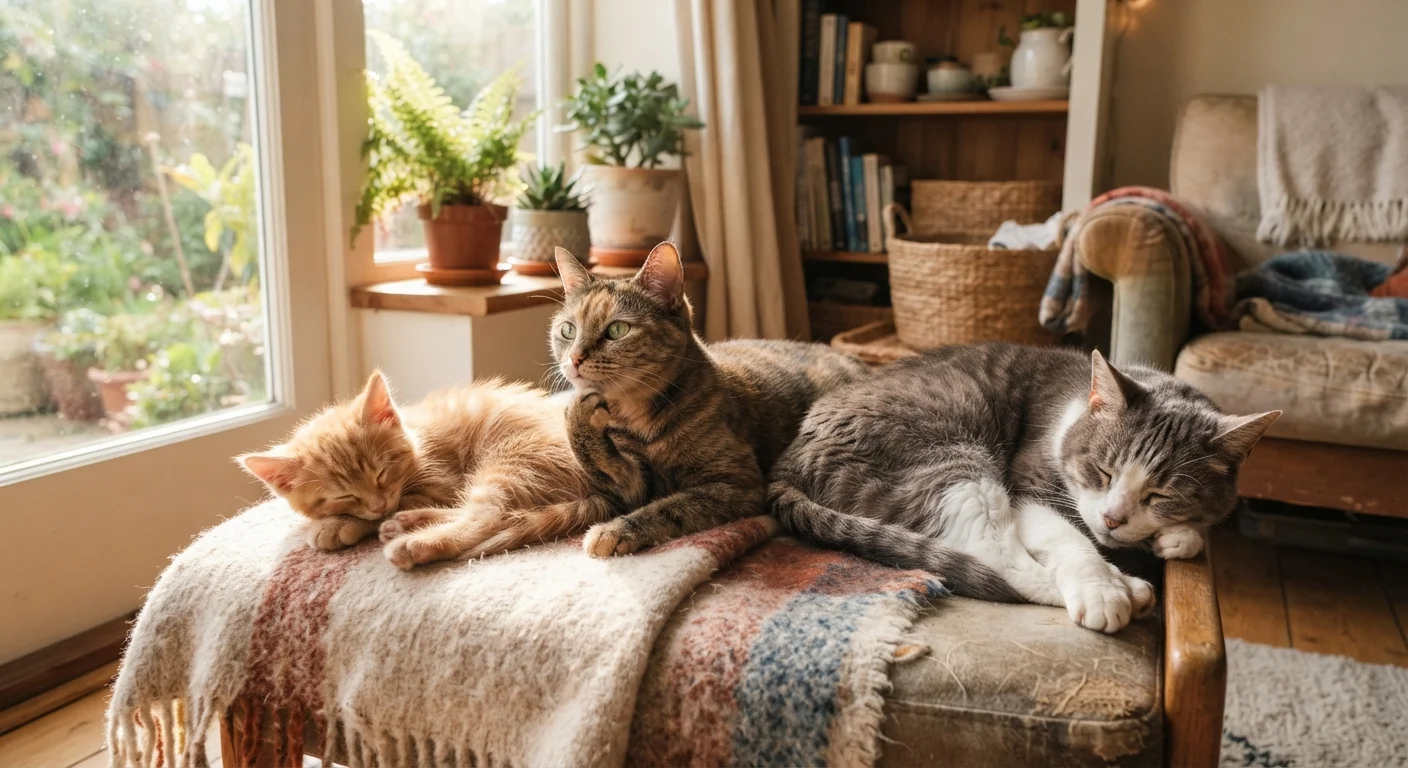
Photo: InsightsBlock.com | Access Information With Ease editorial
Key Takeaways
- Cats have distinct nutritional and medical needs at each life stage: kitten, adult, and senior.
- Routine veterinary visits are essential even when your cat appears healthy.
- Early socialization and environmental enrichment support long-term behavioral health.
- Senior cats benefit from more frequent checkups and adjusted nutrition.
- Knowing common warning signs helps owners seek timely veterinary care.
The Kitten Stage: Building a Healthy Foundation
The first months of a cat's life are among the most consequential for long-term health. Kittens undergo rapid physical and neurological development, making early care decisions particularly important. If you are welcoming a new kitten, our guide to bringing a cat home for the first time covers the essentials of safe setup and adjustment.
Between two and seven weeks of age, kittens enter a critical socialization window. Gentle, positive handling and exposure to varied sounds and environments during this period shapes how confident and adaptable a cat will be as an adult. Kittens adopted after eight weeks benefit most from calm, consistent interactions with their new family.
Core veterinary milestones in the first year include an initial wellness exam, a series of combination vaccines starting around six to eight weeks, and spay or neuter surgery - typically recommended between four and six months, though your veterinarian will advise based on your kitten's individual development. For a clear breakdown of feline vaccine timing, see our overview of the cat vaccination schedule.
Schedule your kitten's first veterinary visit within the first week of bringing them home, even if they appear healthy - a baseline exam establishes a health record and catches congenital issues early.
When transitioning your cat to a new food - whether by brand or life stage - do so gradually over seven to ten days, mixing increasing proportions of the new food with the old.
Nutrition at Every Life Stage
Cats are obligate carnivores, meaning they require nutrients - including taurine, arachidonic acid, and preformed vitamin A - found only in animal tissue. A diet deficient in these compounds can cause serious and irreversible health problems, so feeding a complete and balanced commercial food formulated for cats is strongly recommended by veterinarians.
Life-stage labeling matters. Kitten formulas provide higher protein, fat, and calorie density to support growth. Adult maintenance foods are calibrated for stable, healthy weight. Senior formulas often reduce certain minerals and adjust protein levels to support aging kidneys and joints, though individual needs vary - your vet is the right person to guide these transitions.
Fresh water is consistently underestimated. Cats evolved to obtain much of their hydration from prey, so many are naturally low-thirst drinkers. Wet food can support hydration, while water fountains may encourage drinking in cats who ignore still bowls. Chronic low water intake is associated with urinary tract issues, which are among the most common feline health problems.
~70%
Cats affected by dental disease by age 3
Veterinary dental specialists estimate the majority of cats show signs of periodontal disease by age three, making dental care a core preventive priority.
10-11
Age cats are considered senior
Most veterinary guidelines classify cats as seniors around ages 10-11, at which point biannual wellness exams are generally recommended.
1 in 5
Cats estimated to have chronic kidney disease
Chronic kidney disease is among the most prevalent conditions in older cats, underscoring the value of routine bloodwork in senior wellness care.
Preventive Care and Routine Veterinary Visits
Annual wellness exams allow veterinarians to catch developing conditions - dental disease, early kidney changes, weight shifts - before they become serious. Because cats instinctively mask signs of pain or illness, clinical examination often reveals problems that owners haven't yet observed at home.
Parasite prevention is year-round in most US climates. Indoor cats are not fully protected: fleas and intestinal parasites can enter homes on clothing, shoes, or other pets. Heartworm, while less common in cats than dogs, can be fatal and has no approved treatment in cats - making prevention the only reliable strategy.
Dental health is frequently overlooked. Periodontal disease affects the majority of cats by age three, according to veterinary dental specialists. Tooth brushing, dental diets, and professional cleanings under anesthesia are all part of a comprehensive approach. Ask your veterinarian at each visit to evaluate your cat's teeth and gums.
Behavior, Enrichment, and Mental Health
A cat's behavior is a direct reflection of its physical and emotional wellbeing. Unwanted behaviors - aggression, excessive vocalization, eliminating outside the litter box - often signal stress, medical discomfort, or unmet needs rather than simple defiance. Addressing the root cause is more effective than behavioral correction alone.
Environmental enrichment is not optional for indoor cats. Vertical space (cat trees, shelving), opportunities to scratch, and interactive play sessions that mimic hunting sequences all reduce stress and boredom. Puzzle feeders can extend mealtime and satisfy a cat's natural problem-solving instincts.
Multi-cat households require thoughtful resource management: one litter box per cat plus one extra is the commonly cited guideline, and feeding stations, water sources, and resting spots should be distributed throughout the home to reduce competition and tension.
Litter Box Changes Are a Health Signal
The Senior Years: Recognizing Change and Adapting Care
Cats are generally considered seniors around age ten to eleven. At this stage, the body changes in ways that require adjusted care rather than the same routines carried forward from adulthood. Our detailed resource on keeping a senior cat comfortable and healthy explores these changes in depth.
Biannual veterinary visits - twice yearly rather than once - are recommended for senior cats. Bloodwork and urinalysis become standard tools for tracking kidney function, thyroid levels, and blood glucose, since hyperthyroidism, chronic kidney disease, and diabetes are among the most common diagnoses in older cats.
Mobility changes are easy to miss gradually. A senior cat that stops jumping to a favorite spot, hesitates at stairs, or grooms less thoroughly may be experiencing arthritis or other joint discomfort. Environmental adaptations - lower-sided litter boxes, ramps, softer bedding - can meaningfully improve quality of life.
When to Call Your Veterinarian
Cats are skilled at concealing illness, which means owners must stay attuned to subtle changes. The following signs warrant prompt veterinary attention: sudden changes in appetite or water intake, unexplained weight loss or gain, changes in litter box habits (frequency, consistency, or straining), vomiting more than occasionally, visible difficulty breathing, or any sudden behavioral shift.
Urinary obstruction - most common in male cats - is a life-threatening emergency. A cat that is straining in the litter box without producing urine, or crying out in apparent pain, needs emergency veterinary care immediately.
This article provides general health information and is not a substitute for individualized advice from a licensed veterinarian. Every cat is different, and your veterinarian is the most qualified person to evaluate your cat's specific needs, interpret symptoms, and recommend appropriate care. If you are ever uncertain, err on the side of calling your vet - early intervention consistently leads to better outcomes.
This article is for general informational purposes only and does not constitute veterinary or medical advice. Always consult a licensed veterinarian for guidance specific to your cat's health needs.
The content provided on our blog site traverses numerous categories, offering readers valuable and practical information. Readers can use the editorial team’s research and data to gain more insights into their topics of interest. However, they are requested not to treat the articles as conclusive. The website team cannot be held responsible for differences in data or inaccuracies found across other platforms. Please also note that the site might also miss out on various schemes and offers available that the readers may find more beneficial than the ones we cover.