
The Cat Vaccination Schedule Explained

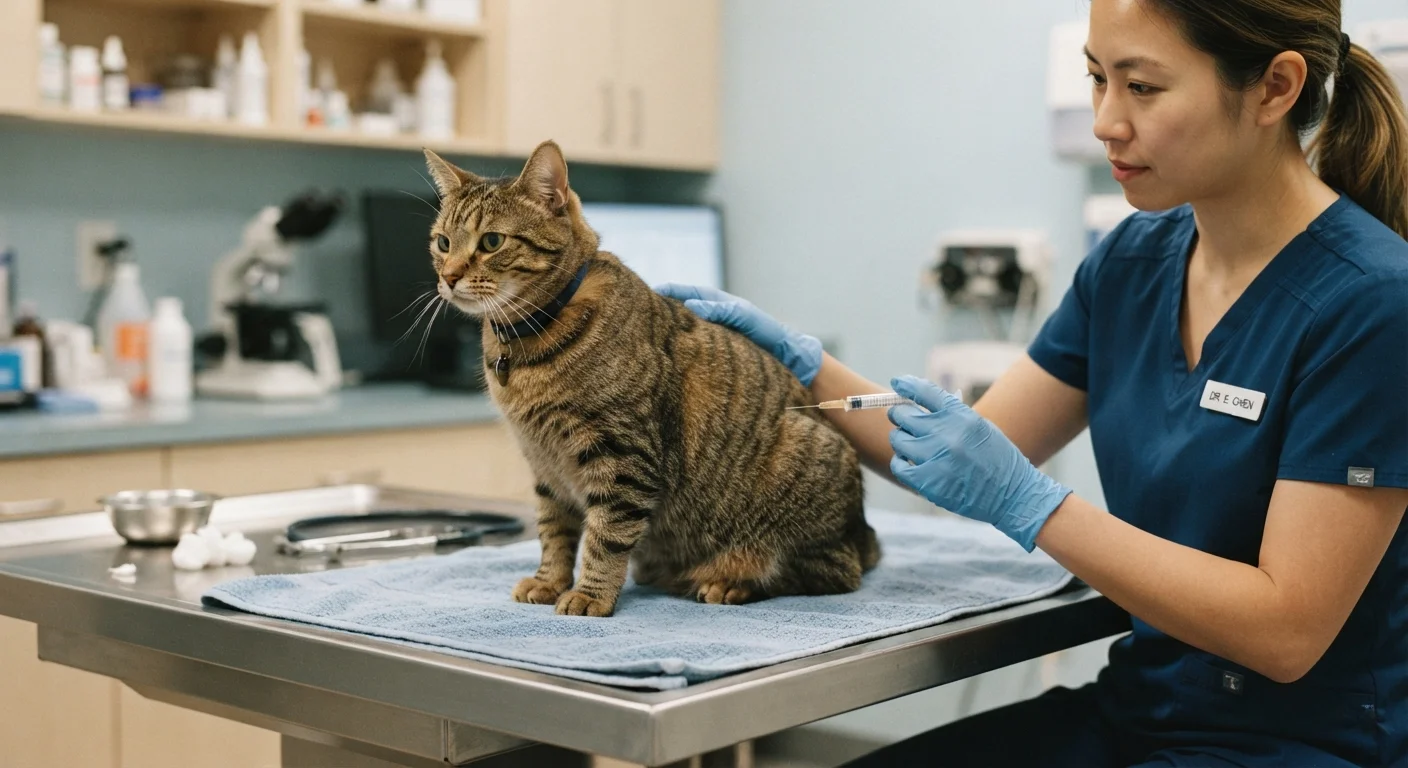
Photo: InsightsBlock.com | Access Information With Ease editorial
Core vs. Non-Core: Understanding the Difference
Cat vaccines fall into two categories: core and non-core. Core vaccines are recommended for virtually every cat in the United States, regardless of whether they live indoors, outdoors, or somewhere in between. Non-core vaccines are given selectively based on individual risk factors your veterinarian evaluates.
Core vaccine
A vaccine recommended for all cats regardless of lifestyle or environment, because the disease it protects against is widespread, severe, or transmissible to humans. Core vaccines are considered essential by major veterinary organizations.
Non-core vaccine
A vaccine recommended selectively based on a cat's individual risk factors - such as outdoor access, geographic location, or contact with other animals. Your veterinarian evaluates which non-core vaccines are appropriate.
Booster
A follow-up dose of a vaccine given after the initial series to maintain a cat's immune protection over time. Some boosters are given annually; others are recommended every three years.
FVRCP
A combination vaccine protecting against three common feline diseases: feline viral rhinotracheitis (herpesvirus), calicivirus, and panleukopenia. It is a core vaccine for virtually all cats.
Feline leukemia virus (FeLV)
A viral infection spread between cats through close contact that can suppress the immune system and lead to serious illness. Vaccination is recommended for kittens and cats with outdoor or multi-cat exposure.
Titer test
A blood test that measures the level of antibodies in a cat's bloodstream to determine whether existing immunity from prior vaccination remains adequate. Sometimes used to guide booster decisions.
The two core vaccines you'll encounter most often are:
- FVRCP - a combination vaccine protecting against feline herpesvirus (rhinotracheitis), calicivirus, and panleukopenia (feline distemper)
- Rabies - required by law in many US states and essential for any cat that could have contact with wildlife or other animals
Non-core vaccines include protection against feline leukemia virus (FeLV), feline immunodeficiency virus (FIV), Chlamydophila felis, and Bordetella bronchiseptica. FeLV vaccination is recommended for all kittens and remains important for adult cats with outdoor access or multi-cat household exposure.
For a broader look at feline preventive care across life stages, see Cat Health from Kittenhood to Old Age.
The Kitten Vaccination Timeline
Kittens receive a series of vaccines starting as early as 6-8 weeks of age. The series is spaced several weeks apart because maternal antibodies - passed from the mother - gradually wane and can interfere with vaccine effectiveness early on. Giving multiple doses ensures protection kicks in as that maternal immunity fades.
| First kitten vaccines | Typically given at 6-8 weeks of age (American Animal Hospital Association (AAHA) Feline Vaccination Guidelines) |
| Core vaccine (combination) | FVRCP - recommended for all cats (AAHA/AAFP Feline Vaccination Guidelines) |
| Rabies vaccine | Core; legally required in many US states (American Association of Feline Practitioners (AAFP)) |
| FVRCP booster frequency | Every 3 years after initial adult booster (for most cats) (AAFP Feline Vaccination Advisory Panel Report) |
| FeLV recommendation | Recommended for all kittens; ongoing for at-risk adults (AAFP Guidelines) |
| Indoor-only cats | Still require core vaccines; some non-core vaccines may not apply (AAHA/AAFP joint guidelines) |
A typical kitten schedule looks like this:
| Age | Vaccines Typically Given |
|---|---|
| 6-8 weeks | FVRCP (first dose), FeLV (first dose) |
| 10-12 weeks | FVRCP (second dose), FeLV (second dose), Rabies (timing varies by product) |
| 14-16 weeks | FVRCP (third dose), Rabies (if not given earlier) |
| 12-16 months | FVRCP booster, Rabies booster, FeLV as appropriate |
The booster given around 12-16 months after the kitten series is particularly important - it reinforces immunity before the longer adult intervals begin. Your veterinarian may also recommend non-core vaccines during kitten visits based on your cat's environment and risk exposure.
Adult and Senior Cat Booster Schedules
Once a cat completes the kitten series and the one-year booster, the schedule shifts to longer intervals. FVRCP is typically recommended every three years for healthy adult cats. Rabies boosters follow either an annual or three-year schedule depending on the vaccine product used and local legal requirements.
~90%
Reduction in feline panleukopenia fatality risk with vaccination
Panleukopenia (feline distemper) carries a high mortality rate in unvaccinated cats; the FVRCP vaccine is considered highly effective according to veterinary consensus.
3 years
Recommended FVRCP booster interval for adult cats
Following the initial adult booster, most cats on a standard schedule receive FVRCP every three years per AAFP and AAHA guidelines.
~50%
Estimated share of owned US cats that are indoor-only
Even strictly indoor cats face some disease exposure risk and require core vaccines, though non-core vaccine needs vary by lifestyle.
FeLV boosters are generally continued annually for cats with ongoing outdoor exposure or contact with other cats of unknown status. For indoor-only adults with low exposure risk, your vet may advise discontinuing FeLV vaccination after the initial kitten series and adult booster - this is an individualized decision.
Senior cats deserve particular attention. Aging can affect immune function, and some older cats may need schedule adjustments based on overall health, kidney function, or other conditions. See Keeping a Senior Cat Comfortable and Healthy for more on managing feline health in the later years.
Some owners ask about titer testing as an alternative to automatic boosters. Titer tests measure existing antibody levels and can inform the decision to delay a booster in some cases, but they are not universally recommended as a replacement for established schedules. Discuss this option with your veterinarian.
This Article Is General Health Information
Indoor Cats Still Need Core Vaccines
Planning for your cat's annual checkup? The Annual Vet Visit Checklist for Cat Owners can help you get the most out of every wellness appointment.
This article provides general health information for educational purposes only and is not a substitute for professional veterinary advice. Consult a licensed veterinarian to determine the vaccination schedule that is right for your individual cat.
The content provided on our blog site traverses numerous categories, offering readers valuable and practical information. Readers can use the editorial team’s research and data to gain more insights into their topics of interest. However, they are requested not to treat the articles as conclusive. The website team cannot be held responsible for differences in data or inaccuracies found across other platforms. Please also note that the site might also miss out on various schemes and offers available that the readers may find more beneficial than the ones we cover.