
Cat Myths That Veterinarians Wish Would Go Away

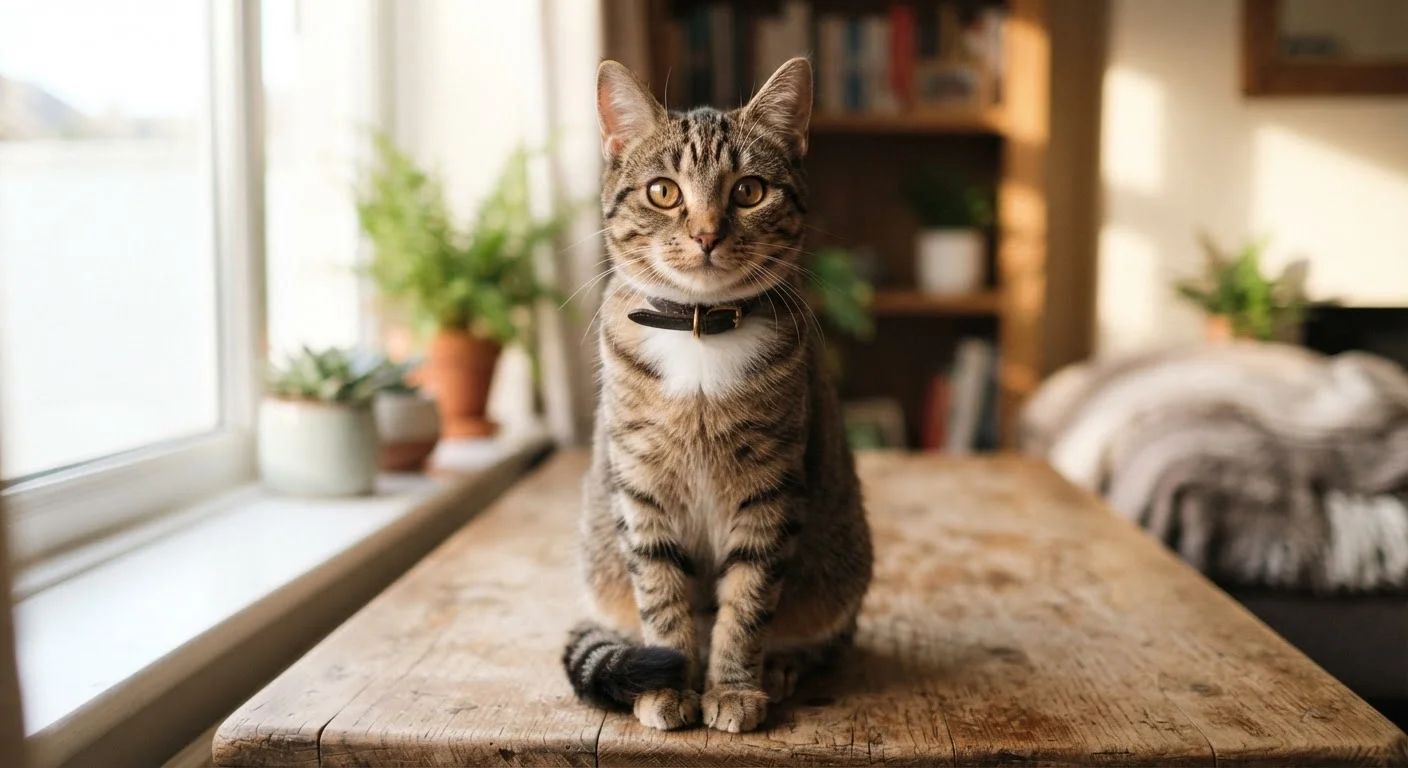
Photo: InsightsBlock.com | Access Information With Ease editorial
Key Takeaways
- Cats can be seriously injured in falls despite a natural righting reflex that helps them orient mid-air.
- Most adult cats are lactose intolerant, making cow's milk an unhealthy treat rather than a safe one.
- Purring does not always signal contentment - cats also purr when anxious, injured, or unwell.
- Indoor cats still need annual veterinary check-ups and are not automatically protected from all health risks.
- A cat rubbing against you communicates social bonding, not dominance or ownership of territory.
Why Cat Myths Persist - and Why They Matter
Cats have shared human homes for thousands of years, yet widespread misunderstandings about their behavior, diet, and biology remain common. Some myths are harmless curiosities, but others lead owners to skip veterinary care, offer dangerous foods, or misread signs that a cat is in distress. Correcting these misconceptions is a practical act of care, not simply trivia.
Misinformation travels quickly through social media and well-meaning word of mouth. That's why veterinarians continue to encounter the same myths in consultation rooms year after year. Understanding what the evidence actually shows allows owners to make confident decisions - from daily feeding choices to recognizing when something is wrong. If you're also curious about how similar myths affect other pets, our overview of harmful rabbit feeding myths offers a useful comparison.
Myth
Cats always land on their feet, so falls aren't dangerous.
Fact
Cats have a righting reflex that helps them orient mid-air, but it does not prevent injury - especially from low heights where there isn't enough time to rotate.
The feline righting reflex is a genuine physiological ability: cats can twist their bodies to orient feet-downward during a fall. However, landing on their feet does not mean landing safely. Falls from even a few feet can cause fractured jaws, broken limbs, and internal injuries. Paradoxically, very high falls (above five or six stories) can sometimes reduce injury rates as cats spread their bodies to slow descent - but this does not make high falls safe. Any fall from a significant height warrants a prompt veterinary assessment, regardless of how steady the cat appears afterward.
Myth
Milk is a natural and healthy treat for cats.
Fact
Most adult cats are lactose intolerant. Cow's milk commonly causes digestive upset, including diarrhea and stomach cramping.
Kittens produce lactase, the enzyme needed to digest lactose in their mother's milk. After weaning, lactase production typically declines significantly. When adult cats consume cow's milk - which contains more lactose than cat milk - they often cannot digest it properly. The result is gastrointestinal distress. Commercially available 'cat milk' products are lactose-reduced and formulated specifically for cats, but even these should be treated as an occasional supplement, not a dietary staple. Fresh water remains the only essential beverage for a healthy adult cat.
Myth
If a cat is purring, it must be happy and comfortable.
Fact
Cats purr for a range of reasons including anxiety, pain, illness, and self-soothing - not only contentment.
Purring is one of the most misread feline behaviors. While cats do purr when relaxed and content, the same vocalization occurs when they are frightened, giving birth, injured, or approaching death. Researchers believe purring may serve a self-regulatory function - the vibration frequencies involved (roughly 25-150 Hz) are associated with promoting bone density and tissue healing in some studies, though research is ongoing. The key for owners is context: a cat purring while curled on your lap is likely comfortable, but a cat purring while crouched and tense in a veterinary carrier may be communicating stress rather than ease.
Myth
Indoor cats don't need annual veterinary visits because they aren't exposed to risks.
Fact
Indoor cats face health risks including obesity, dental disease, parasites, and age-related illness that require regular professional monitoring.
The assumption that a cat living entirely indoors is insulated from health problems leads many owners to skip routine care for years. In reality, indoor cats are highly susceptible to obesity (often linked to lower activity levels and free-feeding), periodontal disease, urinary tract conditions, and chronic illnesses such as hyperthyroidism and kidney disease. Some parasites - including certain intestinal worms and fleas - can enter a home on clothing or shoes. Annual wellness exams allow veterinarians to detect these conditions early, when intervention is most effective. Cats are also skilled at masking discomfort, meaning clinical signs may only become obvious once a condition has progressed.
Myth
Cats are solitary animals that prefer to be left alone.
Fact
Cats are socially flexible. Many form strong attachments to their owners and other animals, and some experience genuine distress when left isolated for long periods.
The 'aloof cat' stereotype persists partly because cats show affection differently than dogs. A cat slowly blinking, sitting nearby, or bunting (rubbing its head against you) is engaging in bonding behavior - it's simply more subtle. Research in animal behavior has documented secure attachment patterns in cats similar to those observed in dogs and human infants. That said, cats do vary widely in their social needs based on genetics, early socialization, and individual personality. The important takeaway is that assuming a cat never needs social interaction can lead owners to underestimate signs of loneliness or under-stimulation.
Myth
A dry nose means a cat is sick; a wet nose means it's healthy.
Fact
Nose moisture in cats is not a reliable health indicator. A dry nose can be perfectly normal, and a runny nose warrants more attention than a simply dry one.
This myth, shared widely about dogs and cats alike, leads owners to perform unnecessary 'nose checks' as a proxy for wellness. In reality, a cat's nose varies in moisture throughout the day based on activity level, temperature, humidity, and recent grooming. A persistently runny nose, nasal discharge with color, or sneezing alongside other symptoms is more meaningful than dryness alone. Owners concerned about their cat's health should focus on behavioral changes, appetite shifts, weight changes, and elimination habits - far more informative signals than nose texture.
Reading Your Cat More Accurately
Separating myth from fact isn't just about avoiding harm - it also improves the relationship between owner and cat. When you understand that a slow blink is a sign of trust, or that hiding can signal stress rather than independence, you become a more attuned caregiver. Our guide to what your cat's body language is actually telling you goes deeper into feline communication cues.
Cats mask discomfort and illness instinctively, which means subtle behavioral changes are often the earliest warning signs. Learning to recognize them - whether it's a shift in litter box habits, unusual hiding, or a change in vocalization - requires an accurate baseline understanding of normal feline behavior. For a focused look at anxiety indicators, see our article on signs of stress in cats that owners often overlook.
Don't Skip Vet Visits for Indoor Cats
Annual wellness exams remain the single most reliable way to catch problems before they escalate. No amount of home observation fully replaces a veterinarian's assessment, and the myth that indoor cats don't need regular check-ups is one of the most consequential beliefs this article addresses.
This article is for general informational purposes only and does not constitute veterinary or medical advice. Always consult a licensed veterinarian for questions about your cat's individual health needs.
The content provided on our blog site traverses numerous categories, offering readers valuable and practical information. Readers can use the editorial team’s research and data to gain more insights into their topics of interest. However, they are requested not to treat the articles as conclusive. The website team cannot be held responsible for differences in data or inaccuracies found across other platforms. Please also note that the site might also miss out on various schemes and offers available that the readers may find more beneficial than the ones we cover.